


























Key Points
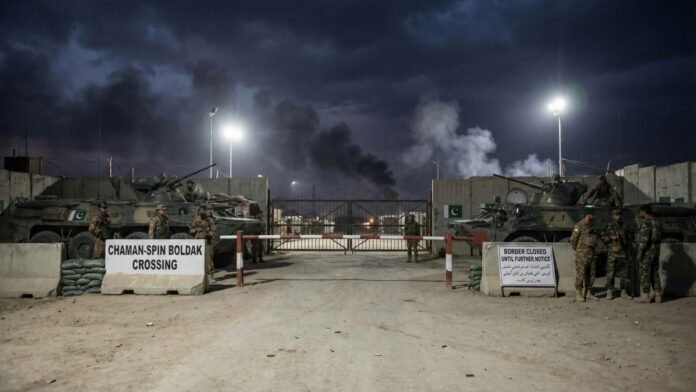
- Heavy exchange of fire occurred late Friday night at Chaman-Spin Boldak border crossing
- No casualties reported in latest incident, though October clashes killed dozens
- Afghanistan claims Pakistan attacked Spin Boldak area of Kandahar province first
- Pakistan accuses Afghan Taliban of unprovoked firing at Chaman border
- Peace talks in Riyadh earlier this week ended without breakthrough
- Pakistan remains on full alert, committed to territorial integrity
- Tensions stem from Pakistan’s accusation that militants operate from Afghan soil
- Taliban denies responsibility, calling it Pakistan’s internal security challenge
- Border crossings remained closed for nearly two months, affecting trade and aid
- Mediation efforts by Qatar, Turkey, and Saudi Arabia have failed to produce lasting peace
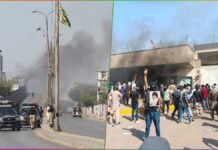
Heavy gunfire erupted between Pakistani and Afghan forces late Friday night at the Chaman-Spin Boldak border crossing, marking a dangerous escalation just days after peace talks collapsed in Saudi Arabia. Officials from both nations confirmed the exchange of fire that began around 10:30 PM local time, with each side blaming the other for initiating the violence. The incident occurred despite a fragile ceasefire that has technically held since October, when the deadliest border clashes since the Taliban’s 2021 takeover resulted in significant casualties on both sides.
Afghan spokesman Zabihullah Mujahid stated that Pakistani forces launched attacks in the Spin Boldak area of Kandahar province, claiming the Afghan army responded to Pakistani aggression. Pakistani officials, including Prime Minister Shahbaz Sharif’s spokesman Mosharraf Zaidi, countered that the Afghan Taliban regime “resorted to unprovoked firing along the Chaman border”. A Pakistani police official, Mohammad Sadiq, claimed the shooting started from the Afghan side, forcing Pakistani troops to return fire. So far, no casualties have been reported from this latest confrontation, though the situation remains extremely volatile.
Failed Peace Negotiations in Riyadh
The border violence erupted just two days after the latest round of peace negotiations in Riyadh ended without any tangible results. The Saudi-mediated talks, which followed previous failed meetings in Qatar and Turkey, saw both sides merely reaffirm their commitment to the existing ceasefire without reaching a comprehensive peace agreement. According to reports, Pakistan pressed the Taliban for written guarantees to take action against anti-Pakistan militant groups operating from Afghan territory, a demand Kabul firmly rejected as beyond its remit.
The Taliban maintained it cannot be held responsible for Pakistan’s internal security challenges and refused to acknowledge the presence of militant groups targeting Pakistan. The meetings, which included Pakistan’s military, intelligence agencies, and foreign office representatives along with senior Taliban leaders, concluded swiftly without any breakthrough. Saudi Arabia’s involvement marked its attempt to play a larger role in regional security, joining Qatar and Turkey as mediators, but the outcome mirrored previous diplomatic failures.
Escalating Tensions and Regional Implications
The current crisis stems from Pakistan’s severe struggle with extremist violence in Khyber Pakhtunkhwa and Balochistan provinces, with Islamabad accusing militants based in Afghanistan of carrying out attacks including suicide bombings. Pakistan identified the suicide bomber who killed 12 people in an Islamabad district court attack in November as an Afghan national. The number of extremist attacks in Pakistan rose significantly last month, with civilian fatalities jumping by 80 percent, according to the Pakistan Institute for Conflict and Security Studies.
The situation has severely impacted bilateral trade, with key border crossings at Chaman and Torkham closed for nearly two months, causing approximately $200 million in trade losses. In a recent development, Pakistan announced it would allow the United Nations to send relief supplies into Afghanistan through these crossings, though tensions continue to hamper regular commerce. The October clashes, which killed 23 Pakistani soldiers and wounded 29 others, along with 50 Afghan civilians killed and 447 wounded according to UN reports, represent the most serious violence along the border since the Taliban seized power. The ongoing instability has drawn regional concern, particularly with India’s increasing diplomatic engagement with the Taliban in 2025, further complicating Pakistan’s strategic calculations.