
































Key Points
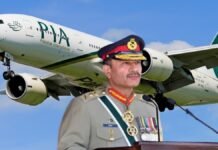
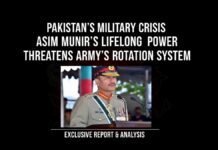
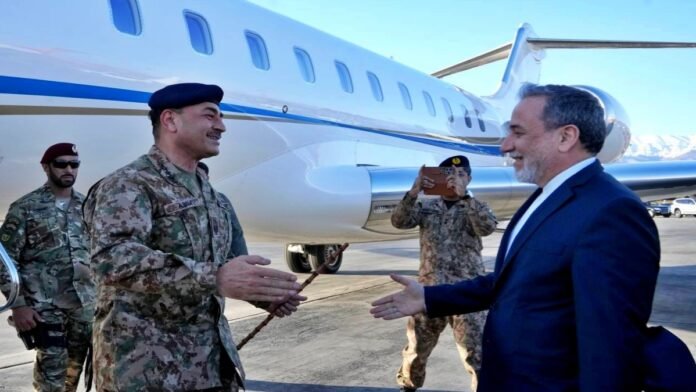
- Army Chief in Tehran: Pakistan’s General Asim Munir arrived in Iran on Wednesday for high-level meetings.
- Peace Mediation: The visit focuses on mediating between the US and Iran amidst regional tensions.
- Stalled Dialogue: Pakistan aims to restart dialogue, a complex task with significant geopolitical obstacles.
- Key Discussions: Meetings with Iranian civilian and military leadership are central to the visit.
Amidst a backdrop of severe regional instability, Pakistan is proactively stepping into a mediation role. Pakistan’s Army Chief, General Asim Munir, arrived in Tehran, Iran, on Wednesday for a crucial high-profile visit. This initiative aims to utilize Pakistan’s unique diplomatic position to address the gridlock in US-Iran relations, and crucially, to explore viable avenues for sustainable peace in the wider Middle East region.
General Munir’s visit is not isolated, but rather part of a sustained, complex diplomatic effort to reduce the temperature between two major adversaries, Washington and Tehran. This role is significantly more complex than simple facilitation, involving nuanced discussions with the highest levels of both the Iranian government and military establishment.
Complex Dialogue and Regional Context
The central challenge is the stalled Joint Comprehensive Plan of Action (JCPOA), commonly known as the Iran Nuclear Deal. Following the US withdrawal in 2018 and subsequent reimposition of sanctions, the relationship has been defined by mistrust and proxy conflicts. Previous attempts by various international actors to bridge this divide have often faltered, leaving regional powers increasingly concerned about potential escalation.
General Munir’s direct engagement with Iranian President Masoud Pezeshkian and other key figures like Foreign Minister Abbas Araghchi and the Commander-in-Chief of the Islamic Revolutionary Guard Corps (IRGC), Major General Hossein Salami, demonstrates the comprehensive nature of these discussions. The IRGC’s involvement is particularly noteworthy, given its direct control over Iran’s regional proxy network and its crucial influence in all major strategic decisions.
Pakistan’s Mediation Rationale
Pakistan’s motivation for this ambitious diplomatic endeavor is multifaceted:
- Domestic Stability: A wider conflict between Iran and the US, or with US regional allies, would directly threaten Pakistan’s internal stability. Cross-border spillover of conflict, refined economic pressure, and potential disruptions to critical energy supply routes could all severely damage Pakistan’s fragile economy.
- Strategic Balancing: Pakistan maintains deep, historical ties with both Iran and the United States. Successfully playing a constructive role in de-escalating their conflict would enhance Islamabad’s standing on the global stage, proving its value as a responsible regional power capable of managing complex relationships.
- Regional Leadership: By attempting to broker peace, Pakistan positions itself as a leader in regional conflict resolution, potentially strengthening its influence within the broader Islamic world and the Shanghai Cooperation Organisation (SCO), of which both Pakistan and Iran are members.
Latest Updates and Significant Hurdles
While General Munir’s visit marks a significant step, the path to successful mediation remains exceptionally challenging. The geopolitical landscape is constantly shifting, often introducing new complexities that derail diplomatic initiatives.
Recent developments have further complicated the already strained situation:
- Gaza War Spillovers: The ongoing war in Gaza has introduced new volatile dynamics. Iran-backed groups throughout the region, including the Houthis in Yemen and various militias in Iraq and Syria, have escalated their actions against US and Israeli interests, often in direct response to the situation in Gaza. This creates an environment of constant tension and recurring flare-ups that are incredibly difficult for any mediator to navigate.
- Political Constraints: Both the Biden administration in the US and the new Iranian administration face significant domestic political pressures that limit their flexibility in negotiations. Hardliners in both Washington and Tehran are skeptical of concessions, making a return to the original JCPOA framework or any other new compromise agreement a politically uphill battle.
- Israel Factor: Israel’s strong opposition to any potential US-Iran deal, particularly one that offers sanctions relief, adds another significant layer of complexity. The constant threat of Israeli military action against Iranian targets, including its nuclear facilities, keeps the region on edge and ready for immediate conflict.
General Munir’s efforts are essential, but the ultimate success depends on multiple factors beyond Pakistan’s control. It is important to understand that Islamabad is more of a high-level facilitator and message-passer rather than a formal, powerful mediator with significant leverage over both parties.
The current visit aims to establish clear lines of communication and a basic level of trust, laying the potential groundwork for more formal, direct negotiations in the future. Pakistan’s proactive approach, even in the face of daunting challenges, underscores the urgent need for diplomatic solutions and highlights its potential role as a pivotal force for stability in the ever-turbulent Middle East.