






























Key Points
- Record Margin: Balen Shah defeated veteran leader KP Sharma Oli by nearly 50,000 votes, securing 68,348 votes against Oli’s 18,734.
- National Surge: The Rastriya Swatantra Party (RSP) has crossed the 138-seat majority threshold, signaling a historic shift away from Nepal’s established political parties.
- Celebration Ban: RSP leadership has strictly prohibited victory processions, citing respect for the 77 lives lost during the Gen Z uprising in September 2025.
- Mandate for Change: The election results reflect a massive public rejection of the “Old Guard” in favor of youth-led governance and anti-corruption reforms.
- Prime Ministerial Path: As the RSP’s designated candidate, the 35, year, old structural engineer is poised to become one of the youngest Prime Ministers in the world.
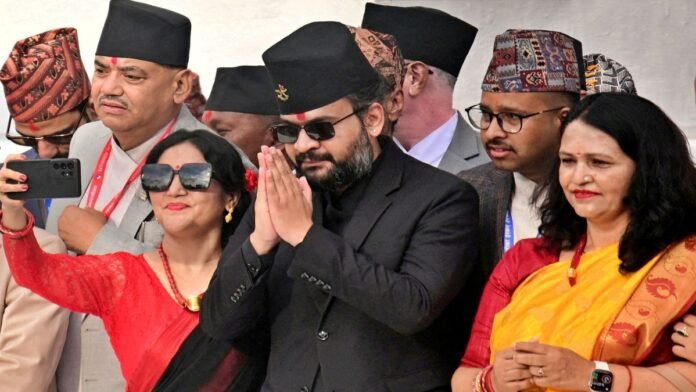
In what is being described as a political earthquake in the Himalayan nation, Balen Shah, the Prime Ministerial face of the Rastriya Swatantra Party (RSP), has claimed a decisive victory in the 2026 General Elections. Contesting from Jhapa,5, the long-standing stronghold of CPN, UML chairman KP Sharma Oli, Shah dismantled decades of political legacy with a staggering margin. Final data from the Election Commission confirms that Shah received 68,348 votes, while the four-time Prime Minister managed only 18,734, a defeat that marks the most significant upset in Nepal’s modern democratic history.
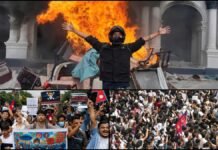
The wave of support for Shah has translated into a national mandate for the RSP. Founded only four years ago, the party is on track to secure an outright majority in the 275-member House of Representatives. This landslide victory follows the violent “Gen Z Uprising” of late 2025, which saw massive youth, led protests topple the previous coalition government. The electorate’s preference for Shah, a structural engineer and hip-hop artist, represents a definitive pivot toward technical expertise and transparency over traditional partisan politics.
Despite the euphoria among supporters, the RSP leadership has taken a somber and disciplined stance. DP Aryal, Vice President of the party and Coordinator of the Federal Election Management Committee, issued an immediate directive banning all victory rallies, motorcycle processions, and public celebrations. Aryal emphasized that the election was held under the shadow of tragedy, noting that dozens of young citizens lost their lives during the September protests that paved the way for this vote. “This is a time for responsibility, not ostentation,” Aryal stated, urging winning candidates to swap flower garlands for immediate legislative work.
The party’s directive also strictly prohibits the use of firecrackers and large gatherings at counting sites. Supporters have been instructed to limit their greetings to a simple ‘Namaste’ to maintain public order and respect the families of the fallen protesters. This approach aligns with the “unfiltered” yet grounded persona that Balen Shah cultivated during his tenure as the Mayor of Kathmandu, from which he resigned in January 2026 to lead the RSP’s national campaign.
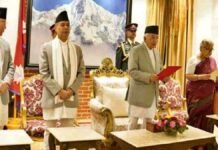
As the government formation process begins, all eyes are on the transition of power. Outgoing caretaker Prime Minister Sushila Karki has expressed readiness to facilitate a respectful handover to the new mandate. For Balen Shah, the journey from the underground rap scene to the Prime Minister’s office is nearly complete, bringing with it the heavy expectation of a generation demanding an end to corruption, improved urban infrastructure, and a stable, independent foreign policy.
The following table outlines the historic shift in Nepal’s political landscape as of the evening of March 7, 2026. The Rastriya Swatantra Party (RSP) has dismantled the long-standing “old guard” coalition in a landslide fueled by the youth-led movement of late 2025.
| Political Party | FPTP Seats (Won/Leading) | Estimated PR Seats | Total Projected (out of 275) | Status |
| Rastriya Swatantra Party (RSP) | 118 | 65 | 183 | Clear Majority |
| Nepali Congress (NC) | 14 | 19 | 33 | Opposition |
| CPN-UML | 9 | 11 | 20 | Massive Loss |
| CPN-Maoist Centre | 8 | 7 | 15 | Decline |
| Others (RPP, Independents) | 16 | 8 | 24 | Fragmented |