





























Key Points
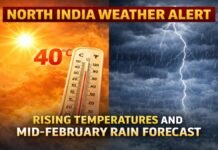
- Delhi, NCR temperatures have soared to 31.9°C, roughly 6°C above the seasonal average.
- A feeble Western Disturbance is bringing light rain and snow to higher reaches of Himachal Pradesh and Uttarakhand.
- Mercury in Uttar Pradesh, Bihar, and Rajasthan is running 3 to 5 degrees Celsius above normal levels.
- Major cities like Kolkata and Mumbai are already experiencing mid-summer-like conditions, with highs reaching 34°C.
- Experts link the premature heat to a significant winter rainfall deficit and dry northwesterly winds.
The final day of February 2026 has brought an early taste of summer to the Indian plains, leaving the traditional spring transition in the rearview mirror. In the national capital, Delhi, and its surrounding NCR regions, the departure from normal temperatures has been stark. On Friday evening, the Safdarjung Observatory recorded a maximum temperature of 31.9°C, making this the warmest February the city has seen in the last three years. With skies remaining largely clear and bright, residents have already turned to fans and air conditioners to combat the midday heat.
According to the India Meteorological Department (IMD), this heatwave-like trend is not isolated to the capital. The entire Indo-Gangetic plain is feeling the impact of dry northwesterly winds, which are allowing sunlight to reach its full potential, rapidly heating the ground.
Rain in the Mountains: A Contrast in the Clouds
While the plains are sweltering, the high-altitude regions of the north are witnessing a shift in weather. A weak Western Disturbance is currently active over the Western Himalayan region. This system is expected to bring light rainfall to the lower hills and scattered snowfall to the peaks of Himachal Pradesh and Uttarakhand, particularly in districts like Northkashi, Chamoli, and Lahaul-Spiti.
In hill stations such as Shimla and Nainital, temperatures remain pleasant, hovering between 17°C and 18°C. However, even these regions are seeing maximums slightly above their typical late-winter averages. The moisture from the Arabian Sea is merging with dry winds over the plains, creating sporadic cloud cover but offering little relief from the rising mercury.
Rising Mercury Across UP, Bihar, and Rajasthan
The heat is intensifying rapidly in Central and East India. In Uttar Pradesh and Bihar, afternoon temperatures have already crossed the 32°C mark, which is significantly higher than the long-period average for late February. The IMD predicts that this upward trend will continue into the first week of March, with temperatures potentially rising another 2 to 4 degrees.
Rajasthan is currently among the hottest states in the country. In Jaipur and surrounding districts, the mercury is expected to touch 35°C by early next week. With no rainfall forecast for the next seven days, the arid heat is expected to settle in, signaling an early and potentially harsh summer for the desert state.
Temperature Conditions in Major Cities
The heat is being felt across the metropolitan landscape, with coastal and inland cities reporting high readings:
- Kolkata: Topping the list with a maximum of 34°C and a minimum of 19°C.
- Mumbai: Stable but warm coastal weather continues, with highs of 32°C.
- Patna and Lucknow: Both cities are bracing for 32°C today, with nights remaining relatively cool at 17°C to 18°C.
- Chennai: High humidity combined with a maximum of 33°C is making for a stifling weekend.
Overall, the lack of winter rain, which saw a deficit of nearly 95% in some regions, has paved the way for this premature thermal spike. As the country moves into March, the focus will shift toward managing water resources and agricultural health in the face of an early summer.