
























Key Developments in the UAE-Pakistan Debt Crisis
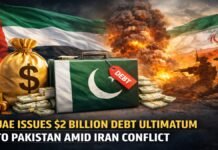
- Repayment Deadline: The UAE has issued a final warning for the full repayment of $2 billion by April 17, 2026, refusing further extensions.
- Interest Rate Hike: After initially lending at 3 percent, the UAE recently raised the interest rate to 6.5 percent, costing Pakistan $130 million annually.
- Mediation Friction: The UAE’s aggressive debt stance follows Pakistan’s failed attempts to broker a ceasefire between the U.S., Israel axis and Iran.
- Geopolitical Alignment: While Pakistan seeks neutrality, the UAE has aligned more closely with the Trump administration’s offensive strategy against Tehran.
- Russian Intervention: With Pakistan’s diplomatic influence waning, Russian President Vladimir Putin has stepped in to lead new regional peace initiatives.
The economic crisis in Pakistan has deepened following a major diplomatic and financial setback from the United Arab Emirates (UAE). On Thursday, April 2, 2026, officials confirmed that the UAE has rejected Islamabad’s request for a long-term rollover of a maturing $2 billion loan. Instead, the Gulf nation has set a strict deadline of April 17 for total repayment, a move that threatens to deplete Pakistan’s already fragile foreign exchange reserves.
The loan, originally extended in 2018 to stabilize Pakistan’s economy, has become a significant burden. Under the revised terms, Pakistan has been paying approximately $130 million in annual interest. The sudden shift in the UAE’s stance,from a “friendly” creditor to a demanding one, reflects a widening rift over the “Third Gulf War” that erupted on February 28, 2026.
The Cost of Neutrality
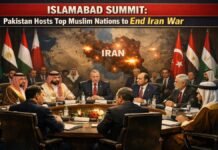
Pakistan has spent the last month attempting to position itself as a neutral intermediary in the conflict between the United States, Israel, and Iran. While Islamabad has successfully negotiated the passage of 20 Pakistani-flagged vessels through the Strait of Hormuz, its broader peace framework has stalled.
In contrast, the UAE has adopted a stance that favors the Trump administration’s “flexible realism” policy. President Donald Trump’s recent “Liberation Day” address, in which he threatened to bomb Iran “back to the Stone Ages” and celebrated the destruction of the B1 Bridge, received tacit support from Gulf partners looking to permanently diminish Iranian influence. Pakistan’s continued outreach to Tehran is reportedly viewed by the UAE as a hindrance to this regional objective.
Russia Fills the Diplomatic Vacuum
As Pakistan’s mediation efforts falter under financial duress, Russia has seized the opportunity to increase its regional footprint. Kremlin spokesperson Dmitry Peskov confirmed that President Vladimir Putin is now personally overseeing a new peace initiative.
“The President is in active contact with regional leaders to ensure the military situation transitions to a peaceful course,” Peskov stated. This shift suggests that the diplomatic center of gravity is moving toward Moscow as Pakistan remains bogged down by its domestic economic distress and the looming April 17 repayment deadline.
Economic Implications for Islamabad
The demand for $2 billion comes at a critical juncture for Prime Minister Shehbaz Sharif’s government. With the IMF currently reviewing Pakistan’s multi-billion-dollar bailout package, the loss of UAE support could trigger a wider sovereign default. The increased interest rate of 6.5 percent has already strained the national budget, and the prospect of a full capital outflow this month has sent shockwaves through the Karachi Stock Exchange, which saw significant losses in late Thursday trading.