




























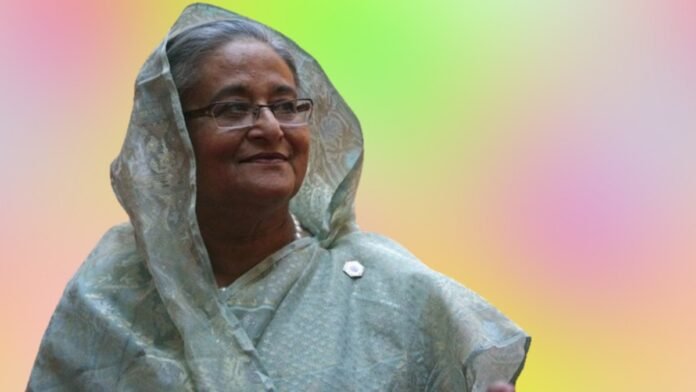
Key Points
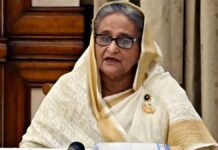
- Sheikh Hasina convicted and sentenced to death on November 17, 2025, on three counts of crimes against humanity by Bangladesh’s ICT
- Tribunal found Hasina ordered use of drones, helicopters, and lethal weapons against protesters, resulting in approximately 1,400 deaths
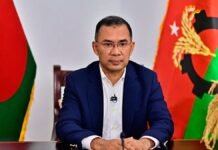
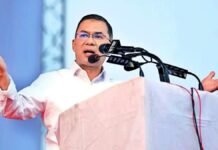
- Former Home Minister Asaduzzaman Khan Kamal also sentenced to death; former police chief Al-Mamun received five years after turning state witness
- Trial conducted in absentia with over 8,747 pages of evidence including surveillance footage, drone logs, hospital records, leaked government communications
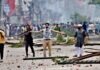
- 15,000 police deployed in Dhaka with shoot-on-sight authorization following crude bomb attacks and arson incidents ahead of verdict
- Hasina called verdict “biased, politically motivated” and dismissed allegations as baseless, remains in exile in India
Dhaka: On Monday, November 17, 2025, Bangladesh’s International Crimes Tribunal-1 delivered a landmark verdict sentencing former Prime Minister Sheikh Hasina to death after finding her guilty on three of five counts of crimes against humanity. The three-member tribunal, headed by Justice Md Golam Mortuza Mozumder and including Justice Md Shafiul Alam Mahmud and Justice Mohitul Haque Enam Chowdhury, concluded that Hasina bore direct responsibility for ordering deadly crackdowns on student-led protests during July-August 2024 that ultimately forced her from power.
The verdict, broadcast live on Bangladesh Television from the ICT courtroom, represents the first time a former Bangladeshi prime minister has been convicted by the tribunal on charges of crimes against humanity. Judge Golam Mortuza Mozumder stated in the ruling that “accused prime minister Sheikh Hasina committed crimes against humanity by her incitement order and also failure to take preventive and punitive measures,” confirming that “all the elements constituting crimes against humanity have been fulfilled”. In addition to the death penalty, Hasina was sentenced to imprisonment on three other counts until the capital punishment is carried out.
Three Counts Of Guilt Established
The tribunal found Sheikh Hasina guilty on three specific charges: ordering killings, preventing justice, and failing to take measures to stop punitive killings. The conviction was premised on evidence that she ordered the deployment of drones, helicopters, and lethal weapons against civilian protesters, as well as direct responsibility for the killings of 12 protesters in the Chankarpul area of Dhaka and Ashulia in Savar. Judge Mozumder noted that Hasina committed crimes against humanity “by virtue of her order” to use advanced military equipment including drones and helicopters to fire on unarmed demonstrators.
The prosecution presented comprehensive evidence including surveillance footage, drone logs, hospital records, and leaked government communications demonstrating a coordinated and systematic attack on civilian populations. The formal charge documents spanned 8,747 pages, including references, seized evidence, and detailed victim lists, representing one of the most extensively documented cases in the tribunal’s history. Prosecutors brought five charges against the accused, including failure to prevent murder, an offense classified as a crime against humanity under Bangladeshi law.
Co-Accused Receive Varying Sentences
Former Home Minister Asaduzzaman Khan Kamal, who like Hasina is a fugitive and was tried in absentia, also received the death penalty for his role in the crackdown. The tribunal determined that Kamal, as a senior member of Hasina’s government, bore direct responsibility for implementing the violent suppression of protests. Former Inspector General of Police Chowdhury Abdullah Al-Mamun, the third co-accused who was taken into custody in May 2025, avoided the death penalty after pleading guilty and agreeing to serve as a state witness, the first accused to do so since the tribunal’s establishment in 2010. Mamun was sentenced to five years in prison for his role in the crimes.
The tribunal ruled that proceedings would continue in absentia for Hasina and Kamal after both refused to return to Bangladesh despite formal summons and public notices. On June 19, 2025, the tribunal appointed senior jurist AY Moshiuzzaman of the Bangladesh Supreme Court as amicus curiae to ensure fair representation during the trial proceedings.
Massive Death Toll From July Uprising
According to the tribunal’s findings and United Nations reports, approximately 1,400 people were killed during the July-August 2024 protests and subsequent government crackdown. Bangladesh’s health adviser under the interim government reported that more than 800 people were confirmed killed and approximately 14,000 were injured during the violence. The prosecution alleged that Hasina deployed conventional police and military units as well as drones, helicopters, and incendiary weapons against demonstrators in a coordinated campaign to suppress the student-led uprising.
Witness testimonies painted a harrowing picture of the crackdown’s brutality. On August 4, 2025, the tribunal heard from Khokon Chandra Barmon, a protest survivor who was shot in the face during the Jatrabari crackdown. Barmon identified senior officials including Sheikh Hasina as responsible and demanded maximum punishment. Another witness, Abdullah Al Imran, testified that he heard Hasina ordering hospital authorities to provide “no release, no treatment” for injured protesters, effectively denying medical care to victims of the violence.
Evidence Of Systematic Violence
The prosecution’s case centered on establishing that the violence constituted a systematic and coordinated attack on civilian populations with intent to intimidate, suppress dissent, and obstruct democratic mobilization. On July 10, 2025, the ICT formally indicted Sheikh Hasina on five counts of crimes against humanity, including orchestrating mass killings of protesters in Dhaka, using helicopters and drones to fire on civilian crowds, the murder of student activist Abu Sayed, incineration of bodies in Ashulia to destroy evidence, and coordinated killings of demonstrators in Chankarpul.
Video evidence presented to the tribunal clearly showed protesters being shot and killed, with many of these recordings broadcast on YouTube channels and social media platforms. The tribunal extensively studied reports from several human rights organizations and international institutions in reaching its verdict. A total of 203 individuals, alongside Sheikh Hasina and several former government and police officials, have been indicted by the tribunal, with 73 currently in custody facing related charges.
Hasina’s Autocratic Turn Documented
The tribunal’s verdict detailed how Sheikh Hasina’s governance became increasingly autocratic beginning in January 2024. During the 2024 elections, she systematically suppressed opposition parties and subsequently ordered gunfire against students who began protesting her authoritarian rule. The judgment noted that Hasina’s actions demonstrated a pattern of escalating repression designed to maintain power through violence and intimidation rather than democratic means.
Separate from the main trial, Hasina was convicted of contempt of court on July 2, 2025, following release of an audio recording in which she allegedly stated that she had a “license to kill” because she had faced 227 legal cases in the past. The tribunal found this statement to be a direct affront to judicial integrity and sentenced her to six months imprisonment in absentia, though this contempt conviction was procedurally independent from the crimes against humanity charges.
Hasina Dismisses Verdict As Political
Before the verdict was announced, Sheikh Hasina sent a video message to her supporters dismissing all allegations as baseless and expressing no concern about the tribunal’s decision. Following the sentence, she described the verdict as “biased, politically motivated,” rejecting the tribunal’s legitimacy and characterizing it as a “jurisprudential joke”. Hasina has repeatedly denied all charges throughout the proceedings, maintaining that the interim government led by Muhammad Yunus lacks democratic legitimacy and is conducting a politically motivated prosecution.
The 78-year-old deposed leader defied court orders requiring her return from India to attend her trial about whether she ordered the deadly crackdown against the student-led uprising that ousted her in August 2024. She fled Bangladesh on August 5, 2024, as the protests intensified and her government collapsed, taking refuge in India where she has remained in exile. India has not responded to Bangladesh’s formal extradition request for Hasina.
Security Lockdown Across Bangladesh
The situation in Bangladesh became extremely tense in the hours leading up to and following Hasina’s verdict, prompting the government to issue high alert across the country. Dhaka was placed under unprecedented security lockdown with 15,000 police personnel deployed in the capital city. On Sunday evening, November 16, Dhaka Metropolitan Police Commissioner Sheikh Md Sajjat Ali issued a “shoot-at-sight” order targeting individuals involved in arson attacks, crude bomb explosions, or attempts to harm police and civilians.
Between late Saturday night and Sunday morning, rioters set at least two buses on fire in Dhaka amid sporadic violence and crude bomb attacks. Security forces were authorized to open fire on violent mobs if necessary to maintain order and prevent escalation of unrest. Fearing the situation could deteriorate further following the verdict announcement, security arrangements were significantly tightened across the country with heavy police presence at strategic locations.
Legal Challenges And Appeal Options
Under Bangladesh’s International Crimes Tribunal law, Sheikh Hasina is barred from challenging the verdict in the Supreme Court’s Appellate Division unless she surrenders or is arrested within 30 days after the verdict’s delivery. This legal provision effectively prevents her from appealing the death sentence while remaining in exile in India. The tribunal’s procedural rules were specifically designed to allow trials in absentia for individuals who refuse to return and face justice, ensuring that flight from the country does not prevent accountability.
The court also ordered compensation to be paid to the families of victims who suffered during the July-August 2024 crackdown. Implementation of the death sentence requires Hasina’s return to Bangladesh, either through voluntary surrender, arrest if she travels to a third country, or extradition from India, though the latter appears unlikely given India’s historical reluctance to extradite political figures and the lack of extradition treaty between the two nations.
International Reactions And Implications
The verdict marks a dramatic reversal in Bangladeshi politics, with a former prime minister who ruled for 15 years now sentenced to death for crimes committed during her tenure. The case represents Bangladesh’s commitment to accountability for human rights violations, though questions remain about whether international standards of due process were fully met given the trial was conducted in absentia without the defendant’s participation or legal representation. The proceedings’ unprecedented nature, including live nationwide television broadcast, reflects the interim government’s determination to demonstrate transparency in pursuing justice for victims of the July uprising.
The verdict’s implications extend beyond Bangladesh’s borders, potentially complicating India-Bangladesh relations as India continues to host Hasina in exile. The case also raises broader questions about accountability for government leaders who use lethal force against civilian protesters, setting a precedent that could influence similar proceedings in other nations experiencing political transitions following popular uprisings.