




























Key Points
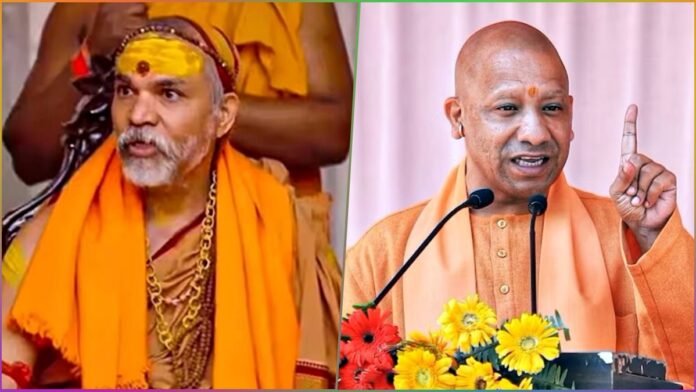
- The Dispute: CM Yogi stated that “no one is above the law” and religious titles like Shankaracharya cannot be self,assumed without following established norms.
- The Rebuttal: Swami Avimukteshwarananda questioned how a “Yogi” can hold political office, stating that a true ascetic should remain detached from state power.
- Political Fallout: Akhilesh Yadav joined the fray, criticizing the Chief Minister’s treatment of saints and defending the autonomy of religious traditions.
- Magh Mela Context: The tension stems from administrative disputes at the Magh Mela in Prayagraj, where the government is managing 45 million devotees for Mauni Amavasya.
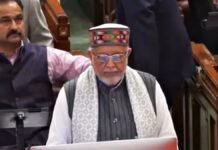
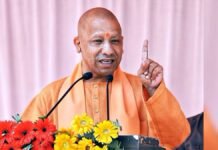
The ongoing friction between the religious establishment and the Uttar Pradesh government reached a flashpoint this week following a series of pointed exchanges in the State Assembly. Chief Minister Yogi Adityanath, addressing the house on Friday, asserted that the title of Shankaracharya is the most sacred in Sanatan Dharma and must be governed by strict rules and historical traditions. He emphasized that being a religious leader does not grant immunity from the law, particularly regarding administrative protocols during the massive Magh Mela gathering.
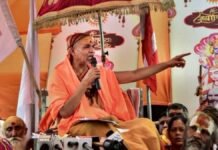
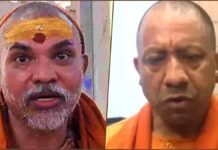
In a swift and scathing response, Swami Avimukteshwarananda Saraswati of the Jyotir Math dismissed the need for “political certificates” to validate his position. He argued that the identity of a Shankaracharya is rooted in the Guru,Shishya (teacher,disciple) lineage and centuries,old spiritual customs that transcend government recognition. The Swami further challenged the Chief Minister’s own credentials as a “Yogi,” stating that Vedic tradition allows a king to become a yogi, but once a person becomes a detached yogi, they should not return to the throne to exercise worldly power.
Allegations of Political Arrogance
The confrontation has taken on a heavy political tone, with the Shankaracharya drawing parallels between the current BJP administration and the previous Samajwadi Party (SP) government. He claimed that the “arrogance” seen during Akhilesh Yadav’s tenure in 2015 has now resurfaced within the current leadership. In a surprising rhetorical move, he suggested that the current administration’s actions against him were a continuation of the hostilities he faced under the SP, effectively accusing both sides of undermining religious authority.
CM Yogi, however, maintained that the controversy was a deliberate attempt to “vitiate the atmosphere” ahead of the high-stakes Mauni Amavasya bathing festival. He questioned the motives behind the dissent, implying that some figures were using religious titles to bypass public safety regulations and administrative orders aimed at managing the record-breaking crowds in Prayagraj.
Akhilesh Yadav and the Saffron Identity
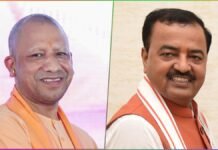
Adding another layer to the conflict, Samajwadi Party chief Akhilesh Yadav hit back at the Chief Minister, defending the need for mutual respect between the state and the saintly community. Yadav remarked that wearing saffron robes or having “ears pierced” (referring to the Nath sect traditions) does not automatically imbue one with the qualities of a Yogi if they fail to show respect to other religious leaders.
This tripartite clash among a high-ranking cleric, a monk-turned-politician, and the opposition leader has shifted the focus from the administrative management of the Magh Mela to a deeper debate over who holds ultimate authority over Sanatan traditions in modern India. As the state prepares for the massive influx of devotees, the legal and spiritual boundaries between the temple and the secretariat remain more blurred than ever.