





























Key Points
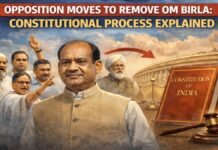
- Formal Motion: The INDIA bloc plans to submit a notice under Article 94(c) of the Constitution for the removal of the Speaker.
- Core Grievances: Allegations include silencing Rahul Gandhi on national security issues, the suspension of eight opposition MPs, and controversial remarks regarding women parliamentarians.
- Parliamentary Chaos: Proceedings were adjourned within minutes on Monday following intense sloganeering and protests over an India, US trade framework.
- The Memoir Controversy: Tensions peaked after the Speaker blocked Gandhi from quoting former Army Chief General M.M. Naravane’s unpublished memoir.
- Legal Requirement: The motion requires a 14, day prior notice and the support of at least 100 MPs to be officially introduced.
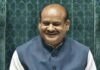
The ongoing Budget Session of 2026 has escalated into a constitutional showdown as opposition parties, led by the Congress and supported by the INDIA bloc, have mobilized to seek the removal of Lok Sabha Speaker Om Birla. This move follows a week of unprecedented friction in the Lower House, where the opposition claims the democratic space for debate has been systematically dismantled.
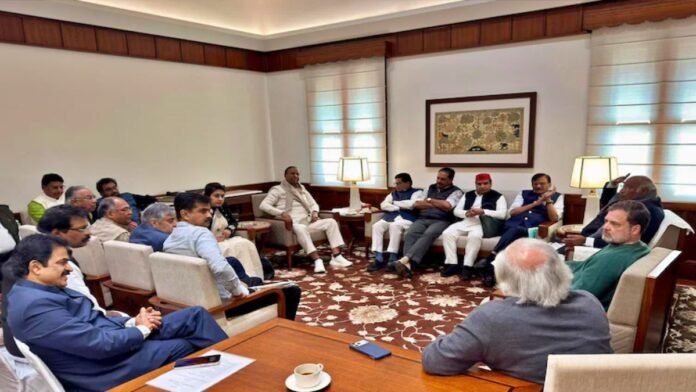
During a strategic meeting held in the chamber of Congress President Mallikarjun Kharge on Monday morning, representatives from the TMC, SP, DMK, and Left parties reached a consensus to proceed with a no-confidence motion. The decision marks a significant shift in parliamentary tactics, reflecting the deep-seated anger over how proceedings are being conducted.
Narrative Silencing and the Naravane Memoir
The primary catalyst for this latest confrontation was the Speaker’s refusal to allow Leader of the Opposition (LoP) Rahul Gandhi to speak on matters of national security. Specifically, Gandhi attempted to cite excerpts from “Four Stars of Destiny,” the unpublished memoir of former Army Chief General M.M. Naravane, regarding the 2020 India, China border standoff.
The Chair ruled that members cannot quote from unpublished documents or magazine articles, a decision the opposition has termed “high-handedness.” Following this ruling, the suspension of eight opposition MPs for “unruly behavior” after they entered the Well of the House further solidified the opposition’s resolve to challenge the Speaker’s authority.
Allegations of Bias and Security Claims
The motion is expected to highlight several specific grounds for the Speaker’s removal:
- Preferential Treatment: Allegations that Treasury Bench members are given unlimited time to speak and make “derogatory remarks” without being expunged from the record.
- Targeting Women MPs: The opposition has taken offense at recent claims from the Chair regarding the conduct of female Congress MPs, which they describe as baseless and defamatory.
- The “Security” Controversy: A peculiar claim made by the Speaker, suggesting that Prime Minister Narendra Modi’s safety was at risk within the House due to opposition positioning, has been labeled by the INDIA bloc as a tactic to vilify their protest.
Gridlock During the Question Hour
The ninth day of the session began with a momentary display of unity as Speaker Birla congratulated the Indian Under, 19 cricket team for their record-breaking sixth World Cup title. However, the civility was short, lived. As soon as the Question Hour commenced, opposition members demanded a discussion on the India, US interim trade framework and insisted that the LoP be given the floor.
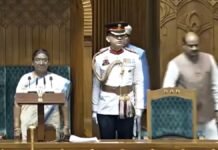
When the Speaker insisted that the House follow established rules and restrict comments to the specific questions tabled, the ensuing uproar forced an adjournment within just seven minutes. Speaker Birla maintained that the House must function according to procedures, stating that Question Hour is a dedicated time for MPs to seek answers from the government and should not be used for political sloganeering.
What Happens Next?
Under Article 94(c) of the Constitution, a Speaker can be removed by a resolution passed by a majority of all the then members of the Lok Sabha. However, such a resolution cannot be moved unless at least 14 days’ notice has been given. Given the current numbers in the House, the motion is unlikely to result in the Speaker’s removal, but it serves as a powerful symbolic tool for the opposition to register their protest on the national stage.
The first phase of the Budget Session is scheduled to conclude on February 13, with the second phase resuming in March. Sources indicate that the opposition intends to keep the pressure on the Chair throughout the recess, potentially filing the formal notice before the session reconvenes.