































Key Points:
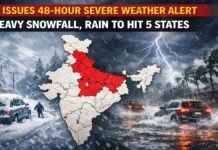
- IMD issues cold wave alert for Haryana, Punjab, Delhi, Rajasthan, MP, and Chhattisgarh until January 1
- Delhi’s IGI Airport operating under CAT-III conditions with visibility below 100 meters
- IndiGo and other airlines warn of delays, offer rebooking and refund options
- Dense fog combines with air pollution, causing respiratory health concerns
- Light rain predicted for Delhi-NCR on January 1 due to Western Disturbance
The Indian Meteorological Department has issued a comprehensive alert for cold waves and dense fog across North and Central India, bringing daily life to a near standstill. The capital region faces the most severe impact, with Delhi and NCR shrouded in thick fog that has drastically reduced visibility and disrupted transportation networks. The conditions have persisted for several consecutive days, creating one of the worst winter weather crises in recent memory. Temperatures have plummeted several degrees below normal, compounding the challenges for residents and travelers alike.
Flight operations at Delhi’s Indira Gandhi International Airport have been severely compromised, with the airport administration forced to implement CAT-III landing procedures. These advanced instrument landing systems allow aircraft to land in extremely low visibility, but significantly reduce the number of flights that can operate safely. Passengers have reported delays stretching into hours, with many spending the night at the terminal. The airport advisory explicitly states that flights may be canceled without prior notice, leaving travelers stranded during the holiday season.
Airlines Scramble to Manage Disruptions
IndiGo Airlines has issued detailed advisories to its passengers, warning that flight schedules remain highly unpredictable due to rapidly changing visibility conditions. The airline confirmed that both Delhi and Hindon airports experienced dense fog combined with cold winds early Monday morning, forcing immediate operational adjustments. Safety teams are prioritizing compliance with visibility regulations, which means flights can only depart when conditions meet minimum safety standards.
Passengers whose flights have been canceled or significantly delayed can rebook their journeys without penalty or claim full refunds through the airline’s website or customer service centers. IndiGo has deployed additional ground staff at terminals to assist confused and frustrated travelers, though the sheer volume of affected passengers has created long queues at service counters. Other carriers, including Vistara and Air India, have issued similar warnings, creating a ripple effect across the national aviation network.
Ground Transportation Grinds to a Halt
The fog’s impact extends far beyond the airport, creating hazardous conditions on Delhi-NCR roads. Monday morning commuters reported visibility dropping below 50 meters in many areas, with some locations recording near-zero visibility of just 30 meters. Vehicles crawled at walking pace on major highways, including the Delhi-Gurgaon Expressway and Yamuna Expressway, with drivers relying heavily on fog lights and hazard indicators. Several minor accidents were reported during the early hours, though traffic police have not released official figures.
Schools in the region have advised parents to keep children home, while offices have implemented work-from-home policies. The combination of fog and existing air pollution has created a toxic atmospheric cocktail, with air quality indices soaring into the hazardous category. Hospitals across Delhi have reported a 30% increase in patients suffering from respiratory issues, asthma attacks, and other pollution-related health problems. Doctors are advising vulnerable populations, including children and the elderly, to remain indoors until conditions improve.
Meteorological Predictions and Warnings
The IMD has extended its cold wave warning through January 1, covering a vast swath of northern and central India. Haryana, Punjab, Delhi, Chandigarh, northern Rajasthan, Madhya Pradesh, and Chhattisgarh will continue experiencing severe cold conditions, with minimum temperatures expected to remain 5-7 degrees Celsius below normal. The cold wave may also intensify over Bihar and Jharkhand, bringing unusual winter severity to these eastern states.
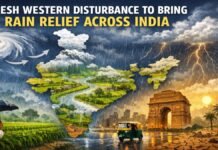
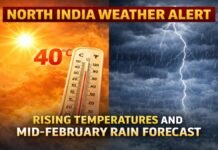
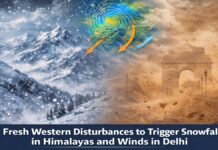
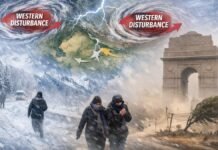
A Western Disturbance approaching from the northwest is expected to bring some relief, though initially it may worsen conditions. Delhi could see cloudy skies on the evening of December 31, with light rain possible across the NCR region on January 1. While precipitation might improve air quality slightly, it will also increase humidity, potentially prolonging the fog situation. Southern states face a different challenge, with heavy rainfall predicted in some areas due to the same weather system.