Karnataka farmers protest over sugarcane price demands, with leaders accusing Chief Minister Shivakumar of scaremongering.
Key Points
- Protest Context: Farmers demand higher sugarcane prices and oppose Chief Minister Shivakumar’s warnings about factory shutdowns.
- Leader’s Statement: Farmers leader Kurubur Shantakumar called Shivakumar’s remarks unacceptable and urged government action.
- Demands Include: Differential pricing, FRP increase, tax redistribution, drought relief, and loan waivers.
- Legal Action Call: Shantakumar urged legal action against forced loan recovery from women farmers.
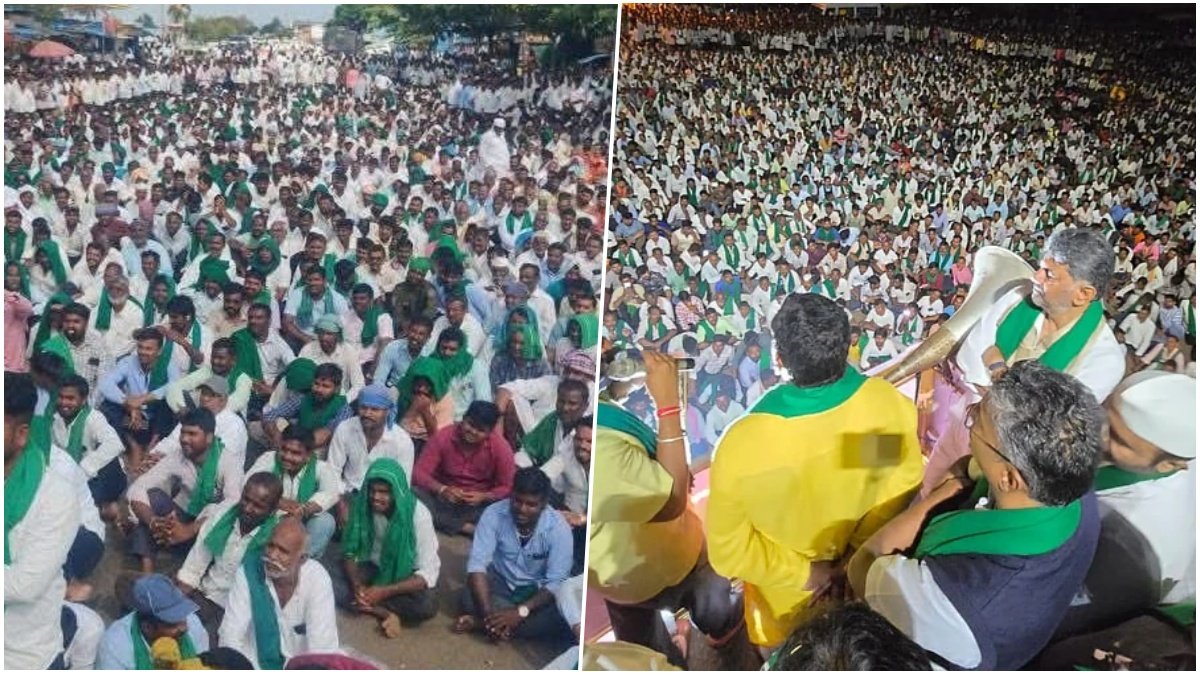
DHARWAD: Farmers in Karnataka are protesting over demands for higher sugarcane prices, with leaders accusing Chief Minister D.K. Shivakumar of using scare tactics to deter negotiations. The protests, centered around Yerikoppa near Dharwad, involve calls for government intervention on pricing and financial relief.
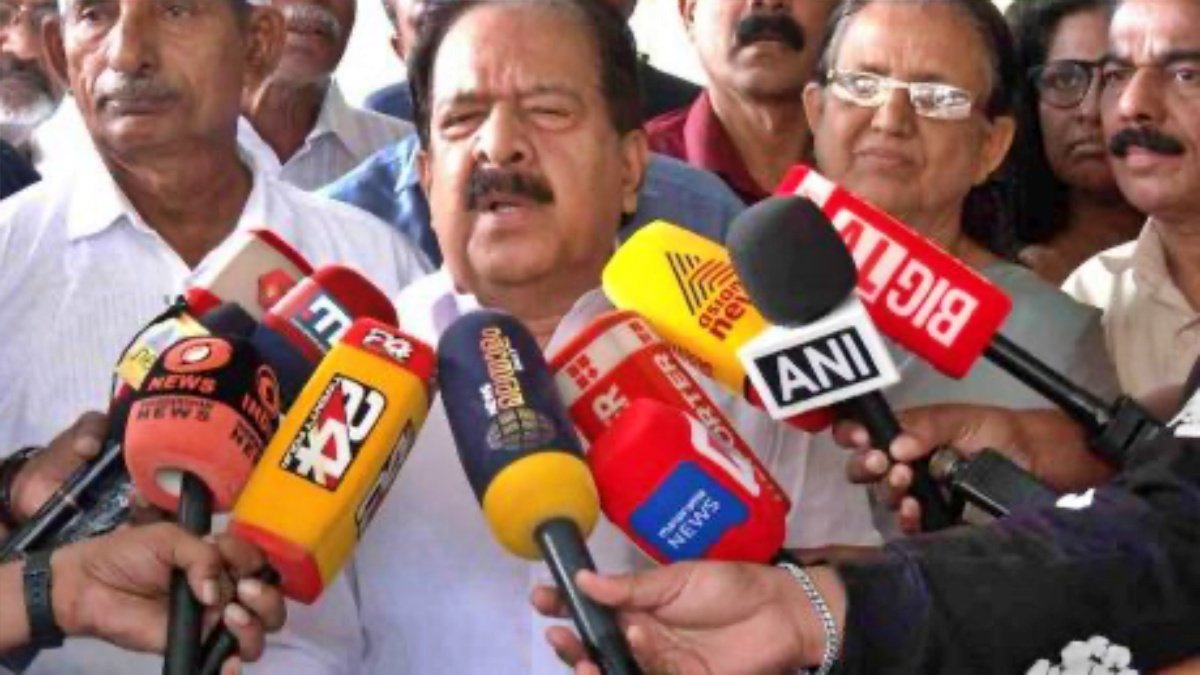
Farmers leader Kurubur Shantakumar addressed the protesters, condemning Shivakumar’s statements as unacceptable. He emphasized that the Union and State governments should not downplay the farmers’ movement or politicize issues related to sugar prices. Shantakumar also expressed support for the ongoing Hubballi Chalo padayatra, a protest march aimed at pressuring authorities to address agricultural concerns.
Key Demands and Policy Proposals
Shantakumar outlined several demands, including differential pricing for sugar and strict enforcement of the Sugar Control Order of 1966. This law mandates that factories share profits from byproducts with farmers. He also called for an increase in the Fair and Remunerative Price (FRP) for sugarcane by at least ₹4,500 per tonne with a sugar recovery rate of 10.25%.
The State government, he argued, should redistribute tax revenues to farmers by providing ₹800 per tonne of sugarcane, following the model set by Tamil Nadu. Additionally, Shantakumar urged immediate drought relief for affected farmers and the waiver of all farm loans. He criticized forced loan recovery by private banks, particularly targeting microfinance institutions that pressure women to sell personal assets to repay loans.
Urgent Relief and Legal Action
Shantakumar called for legal action against entities forcing women to repay loans, requesting a moratorium on such recoveries for two years. He also urged state ministers and legislators to forgo their salaries to provide ₹25,000 per acre in compensation to drought-hit farmers. These demands reflect the severity of the agricultural crisis and the need for immediate government action to alleviate financial burdens on farming communities.