

































Key Points:
- All IRIB channels compromised via Badr satellite hack on January 18, 2026, at 9:30 PM Tehran time
- Exiled Crown Prince Reza Pahlavi’s messages and protest footage broadcast for approximately 10 minutes
- Hackers directly appealed to Iran’s military and security forces to side with protesters
- Incident exposes critical vulnerabilities in Iran’s national broadcasting infrastructure
- Attack occurs amid escalating cyber tensions and ongoing anti-government demonstrations
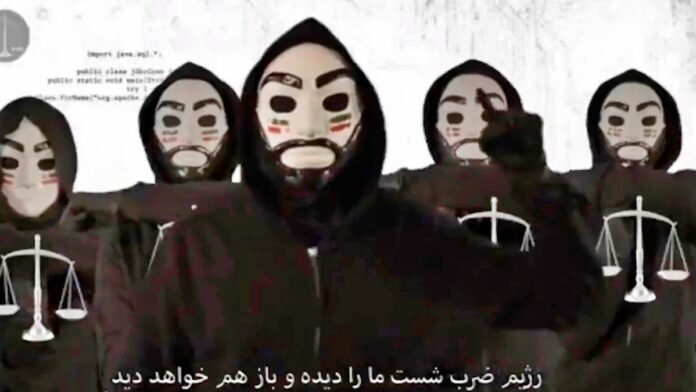
Anti-regime activists executed a sophisticated cyberattack against Iran’s state broadcaster on Sunday night, hijacking the Islamic Republic of Iran Broadcasting (IRIB) network to transmit unauthorized content nationwide. The breach occurred at approximately 9:30 PM local time and affected all channels transmitted via Iran’s Badr satellite system. The incident lasted roughly 10 minutes before authorities regained control, but the impact reverberated across the country and the international community.
The attack represented one of the most significant breaches of Iran’s state-controlled media apparatus in recent years, demonstrating that even the most tightly controlled government infrastructure remains vulnerable to determined cyber actors. According to reports from Israel’s public broadcaster KAN News and other international media outlets, the hackers managed to override regular programming with footage that directly challenged the regime’s authority.
Exiled Prince’s Message Reaches Iranian Homes
The hijacked broadcast featured video messages from Crown Prince Reza Pahlavi, the son of Iran’s last Shah, who has lived in exile for decades. Pahlavi’s communications office confirmed the incident, stating that footage from the Iran uprising and messages from the Prince aired nationwide. The broadcast included clips of solidarity protests held abroad, statements of support from international figures, and direct appeals to Iranian citizens.
Most significantly, Pahlavi specifically addressed Iran’s military and security forces, urging them to abandon the government and align with protesters. This direct appeal to the regime’s enforcement apparatus marked a strategic escalation in opposition messaging, potentially seeking to capitalize on existing dissent within security ranks. The video content, later shared by Pahlavi’s media team on social media platforms, showed recorded addresses calling on citizens to maintain pressure on authorities.
Anti-Government Slogans and Protest Footage
Alongside Pahlavi’s messages, the hacked transmission displayed powerful anti-government imagery, including footage of protests and slogans such as “Down with the dictatorship”. These images, described by Iranian officials in previous attacks as “the faces and voices of hypocrites,” directly contradicted the state’s narrative and control over information. The content spread rapidly across social media platforms, amplifying the attack’s reach beyond the initial broadcast.
The broadcast occurred during a period of heightened tensions and ongoing demonstrations against the Islamic regime, with protests fueled by economic grievances that have escalated into significant anti-government movements. Authorities have responded to these demonstrations with extreme violence, mass detentions, lethal force, and extensive internet blackouts.
Critical Cybersecurity Vulnerabilities Exposed
The breach raises serious questions about Iran’s cybersecurity preparedness, particularly for critical national infrastructure. Experts note that the attack likely required organized and technically sophisticated capabilities, suggesting possible involvement of state-backed actors or highly skilled hacktivist groups. Iran has previously accused foreign countries, particularly the United States and Israel, of conducting cyberattacks, though the specific perpetrators of this incident remain unconfirmed.
Technical analysis indicates the attackers exploited vulnerabilities in the satellite transmission system, a method that bypasses traditional network defenses. The deputy head of technical affairs for IRIB previously stated that similar attacks would require intimate knowledge of the broadcasting technology and could exploit backdoors in the system. The fact that multiple channels were simultaneously compromised suggests a coordinated attack on central broadcasting infrastructure rather than individual station breaches. [research.checkpoint]
Escalating Pattern of Cyber Warfare
This incident represents the latest in a string of cyberattacks targeting Iranian infrastructure, following breaches of Bank Sepah and Nobitex, Iran’s largest cryptocurrency exchange, which resulted in theft exceeding $90 million. The cybersecurity threatscape in Iran has intensified significantly, with attacks peaking during periods of geopolitical tension.
Israeli officials have reported that Iran has simultaneously engaged in its own cyber offensive, launching 1,200 separate information campaigns targeting Israeli citizens and hacking into security cameras to track VIP movements. This mutual cyber engagement reflects a broader pattern of asymmetric warfare playing out in digital spaces.
Public Fear and Government Response
The general public has expressed increased anxiety following the broadcast hack, with many citizens concerned that if national television systems can be compromised, private data and other critical services face similar risks. Social media discussions have framed the attack as both a warning to the government and a demonstration of opposition capabilities.
The Iranian government has not issued an official statement acknowledging the attack’s full scope, though state media described similar previous incidents as “enemy interference with satellite signals”. The lack of transparent communication has fueled speculation about the regime’s ability to protect critical infrastructure and maintain information control.
Security experts warn that such attacks could increase in frequency and sophistication, particularly if the government fails to strengthen cybersecurity measures across broadcast, financial, and governmental systems. The incident serves as a stark reminder that in modern conflicts, control of information networks can be as consequential as control of physical territory.