Key Points
- Bail Granted: A Special Executive Magistrate (SEM) court in Delhi ordered the conditional release of Abhijit Dipke on a personal bond of ₹50,000.
- Peace Undertaking: Dipke’s release was made conditional upon executing a formal peace bond to ensure public order is maintained.
- Preventive Detention: Delhi Police detained Dipke on Friday for allegedly violating prohibitory orders under Section 163 of the Bharatiya Nagarik Suraksha Sanhita (BNSS).
- Prior Release: Fellow party member Neha Bora, detained in connection with the event, was released late Friday night.
- Party Allegations: CJP legal representative Ratna Singh confirmed the release, while party officials raised concerns over temporary denial of access to counsel following Dipke’s detention.
Detention During Planned ‘Tiranga March’
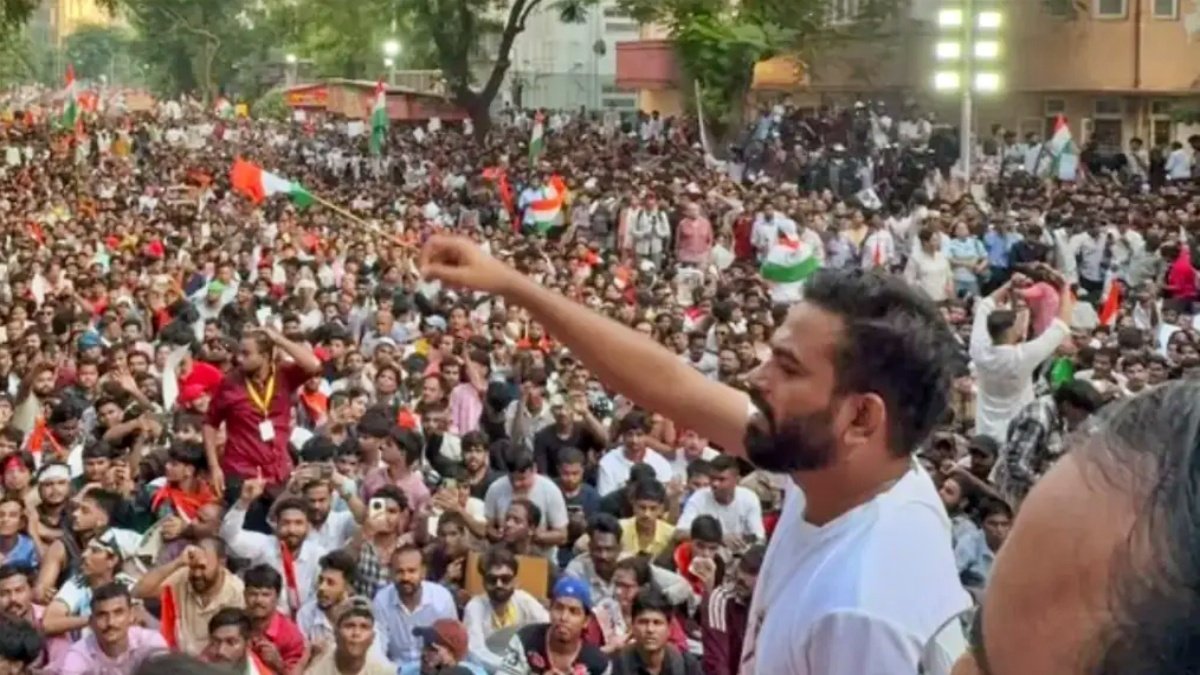
NEW DELHI: Police detained Abhijit Dipke, the founder of the Cockroach Janata Party (CJP), on Friday in the national capital as he prepared to lead the party’s scheduled “Tiranga March” (Tricolour March). Law enforcement moved preemptively to disperse participants, asserting that the gathering had not secured required clearances and ran counter to local administrative directives.
Dipke was taken into custody alongside other party workers. While associate Neha Bora was discharged late Friday night, Dipke remained in police custody overnight before being produced before the magistrate.
Legal Proceedings and Bail Conditions
Dipke was formally presented before a Special Executive Magistrate (SEM) court, which reviewed the preventive custody application filed by the police. Following the hearing, the magistrate ordered Dipke’s release on a personal bond of ₹50,000.
As a core condition of his release, Dipke was directed to execute a peace bond, a formal legal undertaking binding the signatory to maintain peace and abstain from activities likely to disrupt public order. Ratna Singh, who oversees legal matters for the CJP, confirmed the development via a post on X (formerly Twitter), verifying that Dipke had completed the necessary formalities and secured his release. Detailed specifications regarding additional conditions or future court appearances have not yet been released.
Invocation of Section 163 of the BNSS
The police action was initiated under Section 163 of the Bharatiya Nagarik Suraksha Sanhita (BNSS), the procedural statute that replaced Section 144 of the Code of Criminal Procedure (CrPC). The provision grants magistrates and authorized police officials the power to issue preventive orders in urgent cases of apprehended danger or nuisance, including restrictions on assemblies, processions, or demonstrations.
Authorities stated that the preventive action was necessary to avoid potential law-and-order disruptions in central Delhi.
Due Process Concerns Raised by the Party
The detention drew immediate criticism from CJP leadership. Party representatives alleged that following his apprehension, Dipke was transported to an undisclosed location and initially restricted from consulting his legal counsel, raising questions regarding compliance with standard procedural safeguards. Delhi Police have maintained that the detention and subsequent magistrate proceedings were conducted strictly in accordance with preventive legal protocols.