
























Key Highlights
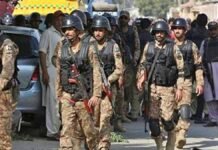
- Simultaneous Strikes: Coordinated attacks were reported in at least 14 cities, including Quetta, Gwadar, Mastung, and Nushki, beginning early Saturday morning.
- Casualty Reports: Official Pakistani sources confirm at least 10 security personnel killed, while the BLA claims much higher figures and the detention of 18 personnel.
- Strategic Shutdown: The Pakistani government has suspended train services across the province and jammed mobile networks in several districts to disrupt insurgent communications.
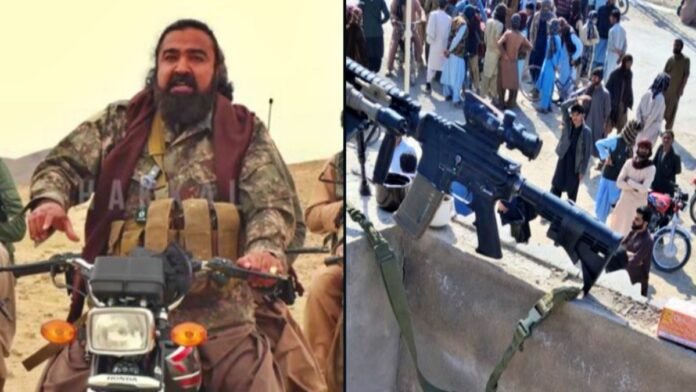
- Majeed Brigade Involvement: Reports confirm the participation of elite suicide squads, including female fidayeen fighters, in attacks on military headquarters and police stations.
The security landscape in Pakistan’s mineral-rich province of Balochistan reached a breaking point on January 31, 2026, with the commencement of the second phase of the BLA’s ‘Operation Herof’. Unlike previous sporadic attacks, this offensive involved synchronized strikes at 48 different locations. Residents in Quetta reported waking up to the sounds of heavy explosions and sustained gunfire, particularly near the high-security “Red Zone” and the railway station.
The BLA’s media wing, Hakal, claimed that its fighters successfully established control over several administrative structures and military posts. While the Pakistani military’s media wing, ISPR, has characterized the attacks as “poorly executed” and largely foiled, the scale of the disruption suggests a significant intelligence failure and a high level of insurgent coordination.
Fierce Urban Combat and Infrastructure Damage
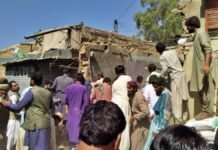
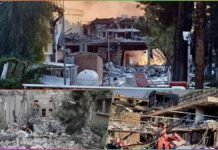
The fighting has been particularly intense in Nushki and Gwadar. In Nushki, heavy gunfire was reported near the Frontier Corps (FC) headquarters and the Central Jail, with unverified reports suggesting insurgents breached several security perimeters. In the strategic port city of Gwadar, a symbol of the China-Pakistan Economic Corridor (CPEC), plumes of smoke were seen rising from areas near the port as security forces engaged in prolonged gunbattles with insurgents.
Notably, this operation has highlighted the increasing role of the BLA’s Majeed Brigade, which deployed suicide bombers to breach the gates of sensitive installations. The presence of female combatants in these frontline roles has been noted by analysts as a calculated move to broaden the insurgency’s propaganda appeal and complicate security responses.
State Response and Emergency Measures
In response to the escalating violence, the Pakistani administration has declared a state of emergency in all provincial hospitals. Interior Minister Mohsin Naqvi praised the bravery of the security forces, stating that at least 58 insurgents were neutralized in the initial counteroffensive. However, the ground reality remains volatile, as at least four police officials in different districts admitted that certain areas were not yet fully under government control by Saturday evening.
The impact on civilians and commerce has been immediate:
- Communications: Mobile and internet services have been jammed in Quetta, Mastung, and Nushki to prevent the remote detonation of explosives and disrupt insurgent coordination.
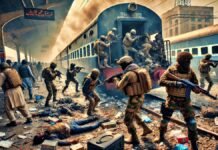
- Transport: Pakistan Railways has suspended all train services between Balochistan and the rest of the country for an indefinite period following the destruction of rail tracks and a bridge in Panjgur.
- Security Tiers: Aerial surveillance is ongoing, and roadblocks have been established at every major entry and exit point of the provincial capital.
Background: A Decades-Long Insurgency
This latest escalation comes against a backdrop of deep, seated grievances in Balochistan. For decades, the region has struggled with high poverty rates and unemployment despite its vast natural gas and mineral wealth. Separatist groups argue that the central government in Islamabad and foreign interests are exploiting the province’s resources without providing local benefits.
The “Operation Herof” offensive represents one of the most significant challenges to state authority in recent years. Baloch leader Sardar Akhtar Mengal described the current situation as unprecedented, warning that the province is rapidly transforming into a permanent battlefield. With both sides claiming success and skirmishes continuing into the night, the region remains on the edge of a full-scale humanitarian and security crisis.