


























Key Points:
- Trump imposes immediate 25% tariff on any country trading with Iran
- Iran protests death toll reaches at least 544 with over 10,000 arrested
- Major economies India, China, UAE, Turkey face significant trade disruption
- US considering airstrikes if Iran crosses “red line” against protesters
- Iran warns US military bases in region will be targeted if attacked
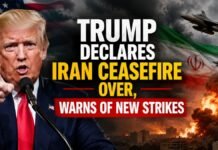
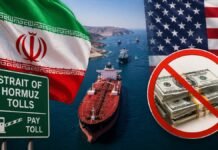
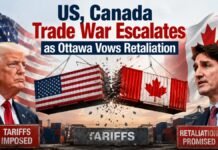
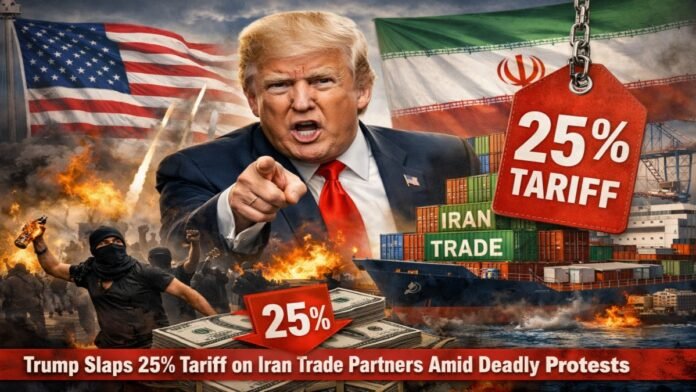
Donald Trump announced the new tariff order through a post on his social media platform, Truth Social, stating the measure would be implemented immediately with no room for changes. The president declared, “Effective immediately, any Country doing business with the Islamic Republic of Iran will pay a Tariff of 25% on any business being done with the United States of America. This Order is final and conclusive”. Trump believes this move will cut off economic support to Iran and pressure the government to accede to protesters’ demands. The announcement comes as human rights groups report nearly 600 deaths and thousands of arrests during the violent crackdown on demonstrations.
Impact on Global Trade
Experts believe the decision could severely disrupt global supply chains and trade relationships. Countries like China, India, Turkey, the UAE, Russia, and Brazil maintain significant trade ties with Iran and now face a 25% tariff on all business with the United States. This situation is particularly worrying for India, which has been heavily dependent on Iran for energy needs and has strategic investments like the Chabahar Port project. The US has already imposed 50% tariffs on India, among the highest in the world, including 25% for Delhi’s purchases of Russian energy. Major Indian exports to Iran include rice, tea, sugar, pharmaceuticals, and electrical machinery, while imports consist of dry fruits and chemicals. The tariff’s broad language leaves uncertainty about what constitutes “doing business” with Iran, raising questions about implementation and scope.
Warning of Military Action
White House Press Secretary Karoline Leavitt confirmed that President Trump is considering all options for action against Iran, including airstrikes. Leavitt stated, “Airstrikes would be one of the many, many options that are on the table,” while emphasizing that diplomacy remains the first option. Trump has clearly stated that if the Iranian military uses lethal force against protesters, the US is prepared to intervene, describing this as a threshold Iran is “beginning to cross”. The Pentagon has briefed the president regarding options for potential strikes targeting locations in Tehran, particularly those linked to domestic security forces responsible for assaults on protesters. Trump previously warned, “If Iran shoots and violently kills peaceful protesters, which is their practice, the United States of America will come to rescue. We are prepared and ready to act”.
Iran’s Response
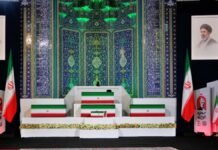
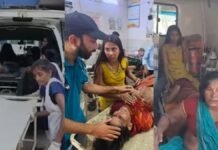
Iran’s Supreme Leader Ayatollah Ali Khamenei has blamed the United States and Israel for orchestrating the protests. He warned the US to stop interfering in Iran’s internal affairs and focus on its own domestic problems [original article]. Iran has made it clear that if it is attacked, US military bases in the region will be targeted for retaliation [original article]. The Iranian government has responded to demonstrations with a harsh crackdown, cutting off internet access and telephone services to prevent protesters from organizing. Security forces have fired live ammunition on demonstrators, with hospitals in Tehran and Shiraz reported to be overwhelmed by injured protesters suffering gunshot wounds. Iran’s foreign ministry spokesperson confirmed that security forces fired on protesters, drawing international concern over human rights violations.
Protests Intensify
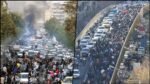
The protests, which began on December 28, 2025, have spread across all 31 provinces, with millions taking to the streets. The demonstrations initially sparked by economic dissatisfaction and currency crisis have evolved into calls for regime change. Rights groups report that at least 544 people have been killed over the past 15 days, including eight children, with over 10,681 individuals arrested. The deadliest crackdown occurred in Malekshahi, Ilam province, where security forces opened fire on protesters, killing at least five and injuring 30 others. Despite the internet blackout, verified footage shows thousands of demonstrators chanting “Death to Khamenei” in Tehran’s streets. The protests have spread to smaller towns and universities, with students openly calling for political reform.