



























Key Updates
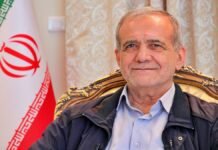
- Official Authorization: President Pezeshkian issued a formal order on February 2, 2026, for negotiations to begin “strictly within the framework of the nuclear issue,” signaling a major shift in Tehran’s stance.
- Mixed Signals: While US and regional officials expect a meeting on Friday, February 6, Iranian media outlets like Tasnim have cautioned that the framework is still being finalized and the meeting is at a “preliminary stage.”
- Regional Coalition: Foreign ministers from Turkey, Qatar, Egypt, Saudi Arabia, Oman, and Pakistan are set to attend, while Jordan and others have officially denied the use of their airspace for any potential US strikes.
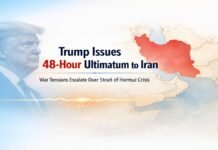
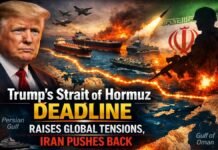
- US Pressure: President Trump confirmed ongoing contact with Tehran on Monday, pairing the diplomatic push with the arrival of a massive naval armada currently just “days away” from the Iranian coast.
- Economic Impact: Global oil prices fell sharply to $66.50 a barrel on Monday as markets reacted to the sudden pivot toward a potential diplomatic settlement.
Diplomatic Reengagement Amid Military Tensions
The diplomatic landscape in the Middle East has shifted toward a critical juncture as the United States and Iran prepare for what could be their first face-to-face engagement in years. Scheduled for February 6, 2026, in Istanbul, the meeting represents a desperate effort to resolve a nuclear dispute that has brought the two nations to the brink of open warfare. This strategic initiative seeks to reactivate the diplomatic nuclear negotiation process, aiming to significantly reduce the risk of a regional war that has loomed over the Persian Gulf for months.
The impetus for these talks comes at a time of extreme volatility. The United States has significantly increased its military presence off the coast of Iran, with President Trump recently highlighting the arrival of a naval “armada,” including an aircraft carrier strike group, as a leverage tool. Concurrently, the Iranian leadership is grappling with the aftermath of internal crises and widespread domestic protests that reportedly resulted in nearly 3,000 deaths in January, leading some analysts to believe that Tehran is negotiating from a position of strategic vulnerability.
High-Level Representation and Regional Support
Unlike previous rounds of indirect communication, the Istanbul summit is expected to see a broader coalition of regional stakeholders. US Special Envoy Steve Witkoff and Iranian Foreign Minister Abbas Araghchi are the central figures, but they may be joined by Jared Kushner, who sources suggest will attend to facilitate the talks. Representatives from key neighboring countries, including Saudi Arabia, Egypt, Qatar, and the United Arab Emirates, will be present. Their participation underscores a collective regional push for de-escalation, as many Gulf states have explicitly denied the use of their territory for any potential US military offensive.
Turkish Foreign Minister Hakan Fidan has been instrumental in bridging the gap between Washington and Tehran, following a high-stakes visit by Araghchi to Istanbul on January 30. While President Trump has expressed a cautious hope for a deal, he warned reporters in the Oval Office on Monday that “bad things” would happen should diplomacy fail, maintaining his dual-track approach of maximum pressure and open-door diplomacy.
The Trump Administration’s Framework
President Donald Trump has outlined three stringent conditions for a sustainable agreement. These requirements include a total halt to uranium enrichment, permanent limits on Iran’s ballistic missile program, and a complete cessation of support for regional non-state actors. While Iran has historically viewed these demands as an attack on its sovereignty, recent reports suggest a shift in the clerical leadership’s calculus.
The June 2025 airstrikes, which targeted several Iranian nuclear facilities, have reportedly altered the reality on the ground. Some experts suggest that with much of its infrastructure already damaged, Iran may be more willing to codify a suspension of enrichment in exchange for immediate economic relief. This “zero enrichment” reality, as described by some analysts, allows Tehran the kind of flexibility they lacked in previous years.
Iran’s Strategic Flexibility and Red Lines
Iranian officials have indicated a willingness to show flexibility regarding their enriched uranium stockpiles, including the potential transfer of 400 kilograms of highly enriched material to a third party. However, internal divisions remain evident, with some senior advisers to the Supreme Leader publicly denying that any transfer of material is on the table. The Iranian Foreign Ministry maintains that a conducive environment for negotiations requires the US to move its naval assets away from the region.
Internal pressure remains a deciding factor for Tehran. Reports from within the Iranian government suggest that leadership is concerned that further military tension or continued economic sanctions could reignite domestic unrest, which peaked in January. For the Iranian administration, the primary demand remains “the removal of unjust sanctions” to stabilize a national currency that has been crippled by the latest round of US pressure.