























Key Points
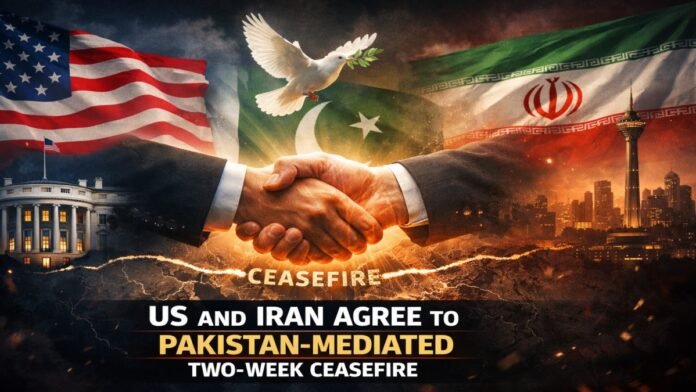
- Two-week suspension of all military activities between the U.S. and Iran.
- Immediate reopening of the strategic Strait of Hormuz for maritime traffic.
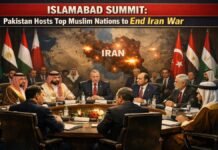
- Diplomatic negotiations are scheduled to begin this Friday in Islamabad, Pakistan.
- Iran’s 10-point proposal has been accepted by Washington as a “workable basis” for peace.
- Global oil prices dropped 13% immediately following the announcement of the pause in hostilities.
Tensions De-escalate After Dramatic Ultimatum
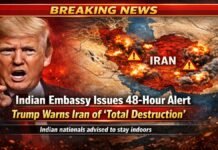
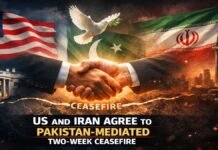
In a significant diplomatic breakthrough, U.S. President Donald Trump announced late Tuesday that the United States and Iran have agreed to a two-week ceasefire. The decision, revealed on the social media platform Truth Social, comes just hours after a period of extreme global anxiety. Earlier in the day, the President had issued a stark warning, stating that a “whole civilization” could be wiped out if Iran did not meet an 8 p.m. ET deadline to reopen the Strait of Hormuz.
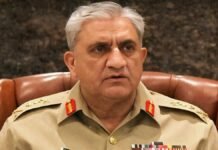
However, as the deadline approached, a softer diplomatic tone emerged. President Trump credited his conversations with Pakistani Prime Minister Shehbaz Sharif and Field Marshal Asim Munir for the breakthrough. Under the terms of the agreement, the U.S. will suspend its planned bombing campaign in exchange for a temporary halt to Iranian defensive operations and the restoration of safe passage through one of the world’s most vital energy corridors.
The Role of International Mediators
While Pakistan acted as the primary intermediary, reports indicate that China played a pivotal role behind the scenes by urging Tehran to de-escalate. The ceasefire deal was reportedly accepted only after receiving the explicit approval of Iran’s top leadership.
The agreement marks the first major pause in a conflict that erupted on February 28, 2026, following joint U.S. and Israeli strikes on Iranian territory. Those strikes occurred amid the reported death of Iran’s Supreme Leader, Ayatollah Ali Khamenei, triggering six weeks of intense military exchanges that have disrupted global trade and claimed thousands of lives.
Terms and Technical Protocols
Iranian Foreign Minister Abbas Araghchi confirmed the suspension of hostilities, noting that if attacks against Iran cease, their military forces will likewise suspend their defensive operations. A central component of the deal is the reopening of the Strait of Hormuz. According to Iranian officials, transit will be permitted subject to specific security and technical protocols, including a reported $2 million fee per ship to be split between Iran and Oman to assist with regional reconstruction.
The U.S. administration has signaled that it will use this 14-day window to pursue a more permanent resolution. The upcoming talks in Islamabad will focus on a 15-point proposal from the U.S. and a 10-point plan submitted by Iran. While Israeli officials have expressed skepticism, noting that Iran has not yet met long-term demands such as the total removal of nuclear materials, the White House has characterized the current framework as a necessary step toward achieving a comprehensive peace agreement.
With diplomatic teams preparing for Friday’s summit, the global community remains cautiously optimistic. This two-week window is viewed not merely as an opportunity to alleviate immediate tensions but also as a significant step toward stabilizing a region that has stood on the precipice of total war.