

























Key Points:
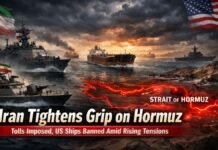
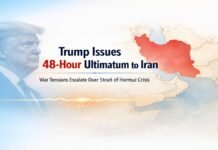
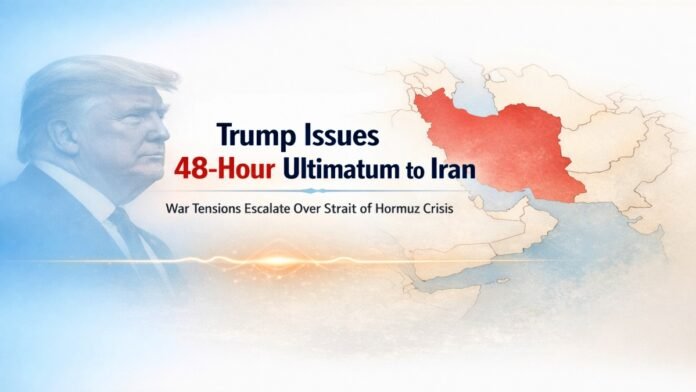
- Trump demands Iran reopen the Strait of Hormuz within 48 hours or face severe consequences.
- The ultimatum follows a previous 10-day extension granted after Iran allowed oil tankers to pass.
- Tensions escalated after Iran shot down two U.S. military aircraft, including a fighter jet and an A-10 Warthog.
- U.S. Defense Secretary Pete Hegseth is under fire in the “SignalGate” scandal for leaking operational details.
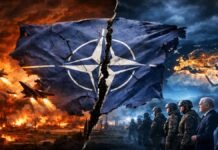
- Key NATO allies, including France and the UK, are refusing to support the unilateral U.S. offensive.
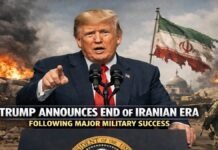
All eyes across the globe have once again turned toward the Middle East, as U.S. President Donald Trump has issued his sternest warning to date against Iran. Delivering an ultimatum in unequivocal terms, Trump stated that Tehran now has only 48 hours remaining to reach an agreement and reopen the strategically vital Strait of Hormuz.
The President’s statement has sent shockwaves through international diplomacy and global markets. He made it clear that if no concrete deal is reached within this stipulated timeframe, the situation could deteriorate severely, warning that Iran may find itself facing a scenario where “all hell will reign down on them.” This drastic escalation follows the joint U.S. and Israeli offensive against Iran that began in late February 2026.
A 10-Day Reprieve and the Strait of Hormuz
This is not the first time Trump has imposed a strict deadline on Iran. Previously, on March 26, he granted Iran a 10-day reprieve, temporarily pausing planned strikes on energy infrastructure. At that time, Trump’s primary demand was that Iran either agree to a peace deal or fully open the Strait of Hormuz to international shipping traffic.
The extension was partially granted after Tehran allowed ten Pakistani-flagged oil tankers to pass through the strait as a goodwill gesture. Trump has asserted that, given a little more time, the U.S. could easily secure the Strait of Hormuz and generate substantial profits by managing the region’s oil flow.
The Discrepancy Between Rhetoric and Reality
Trump has repeatedly claimed that the U.S. has debilitated Iran, asserting that its military and radar systems have been heavily compromised and declaring premature victories. However, the reality on the ground tells a markedly different story.
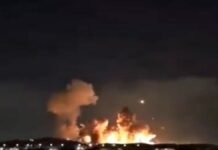
Recently, Iran shot down a U.S. fighter jet over central Iran. While one crew member was successfully rescued following the crash, the search for the second pilot remains ongoing. Compounding the crisis, Iranian state media reported the downing of a second U.S. military plane, an A-10 Warthog, near the Strait of Hormuz. These events clearly demonstrate that Iran still retains formidable anti-aircraft capabilities and the power to launch retaliatory strikes.
Adding to the administration’s woes is the growing “SignalGate” scandal involving U.S. Defense Secretary Pete Hegseth. A recently released Pentagon Inspector General report confirmed that Hegseth shared sensitive, classified information regarding military airstrikes in Yemen over the Signal messaging app. This major security breach included sharing strike times and aircraft details in a group chat, severely risking the safety of U.S. personnel and pilots.
Allies Turn Their Back on the U.S.
Amidst this grave and expanding crisis, the United States finds itself increasingly isolated on the international stage. Key allies, such as French President Emmanuel Macron and British Prime Minister Keir Starmer, have flatly refused to get involved in this widening war. Macron asserts that the United States initiated this conflict without any prior consultation, meaning it should not expect European assistance.
NATO nations have also broadly declined to support the U.S. in this matter. Even within the United States, Trump’s unilateral decision-making approach and ongoing internal administration scandals are facing sharp, mounting criticism.