
































Key Points
- Trump calls China “very clever,” accuses Beijing of exploiting European markets
- Warns Europe is moving in “wrong direction,” says some regions are “unrecognizable”
- Doubles down on Greenland policy, claims he’s “trying to save Denmark” despite NATO criticism
- Xi Jinping refuses to join Trump’s “Board of Peace” proposal on Gaza
- Trump touts US “economic miracle,” claims inflation has decreased
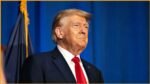
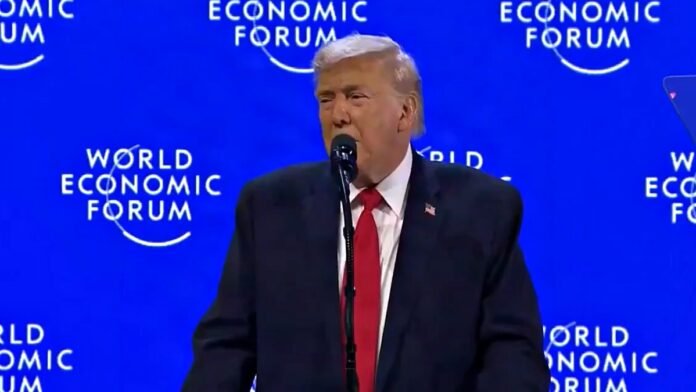
President Donald Trump used his World Economic Forum platform on Wednesday to deliver sharp criticism of major US allies and adversaries alike, questioning the strategic direction of European nations while escalating his rhetoric against China. The speech, delivered before global business and political leaders, highlighted growing transatlantic tensions and the limits of American diplomatic influence.
Trump’s characterization of China as a “very clever country” carried a dual meaning, combining grudging admiration with sharp criticism. He alleged that Beijing is systematically penetrating European markets through calculated trade strategies, exploiting what he described as Europe’s weakened economic position. The president expressed particular concern about the continent’s trajectory, stating that some parts of Europe are “no longer recognizable” and are “changing in a very negative way.”
The address intensified controversy surrounding Trump’s Greenland policy, which has drawn strong opposition from NATO allies and European governments. Despite widespread criticism, Trump clarified his position by claiming he maintains “great respect for the people of Greenland.” In a surprising statement that caught diplomats off guard, he asserted that his aggressive posture toward the Danish territory is actually an effort to “save Denmark” from unspecified threats.
European officials have vocally opposed Trump’s Greenland stance, viewing it as a violation of sovereign territory and a stress test for NATO solidarity. The president’s latest justification appears aimed at reframing the debate as a protective measure rather than territorial expansion, though allies remain skeptical of his intentions.
On the economic front, Trump presented an optimistic report card of his administration’s achievements, declaring he has pulled the US out of economic stagnation. He claimed inflation has decreased and the country is developing rapidly, calling America the world’s “economic engine.” The president argued that global prosperity follows American economic success, positioning the US as the primary driver of international growth.
The speech coincided with a significant diplomatic setback for Trump’s Middle East policy. Chinese President Xi Jinping has formally refused to participate in Trump’s “Board of Peace” initiative concerning Gaza, representing a notable rejection of American leadership on a key international issue. China’s distance from the proposal underscores Beijing’s reluctance to align with US diplomatic frameworks and signals its independent approach to regional conflicts.
The Gaza development, combined with Trump’s harsh words for Europe and China, suggests a period of increased geopolitical friction. Analysts note that simultaneous criticism of multiple major powers while pursuing territorial claims could strain diplomatic relationships needed for addressing global challenges.