


























Key Points
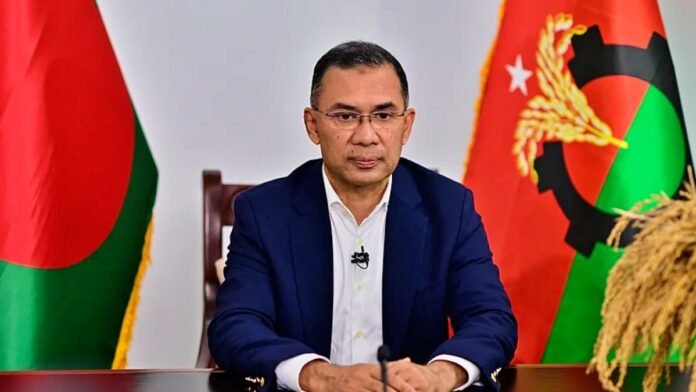
- Leadership Transition: Tarique Rahman officially assumes power after leading the BNP from London for nearly two decades.
- Diplomatic Pivot: The BNP signals a move away from hardline rhetoric, prioritizing dialogue with India.
- Trade Stability: Despite extradition demands for Sheikh Hasina, the BNP confirms trade relations will remain unaffected.
- Indian Representation: Lok Sabha Speaker Om Birla will represent India at the swearing-in ceremony.
The political landscape of Bangladesh reaches a historic crossroads this Tuesday as Tarique Rahman, the son of the late Khaleda Zia, prepares to be sworn in as Prime Minister. Taking the reins of the Bangladesh Nationalist Party (BNP) following his mother’s passing last year, Rahman’s ascension marks the end of a long period of exile and a significant shift in the country’s governance.
As the nation prepares for the ceremony, the BNP has issued a strategic and reconciliatory message aimed at its largest neighbor, India. BNP General Secretary Mirza Fakhrul Islam Alamgir clarified that the new administration intends to resolve long-standing bilateral issues through diplomatic channels rather than confrontation.
Navigating India-Bangladesh Relations
Relations between Dhaka and New Delhi have faced significant strain since the collapse of Sheikh Hasina’s government in August 2024. The primary point of contention remains India’s decision to grant asylum to Hasina, whom the BNP seeks to extradite on charges of human rights violations.
However, Alamgir has emphasized that this legal and political pursuit will not be allowed to paralyze the economy. He stated that while the party seeks justice regarding the former Prime Minister, her presence in India will not hinder essential trade and commercial ties. The BNP’s stance suggests a pragmatic approach, ensuring that the “Sheikh Hasina issue” does not obstruct the broader advancement of bilateral cooperation.
Diplomacy Over Confrontation
In a notable departure from the more aggressive rhetoric of the past, the BNP has adopted a softer, more realistic tone regarding regional security. Alamgir addressed the future challenges of the administration, including the looming 2027 renewal of the Ganges Water Treaty and the persistent issue of border killings.
“We cannot wage war with India,” Alamgir stated, dismissing more radical voices within the political sphere. “We must negotiate. Those who talk of fighting India are talking like crazy.”
The incoming government intends to leverage its 31-point reform agenda to modernize the nation, with a specific focus on enhancing digital infrastructure and expanding trade partnerships across South Asia.
International Recognition and the Swearing-In
While Prime Minister Narendra Modi extended his congratulations to Tarique Rahman via telephone following the election victory, he will not be attending the ceremony in person. Instead, India will be represented by Lok Sabha Speaker Om Birla, a move that maintains high-level diplomatic presence while navigating the delicate transition.
During their phone conversation, Prime Minister Modi reiterated India’s commitment to supporting an “inclusive Bangladesh,” a sentiment that aligns with Rahman’s recent efforts to present a more balanced and moderate image.
From Exile to the Prime Minister’s Office
Tarique Rahman’s journey to the premiership has been defined by 17 years of exile in London. Once known for a more turbulent relationship with New Delhi during the BNP’s 2001, 2006 tenure, Rahman appears to have returned with a mature political outlook. Since his return, he has notably refrained from anti-India remarks, focusing instead on a foreign policy dictated by the “best interests of Bangladesh.”
BNP leadership remains optimistic that, as two democratic neighbors, both India and Bangladesh can respect their respective mandates and collaborate on shared goals of regional stability and economic development.