



















Key Highlights
- Atmospheric Fallout: Following the March 7 strikes, Tehran experienced “black oily rain” on Sunday, a result of atmospheric scavenging of soot and hydrocarbons.
- Transboundary Threat: The Pakistan Meteorological Department (PMD) warned on March 9 that prevailing winds are carrying toxic smoke toward the 900-kilometer border.
- Health Emergency: The Iranian Red Crescent and WHO have cautioned that the air contains dangerous levels of sulfur and nitrogen oxides, capable of causing chemical burns and permanent lung damage.
- Darkened Skies: Plumes from the Shahran and Ray refineries were so dense they blotted out the sun in the capital, forcing residents to use indoor lights during the day.
- Pakistan on Alert: Western regions, including Balochistan, are bracing for a severe drop in air quality through March 12, compounded by a predicted westerly weather wave.
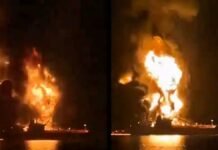
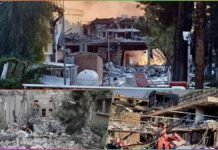
The military confrontation between Iran, the United States, and Israel, which began on February 28, 2026, under “Operation Epic Fury,” has shifted from a tactical conflict into a full-scale ecological disaster. On the night of March 7, coordinated airstrikes targeted Iran’s most critical energy hubs, including the Shahran oil depot in northwestern Tehran, the Ray refining complex, and facilities in Karaj. The resulting infernos released millions of tons of unrefined oil and toxic particulates into the atmosphere.
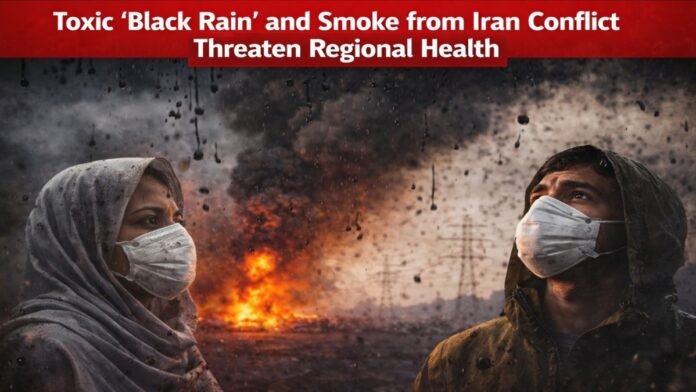
By the morning of March 8, the Iranian capital of 10 million people woke up to a “toxic blackout.” Witnesses and international correspondents described a scene of apocalyptic proportions as thick, suffocating smoke blotted out the sun, turning day into night. When a weather system moved over the city, it produced a phenomenon known as “black rain,” in which rainwater mixed with airborne soot and oil, coating streets, vehicles, and buildings with a sticky, black residue.
Regional Repercussions: Pakistan Issues Pollution Alerts
The crisis is no longer contained within Iranian borders. On Monday, March 9, the Pakistan Meteorological Department (PMD) issued a high-level advisory for the country’s western regions. Given the nearly 900-kilometer shared border between Iran and Pakistan’s Balochistan province, experts are concerned that transboundary pollution will severely degrade air quality for millions of Pakistani citizens.
The PMD’s Weekly Weather Outlook for March 10 to 16 indicates that a westerly wave will persist until March 12, potentially trapping these pollutants near the ground and causing “smog-like” conditions in border districts. Residents in western Pakistan have been advised to closely monitor air quality indices, as smoke from burning oil installations can travel thousands of kilometers before settling.
A Growing Medical Crisis
The health implications are immediate and severe. The Iranian Red Crescent Society, supported by the World Health Organization (WHO), has reported a surge in respiratory distress, migraines, and stinging eyes among Tehran’s population. The smoke contains high concentrations of polycyclic aromatic hydrocarbons (PAHs), which are known carcinogens, along with sulfur dioxide and nitrogen oxides.
When these chemicals mix with moisture, they form acid rain that can cause chemical burns on skin contact and severe inflammatory responses in the lungs. In Tehran, fuel rations have already been slashed from 30 to 20 liters per day to manage the shortage caused by the destruction of the depots. At the same time, the governor has mandated the use of specialized masks for anyone venturing outdoors.
Silent Victim of War
Environmental experts, including Shina Ansari, head of Iran’s Department of Environment, have labeled the systematic destruction of oil sites as “ecocide.” Beyond the immediate health risks, the toxic fallout is expected to contaminate soil and water supplies for years to come. As the conflict enters its 11th day, the environmental “silent victim” of the war is rapidly becoming a loud, regional emergency that may outlast the military strikes themselves.