



























Key Points:
- Over 217 protesters killed in Tehran according to hospital doctor, human rights groups confirm at least 63 deaths nationwide
- Internet connectivity reduced to 1% of normal levels as regime imposes total digital blackout
- Protests spread to 27 of Iran’s 31 provinces, with more than 2,200 arrests reported
- Iranian rial trades at 1.47 million per US dollar, inflation reached 52.6% in December
- Supreme Leader Khamenei blames US, calls protesters “vandals” as Trump warns US is “locked and loaded”
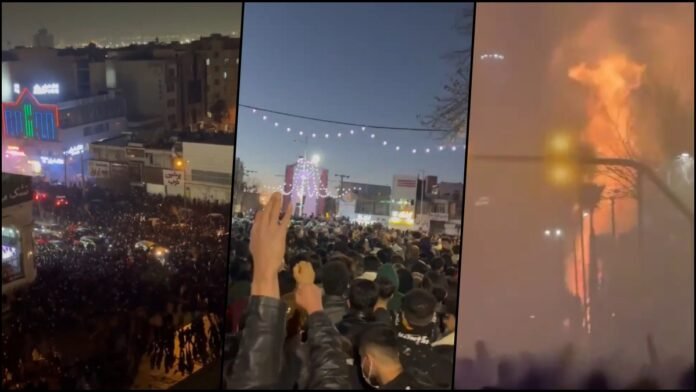
Public anger has erupted against the Khamenei government in Iran, with large numbers of people taking to the streets for 14 consecutive days. According to the Institute for the Study of War, protests have intensified since January 7 and spread throughout the country, with widespread anger witnessed from the capital Tehran to northwestern Iran. The demonstrations began with traders protesting the collapse of the Iranian rial but have transformed into broader demands for regime change. The US-based Human Rights Activists News Agency (HRANA) reports that protests have reached over 250 locations across 27 of Iran’s 31 provinces.
Protests Turn Violent as Death Toll Climbs
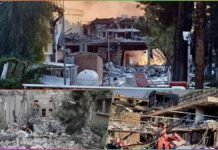
As protests escalated, the government imposed a nationwide internet blackout, limiting connectivity to just 1% of ordinary levels. In many places, protests have turned violent with security forces opening fire on demonstrators. A Tehran doctor told Time magazine on condition of anonymity that just six hospitals in the capital recorded at least 217 protester deaths, “most by live ammunition”. The doctor reported that authorities removed corpses from hospitals on Friday, with most victims being young people, including several killed outside a northern Tehran police station when security forces sprayed machine gun fire. Human rights organizations monitoring violations, including HRANA, Iran Human Rights, and the Hengaw Organization for Human Rights, have confirmed at least 63 deaths since the protests began. The documented fatalities include 29 protesters, eight security personnel, and five children or adolescents.
Economic Crisis Fuels Unrest
Iran’s economy has been under severe pressure, mainly due to sanctions imposed by the United States and European countries related to its nuclear program. The situation has been exacerbated by regional tensions, including the 12-day war with Israel last June. The Iranian currency has depreciated significantly, with the dollar trading at 1.47 million rials, and the euro at 1.72 million rials. According to official data, inflation reached 52.6% in December, while the IMF expects Iran’s inflation rate to decline marginally to 41.6% this year. The government announced a monthly allowance of 40 million rials for a family of four, worth approximately $26 at current market rates, breaking down to about 22 US cents per person daily.
Government Crackdown and International Response
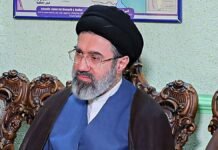
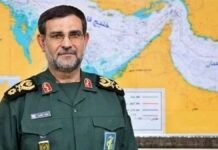
The Islamic Revolutionary Guard Corps has been deployed in several areas as the government takes strict measures to control protests. Supreme Leader Ayatollah Ali Khamenei has blamed the United States for the protests, labeling demonstrators as “vandals” and asserting that the regime “will not back down”. Tehran’s prosecutor declared that protesters could face the death penalty, while an IRGC official warned parents to keep children away from protests. US President Donald Trump posted that his country would come to the “rescue” of protesters if the Iranian Government continued to authorize lethal force, stating, “We are locked and loaded and ready to go”. More than 2,277 people have been arrested in 12 days of protests, with detention centers run by the IRGC and Ministry of Intelligence reported to be overcrowded.