































Key Points
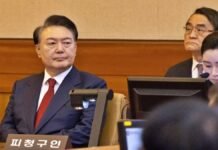
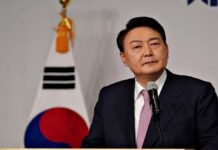
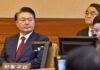
- Prosecutors demanded death penalty for Yoon Suk-yeol in closing arguments at Seoul Central District Court on January 13, 2026.
- Yoon declared martial law on December 3, 2024, allegedly to block parliament and arrest opposition leaders.
- Constitutional Court upheld his impeachment in April 2025, removing him from presidency.
- Yoon faces total of seven criminal charges, including insurrection, obstruction of justice, and benefiting the enemy.
- Trial involves eight defendants, including former Defense Minister Kim Yong-hyun and former police chief Cho Ji-ho.
- Prosecutors also sought 10-year prison sentence for obstruction charges, with verdict expected Friday.
- South Korea has not executed anyone since 1997, making actual execution highly unlikely.
The main charge against Yoon Suk-yeol is that he unconstitutionally declared martial law on December 3, 2024, in what prosecutors describe as a grave act of constitutional destruction by anti-state forces. According to special prosecutors, he attempted to use the military to block parliament and arrest opposition leaders in an effort to cling to power, constituting the ringleader of an insurrection who sought to stay in power by seizing control of the judiciary and legislature.
Under South Korean law, the principal conspirator in a rebellion faces either the death penalty or life imprisonment, making the prosecution’s demand for capital punishment legally permissible though historically unprecedented for a former president. The insurrection trial has been combined with those of seven other prominent officials, including former Defense Minister Kim Yong-hyun and former National Police Agency chief Cho Ji-ho, who are accused of playing key roles in executing the martial law operation.
From Presidency To Prison
Yoon Suk-yeol’s downfall began in January 2025 when he was arrested while still in office, becoming the first sitting president in South Korea to be taken into custody. Subsequently, in April 2025, the Constitutional Court upheld his impeachment, leading to his removal from the presidency and cementing his status as a criminal defendant rather than a head of state.
He is currently incarcerated and facing a total of seven separate criminal charges, with prosecutors seeking life imprisonment for former Defense Minister Kim Yong-hyun and a 30-year prison sentence for another senior military official, Noh Sang-won. The court has extended Yoon’s detention multiple times, citing risks of evidence destruction, and he has remained in custody since his rearrest in July 2025.
What Are The Charges Against Yoon Suk-yeol?
In addition to the rebellion charges, Yoon Suk-yeol faces several other serious accusations that demonstrate a pattern of constitutional violations and abuse of power. He is charged with interfering with the judicial process and abusing his authority, with investigations into corruption and bribery allegations also underway.
Furthermore, his decision to send military drones towards North Korea has sparked significant controversy, being considered a sensitive and provocative move that led to separate charges of benefiting the enemy. Prosecutors have presented evidence, including testimony from a military commander who stated Yoon instructed the arrest of lawmakers, and a memo from a martial law planner suggesting “disposing” of hundreds of individuals, including journalists, labor activists, and legislators.
Defense And Prosecution Arguments
In court, Yoon’s lawyers argued that the declaration of martial law was a “political decision” that falls outside the purview of judicial review, claiming the president has constitutional authority to make such determinations. However, the prosecution vehemently rejected this claim, asserting that it was a criminal attempt to dismantle the country’s democratic framework, demanding the harshest possible punishment.
Prosecutors accused Yoon of showing “no remorse” for actions that threatened “constitutional order and democracy,” stating that “the greatest victims of the insurrection in this case are the people of this country”. They argued there are no mitigating circumstances to be considered in sentencing, and instead ,a severe punishment must be imposed to protect South Korea’s democratic institutions. A verdict is expected in February 2026, though experts believe life imprisonment is more likely than execution, given South Korea’s unofficial moratorium on capital punishment since 1997.