




























Key Points
- Saudi Arabia assures Iran its territory won’t be used for US attacks
- Trump administration threatens military action against Iran
- Pakistan remains silent despite Islamic unity rhetoric
- Iran closed airspace indefinitely amid security concerns
- Saudi stance signals major political win for Tehran
A senior Saudi Foreign Ministry source confirmed to media outlets that Riyadh has explicitly communicated to Tehran that it will not participate in any US-led coalition against Iran. This position is particularly significant given Saudi Arabia’s status as a key US ally in the Middle East, hosting several American military installations, including the strategically important Prince Sultan Air Base.
The assurance represents a remarkable departure from decades of proxy conflicts and ideological rivalry between the Sunni-majority Saudi kingdom and Shia-dominated Iran. Relations reached a nadir in 2016 when Riyadh severed diplomatic ties after Iranian protesters attacked its embassy in Tehran, and the two nations have backed opposing sides in Yemen, Syria, and Lebanon.
Trump’s Escalating Rhetoric
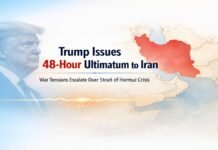
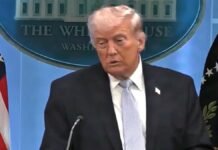
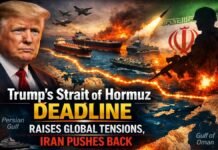
US President Donald Trump has issued multiple warnings to Iran, threatening “severe consequences” if Tehran proceeds with uranium enrichment beyond agreed limits. The administration has also accused Iran of orchestrating attacks on commercial shipping in the Persian Gulf and supporting Houthi rebels in Yemen.
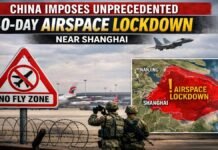
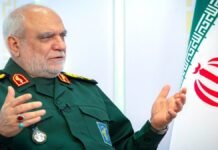
In response, Iran closed its airspace indefinitely, citing “regional security threats” and began large-scale military exercises near the Strait of Hormuz. Iranian officials have warned that any attack on its territory would trigger retaliation against US assets and allies in the region.
Pakistan’s Conspicuous Silence
Despite frequently championing Islamic unity, Pakistan has refrained from taking concrete steps to support Iran. Islamabad’s cautious approach stems from its economic dependence on Saudi Arabia and the United Arab Emirates, as well as its desire to maintain relations with Washington. Pakistani officials have limited their response to generic calls for restraint, avoiding direct criticism of US policy.
This contrasts sharply with Turkey’s position, which has offered to mediate between Washington and Tehran, and Qatar’s diplomatic outreach to both sides.
Regional Stability Implications
Saudi Arabia’s neutral stance could significantly impact regional stability by reducing the likelihood of a wider conflict. The kingdom’s refusal to allow its territory for US operations limits American military options, potentially forcing Washington to rely on naval assets in the Arabian Sea or bases in Kuwait and Bahrain.
The development also signals a pragmatic shift in Saudi foreign policy, prioritizing national security over sectarian alliances. Crown Prince Mohammed bin Salman has pursued de-escalation with Iran since 2021, following devastating attacks on Saudi oil facilities that Riyadh blamed on Tehran.
Broader Islamic World Realignment
This assurance sends powerful signals across the Islamic world, suggesting that the traditional Shia-Sunni divide may be giving way to national interest calculations. The Organization of Islamic Cooperation has remained largely silent on the US-Iran tensions, reflecting deep divisions within the 57-member body.
Analysts view Saudi Arabia’s move as a strategic attempt to avoid being drawn into a conflict that could destabilize the entire Gulf region and threaten global oil supplies. The kingdom’s economy remains heavily dependent on oil revenues, and any disruption to shipping through the Strait of Hormuz would have catastrophic economic consequences.