





























Key Points:
- Nearly 130,000 customers affected at peak, 40,000 remained without power by 9:30 PM Saturday
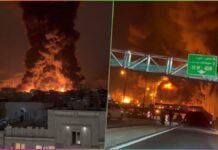
- Fire at five-story PG&E substation at 8th and Mission Streets triggered the blackout
- Richmond, Sunset, Haight Ashbury, Downtown, and Golden Gate Park areas hardest hit
- Waymo suspended driverless taxi services, highlighting tech vulnerability
- San Francisco Ballet canceled Nutcracker performance, BART and Muni stations closed
- Digital payment systems failed, mobile networks slowed as Wi-Fi went down
- Power restoration expected to take several hours, grid stabilized but repairs ongoing
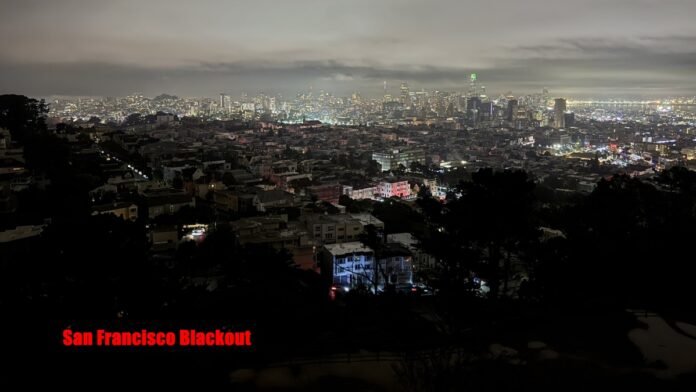
San Francisco, America’s prestigious technology capital, experienced a catastrophic power outage on Saturday evening that plunged nearly a third of the city into darkness, exposing the vulnerability of even the world’s most advanced urban infrastructure. The hours-long blackout, triggered by a substation fire, created chaotic scenes of residents navigating streets by mobile phone flashlights and forced widespread closures of businesses during the critical holiday shopping period.
Scale and Scope of the Outage
According to PowerOutage.com, approximately 130,000 customers lost electricity at the peak of the crisis, representing nearly 32% of San Francisco’s total 414,000 electricity customers. By 9:30 PM Saturday, utility crews had managed to restore power to about 90,000 customers, but 40,000 remained in darkness with no immediate relief in sight.
The outage struck with particular severity across San Francisco’s northern and western neighborhoods. The Richmond and Sunset districts, home to hundreds of thousands of residents, were completely blacked out. The iconic Haight Ashbury neighborhood, Downtown commercial district, areas surrounding Golden Gate Park, and the historic Presidio were all affected. Even the illuminated dome of City Hall, normally a beacon of civic pride, was left in darkness, symbolizing the city’s powerless state.
The Substation Fire: Root Cause
The San Francisco Fire Department identified the source as a blaze at the Pacific Gas & Electric substation located in the heart of the city at 8th and Mission Streets. The fire was first reported around 2:00 PM at the five-story windowless building that serves as a critical node in the city’s power distribution network.
Firefighters battled the blaze for hours, with the fire brigade advising residents to stay away from the area around 8th and Mission Streets due to safety concerns. While officials confirmed the fire was a major factor in the power outage, they have not definitively established whether it was the sole cause or if other grid failures contributed to the cascading blackout.
PG&E issued a statement on social media platform X, acknowledging the crisis and claiming that the grid has been stabilized with no further power outages expected. However, the utility’s messages to affected customers indicated that complete power restoration could take several hours, suggesting extensive damage to substation equipment that requires complex repairs.
Tech Hub’s Vulnerability Exposed
The irony of a tech capital brought to its knees by a power failure was not lost on residents and media observers. Waymo, the Alphabet-owned driverless taxi company that has become synonymous with San Francisco’s autonomous vehicle revolution, was forced to temporarily suspend its services across the affected areas. The company’s fleet of robotaxis, which rely entirely on electric charging infrastructure and constant connectivity, became inoperable when charging stations lost power and communication networks faltered.
Digital payment systems, the backbone of San Francisco’s cashless economy, failed across many businesses. Mobile networks initially remained operational as they switched to backup power, but data speeds slowed dramatically after Wi-Fi networks went down across the city. Some cell towers eventually stopped working as their backup batteries depleted, further isolating residents.
Transportation and Cultural Disruption
The Bay Area Rapid Transit (BART) system, which serves as the region’s lifeline, closed the Powell Street and Civic Center stations in downtown San Francisco, stranding thousands of commuters. Muni light rail service was severely affected because the power outage impacted the train control system, forcing operators to implement emergency bus bridges that moved at a fraction of normal capacity.
Traffic continued to flow in most areas, although signal outages forced drivers to navigate intersections cautiously, treating them as four-way stops. This led to significant congestion and several minor accidents. People were stranded at gas stations trying to fill their vehicles, but pumps shut down immediately after the power outage began. One gas station employee summed up the situation bluntly, “Without power, there’s no business.”
The cultural impact was equally significant. The San Francisco Ballet canceled its highly anticipated Nutcracker performance, disappointing hundreds of ticket holders and resulting in substantial financial losses for the prestigious arts organization during its peak season.
Economic Impact and Christmas Weekend Woes
The timing of the outage over the Christmas weekend exacerbated economic hardships for businesses already struggling with holiday staffing and supply chain issues. Retail stores in affected areas were forced to close during one of the busiest shopping periods of the year, losing thousands of dollars in revenue per hour.
Restaurants, which had stocked up for weekend crowds, watched perishable inventory spoil without refrigeration. Hotel guests in affected areas were evacuated or accommodated without essential services. The total economic impact is estimated to run into millions of dollars, though PG&E has not yet announced any compensation plans.
Current Status and Restoration Efforts
As of Sunday morning, PG&E crews were working around the clock to repair the damaged substation. The utility has brought in emergency equipment from neighboring regions and is conducting thorough safety inspections before restoring power to prevent further incidents. Officials have not provided a definitive timeline for full restoration but indicated that most customers should have power restored by Sunday evening.
The incident has reignited debates about San Francisco’s aging infrastructure and the need for grid modernization. Community leaders are calling for investigations into PG&E’s maintenance practices and demanding answers about why a single substation fire could cascade into such a widespread outage.