Key Points
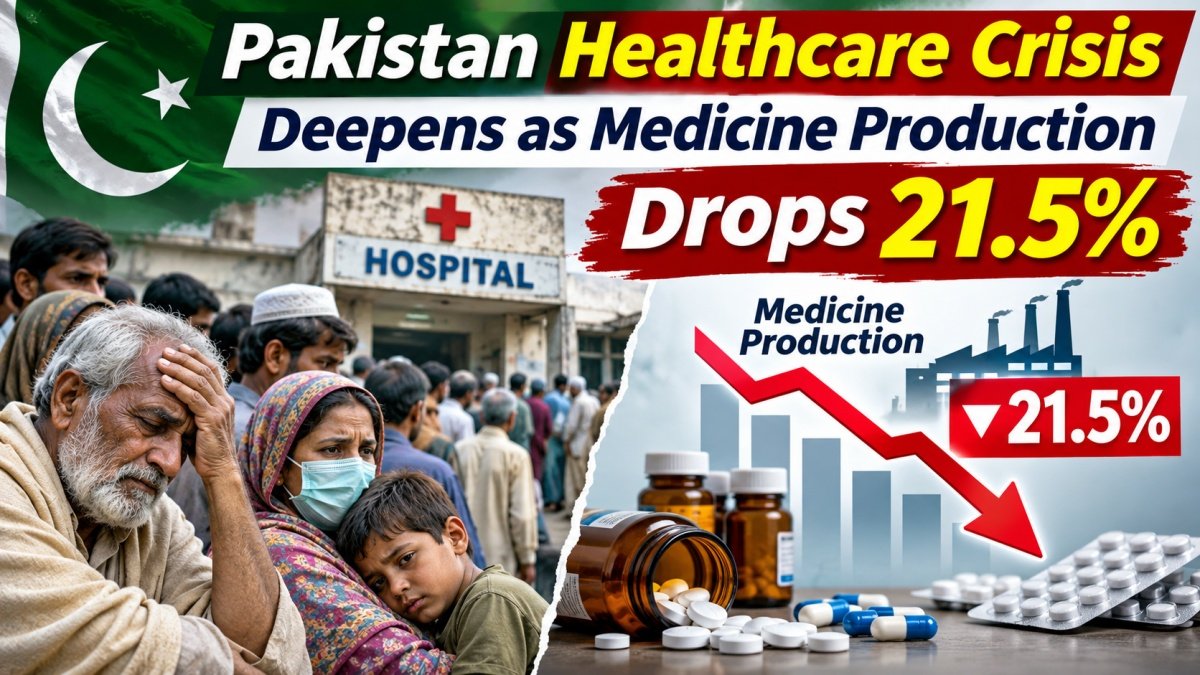
- Sharp Production Drop: Pharmaceutical manufacturing in Pakistan has declined by 21.5% due to severe hurdles in importing raw materials.
- Banking Bottlenecks: Commercial banks are approving only about half of the Letters of Credit (LCs) requested by drugmakers amid tight foreign exchange reserves.
- Surgeries Delayed: Public hospitals are running low on critical supplies, including coronary stents, oxygen concentrators, transplant kits, and syringes, forcing delays in life-saving procedures.
- Market Hoarding: Fears of prolonged supply disruptions have prompted hoarding among wholesalers and retailers, worsening availability for patients.
Economic Strain Hits Pharmaceutical Manufacturing
The fallout from Pakistan’s macroeconomic instability, marked by dwindling foreign exchange reserves and prolonged delays in International Monetary Fund (IMF) bailout disbursements, is increasingly disrupting basic public services. Because Pakistan relies heavily on imported Active Pharmaceutical Ingredients to manufacture drugs domestically, restrictions on dollar outflows have directly crippled factory output.
Industry data indicates that domestic pharmaceutical production has dropped by 21.5% in recent months. Syed Farooq Bukhari, Chairman of the Pakistan Pharmaceutical Manufacturers Association (PPMA), noted that commercial banks have grown reluctant to open new import channels due to dollar liquidity pressures, leaving drug manufacturers unable to replenish dwindling raw material inventories.
How Letter of Credit Delays Disrupt Supply Chains
At the center of the supply bottleneck is the restricted issuance of Letters of Credit (LCs). Without an approved LC from a local commercial bank, overseas suppliers refuse to ship raw materials or finished medical goods to Pakistani importers.
According to PPMA officials, commercial banks are currently clearing only around half of the LC applications submitted by pharmaceutical firms. This administrative and financial chokepoint has rippled down the supply chain, resulting in acute shortages of everyday fever reducers, insulin, antibiotics, and specialty treatments. Anticipating further scarcity, segments of the wholesale and retail market have resorted to hoarding, driving up black-market prices and keeping vital drugs out of reach for ordinary citizens.
Hospitals Forced to Postpone Critical Surgeries
Beyond medicine shelves, the import crunch has severely strained surgical wards and diagnostic centers across the country. Government-run hospitals are reporting critical deficits in imported medical devices and consumables, including:
- Coronary stents and cardiac care supplies
- Oxygen concentrators and respiratory support gear
- Organ transplant kits and surgical instruments
- Basic consumables such as syringes and diagnostic reagents
With operating theaters lacking essential equipment, public healthcare facilities have been forced to indefinitely postpone non-emergency and critical surgeries, leaving thousands of patients in limbo. Healthcare analysts warn that unless foreign exchange liquidity improves and banks prioritize medical imports, Pakistan’s public health system faces the risk of a broader humanitarian emergency.