
































Key Highlights of the High-Stakes Summit
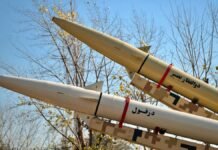
- Direct Diplomacy: Netanyahu seeks to expand the scope of U.S.,Iran talks to include ballistic missiles and regional proxy support.
- Military Pressure: President Trump is weighing the deployment of a second aircraft carrier strike group to join the USS Abraham Lincoln.
- Oman Talks Stall: The first round of indirect U.S.,Iran negotiations in Muscat concluded on February 10 without a substantive breakthrough.
- Iran’s Hardline: Tehran continues to insist on its right to uranium enrichment while demanding full sanctions relief for any concessions.
- Domestic Crisis: The summit occurs against the backdrop of severe internal unrest in Iran, with thousands reported killed in anti,regime protests since December 2025.
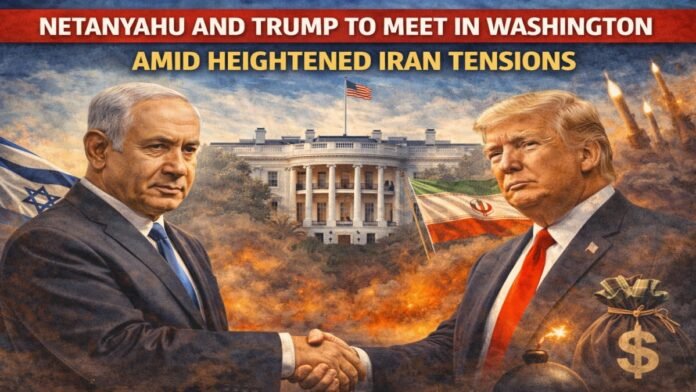
The meeting between Prime Minister Benjamin Netanyahu and President Donald Trump at the White House marks a pivotal moment for regional security. Netanyahu’s arrival in the U.S. capital was brought forward as indirect negotiations between Washington and Tehran proceeded in Oman. The Israeli leader is reportedly concerned that a “nuclear,only” deal might leave Iran’s ballistic missile capabilities and its “Axis of Resistance” network unchecked.
Israel’s position is informed by the “12,Day War” in June 2025, during which joint U.S.,Israeli strikes targeted Iranian nuclear and military infrastructure. Netanyahu intends to present fresh intelligence to President Trump, arguing that Iran is using the current diplomatic window to reconstitute its damaged air defenses and missile factories.
The “Armada” Strategy: Peace Through Strength
As diplomatic efforts fluctuate, the U.S. military presence in the Middle East has reached its most robust levels in years. The USS Abraham Lincoln carrier strike group, equipped with F,35 fighter jets and Tomahawk missiles, is currently operating in the Arabian Sea. In a recent interview, President Trump stated he is “thinking” of sending a second aircraft carrier to the region, describing the fleet as an “armada” designed to signal that the U.S. will not be “overplayed” as it was in previous years.
U.S. negotiators Jared Kushner and Steve Witkoff visited the USS Abraham Lincoln just days ago, emphasizing the administration’s “peace through strength” doctrine. Trump has warned that if a “great deal” is not reached, the U.S. is prepared to take “very tough steps,” referencing the military intervention of mid,2025.
Deadlock in Oman and Iran’s Defiance
Despite the military posturing, diplomatic channels in Muscat remain active, though brittle. Iranian Foreign Minister Abbas Araghchi recently reaffirmed that Tehran will never relinquish its right to enrich uranium, even under the threat of war. Iranian officials have floated a proposal to cap enrichment at 60 percent, or potentially dilute existing stockpiles to 20 percent, but only if Washington provides immediate and total sanctions relief.
Iran’s internal stability also remains a major factor in the negotiations. Since late December 2025, widespread protests sparked by the collapse of the Iranian rial have led to a violent state crackdown. While Iranian authorities acknowledge approximately 3,000 deaths, international human rights agencies estimate the toll has surpassed 6,000. President Trump has publicly urged the Iranian leadership to “stop the killing,” adding another layer of complexity to the bilateral talks.
Regional Implications and Future Strategy
The White House summit is expected to set the red lines for the next round of negotiations. While President Trump has signaled a preference for a deal to avoid further military escalation, Netanyahu is pushing for a broader framework that addresses Iran’s regional “destructive role.”
The meeting will also likely touch upon the ongoing volatility in Gaza and the West Bank, though the Iranian threat remains the dominant priority for both leaders. As the 60,day deadline for a diplomatic resolution approaches, the international community remains on high alert, watching for whether this meeting will lead to a new regional accord or a return to active conflict.