






















Key Highlights
- Diplomatic Venue: Islamabad serves as the neutral ground for the first in-person talks between the Trump administration and the new Iranian leadership.
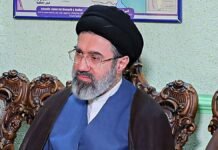
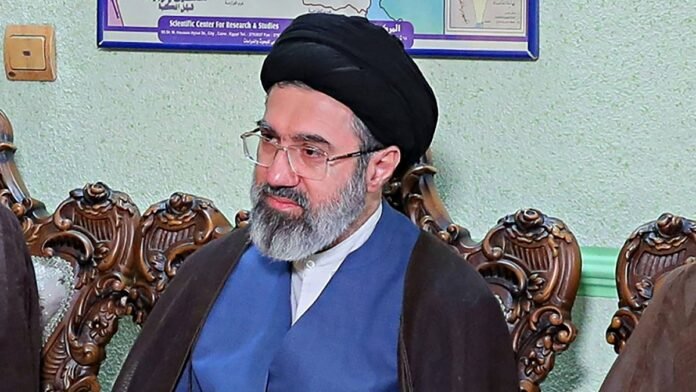
- Khamenei’s Warning: Supreme Leader Mojtaba Khamenei warns that Iran will not tolerate further aggression, despite agreeing to the temporary truce.
- Lebanon Crisis: Iranian President Pezeshkian condemns recent Israeli airstrikes in Lebanon as a “blatant violation” of the ceasefire terms.
- Economic Stakes: Negotiations center on reopening the Strait of Hormuz, where a blockade has severely disrupted global oil and gas supplies.
- Security Lockdown: Pakistan has deployed elite security forces to protect delegations led by U.S. Vice President JD Vance and Iranian FM Abbas Araghchi.
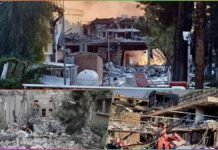
As of Friday, April 10, 2026, the global spotlight has shifted to Pakistan’s capital, where representatives from Washington and Tehran are convening to navigate the most significant diplomatic opening in years. The summit follows a conditional two-week ceasefire brokered by President Donald Trump, intended to halt the devastating conflict that erupted earlier this year. However, the atmosphere remains heavy with suspicion, compounded by a stern address from Iran’s newly ascended Supreme Leader, Mojtaba Khamenei.
In his first major statement since the ceasefire was announced, Mojtaba Khamenei clarified that Iran’s willingness to talk should not be mistaken for weakness. He asserted that Iran stands as a victor in the recent hostilities and demanded full compensation for the “blood of the martyrs” and economic losses. While he stated that Iran does not seek an all-out war, he emphasized that those who attack the Islamic Republic will face swift retribution, a clear signal directed at both the United States and Israel.
The “Lebanon Violation” and the Strait of Hormuz
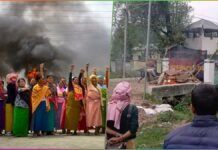
The success of the Islamabad talks is currently threatened by escalating violence in Lebanon. President Masoud Pezeshkian recently alleged that Israel’s “Operation Eternal Darkness,” which included massive strikes across Beirut and southern Lebanon, constitutes a breach of the spirit of the ceasefire. Pezeshkian warned that continued Israeli military action could render the current negotiations futile, stating that Iran remains committed to its allies, particularly the people of Lebanon.
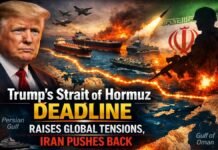
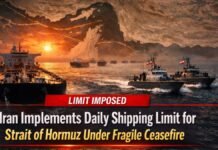
A primary focus of the meeting will be the status of the Strait of Hormuz. Since the outbreak of war in late February, Iran has maintained a blockade on the waterway, which handles one-fifth of the world’s oil. Although the ceasefire agreement included provisions for reopening the strait, reports indicate that Iran has continued to restrict traffic and impose steep “transit tolls,” a move that has kept global energy prices at record highs. The U.S. delegation is expected to push for an immediate, unconditional reopening as part of its 15-point peace proposal.
Pakistan’s Role as a Global Mediator
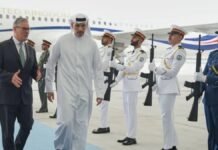
Pakistan has emerged as a critical intermediary in this crisis. Prime Minister Shehbaz Sharif and Army Chief Asim Munir have spent weeks engaging in back-channel diplomacy to bring both parties to the table. In preparation for the arrival of the high-level delegations, Islamabad has been placed under a “triple-tier” security lockdown.
The American delegation, reportedly led by Vice President JD Vance and including special envoy Steve Witkoff and Jared Kushner, is tasked with finalizing a framework that addresses Iran’s nuclear ambitions and regional activities. In exchange, Iran is seeking the lifting of all primary sanctions and security guarantees against future strikes. As the conflict enters this delicate diplomatic phase, the international community remains watchful, hoping that the “Islamabad Talks” can prevent a return to the widespread destruction seen over the past several months.