


























Key Points
- Direct Appeal: President Pezeshkian urges American citizens to bypass “fabricated narratives” regarding Iran’s alleged threat to global security.
- Sovereignty Claims: The letter asserts that Iran has been targeted during active diplomatic negotiations, labeling strikes on industrial and medical sites as “war crimes.”
- The “Proxy” Allegation: Tehran claims the United States is being manipulated by the Netanyahu administration to divert global attention from regional issues.
- Economic Questioning: The message challenges the “America First” doctrine, asking how the loss of American lives and resources benefits the average citizen.
- Diplomatic Opening: Pezeshkian signaled a conditional readiness to end hostilities through dialogue, provided certain regional sovereignty requirements are respected.
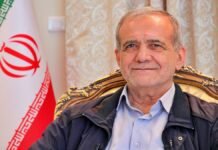
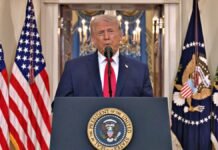
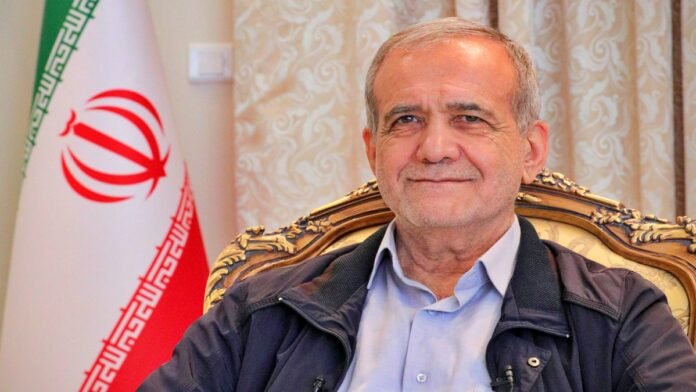
In a strategic communication released on Wednesday, April 1, 2026, Iranian President Masoud Pezeshkian took the unprecedented step of bypassing traditional diplomatic channels to address the American people directly. The letter, which surfaced just hours before President Donald Trump’s national address, seeks to undermine the domestic justification for “Operation Epic Fury.”
Pezeshkian raised pointed questions regarding the tangible benefits of the month-long campaign for the United States, arguing that the rhetoric of “annihilation” and threats to return Iran to the “Stone Age” only serve to isolate America on the global stage. He specifically critiqued the “America First” policy, suggesting that the current administration’s actions are depleting American resources to further the territorial and political goals of foreign allies, specifically Israel.
The Human and Industrial Toll
A central theme of the letter is the refutation of the “Iranian threat.” Pezeshkian emphasized that Tehran was actively participating in nuclear negotiations when the latest round of strikes commenced. He detailed the extensive damage to Iran’s energy, industrial, and medical infrastructure, which he argued has disproportionately affected civilians rather than military command structures.
“These are not merely tactical strikes,” the letter stated, “they are war crimes that fuel generational instability and cause irreparable humanitarian loss.” By highlighting the destruction of hospitals and essential utility grids, Pezeshkian is attempting to tap into the growing anti-war sentiment within the U.S. domestic landscape.
Allegations of an Israeli “Proxy” War
The Iranian leader did not mince words regarding the influence of Israeli Prime Minister Benjamin Netanyahu. Pezeshkian alleged that the United States has effectively become a military proxy for Israel, arguing that the escalation in the Strait of Hormuz and the strikes on Iranian soil are part of a broader strategy to preserve the current Israeli government’s power. According to Tehran, portraying Iran as a persistent existential threat is a calculated effort by the Netanyahu administration to prolong the conflict and keep U.S. forces committed to the region indefinitely.
The Path to De-escalation
Despite the sharp rhetoric, the letter concluded with a subtle signal for potential de-escalation. Pezeshkian noted that Iran remains prepared to cease military operations, provided that the U.S. and Israel halt their campaign and recognize Tehran’s right to security and industrial development.
The letter arrives as global energy markets remain in a state of high volatility, with fuel prices in the U.S. continuing to rise as a result of the ongoing maritime standoff. While Washington has characterized its actions as a “decisive blow” to Tehran’s nuclear ambitions, Pezeshkian’s letter suggests that the Iranian leadership is pivoting toward a strategy of international public relations, hoping that internal pressure within the United States will force a diplomatic conclusion to the 34-day war.