























Key Points:
- DGCA will cut 5% of IndiGo’s flight slots, reassigning them to other airlines
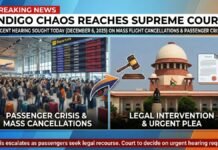
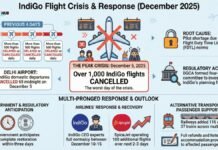
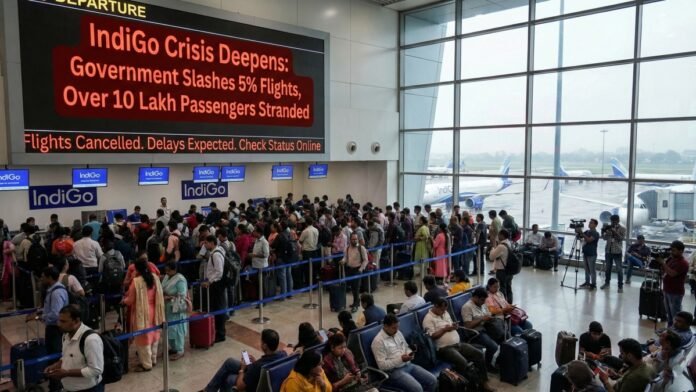
- Over 4,000 flights cancelled since December 2, affecting 10+ lakh passengers
- Four-member committee headed by Joint DG Sanjay Brahmane to probe root causes
- IndiGo blames new FDTL Phase II rules, technical glitches, and weather
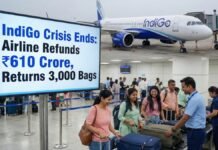
- Government ordered full refunds by December 7 evening
- Further 5% reduction possible if situation doesn’t improve
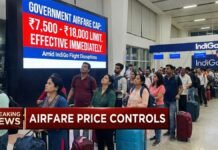
- Aviation Ministry imposed fare caps to prevent price gouging
The Directorate General of Civil Aviation has taken unprecedented action against India’s largest airline, mandating a 5% reduction in IndiGo’s daily flights as a penalty for operational chaos that has crippled domestic air travel. The regulator confirmed that approximately 110 daily flights will be transferred to competing airlines with available capacity, marking the first time such a punitive measure has been imposed on a major Indian carrier. The slots will be redistributed among airlines that can demonstrate they have the crew and aircraft to handle additional operations, potentially benefiting Air India, Vistara, and Akasa Air.
Civil Aviation Minister K Rammohan Naidu expressed strong displeasure with IndiGo’s performance, stating that the airline had adequate time to prepare for regulatory changes. The ministry warned that if disruptions continue, an additional 5% slot reduction could be implemented within days. This two-stage penalty approach gives IndiGo a narrow window to stabilize operations or face further capacity cuts that would significantly impact its market dominance, which currently stands at nearly 60% of domestic air traffic.
Show-Cause Notice Targets Top Leadership
DGCA issued a sharply worded show-cause notice to CEO Pieter Elbers on December 6, holding him personally accountable for “significant lapses in planning, oversight, and resource management.” The regulator gave Elbers 24 hours to explain why enforcement action should not be initiated, though the airline subsequently requested additional time to provide a comprehensive response. The notice specifically cited failures in preparing for revised Flight Duty Time Limitations (FDTL) that took effect November 1, 2025.
The regulatory action extends beyond the CEO, with Chief Operating Officer Isidro Proqueras also facing scrutiny. DGCA’s enforcement tools include potential fines up to ₹1 crore, licence suspension, and even imprisonment up to two years for serious safety violations. The regulator has also deployed officers to IndiGo’s operational control centers for continuous real-time monitoring, an extraordinary step that underscores the severity of the crisis. Aviation ministry officials confirmed that top executives could be forced to resign if the investigation proves willful negligence.
IndiGo’s Defense Cites Five Key Factors
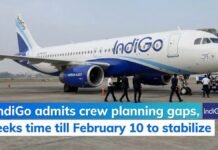
In its response submitted December 8, IndiGo offered a detailed explanation for the meltdown, identifying five primary causes. The airline cited minor technical glitches affecting aircraft availability, winter schedule changes that disrupted crew rotations, adverse weather conditions across multiple hubs, increased airport congestion, and critical failures in complying with FDTL Phase II rules. The new crew rostering regulations, which limit pilot flying hours and mandate longer rest periods, apparently exposed deep planning gaps in IndiGo’s manpower management.
IndiGo acknowledged that misjudgments in implementing the FDTL rules caused cascading crew shortages that eventually forced the airline to reboot its entire network on December 5. The carrier canceled over 1,600 flights that day alone in a drastic measure designed to decongest airports and reposition crew and aircraft. While operations began normalizing from December 6, with cancellations dropping to approximately 500 daily, the airline admitted it had been seeking exemptions and variations from DGCA regarding the new rules, requests that were largely denied.
Four-Member Committee Investigates Systemic Failures
DGCA formed a specialized four-member committee headed by Joint Director General Sanjay Brahmane to conduct a comprehensive investigation into IndiGo’s operational collapse. The committee’s mandate includes examining the airline’s manpower planning processes, crew rostering systems, and preparedness for implementing FDTL Phase II. Investigators will determine whether the crisis resulted from genuine implementation challenges or systemic mismanagement and willful non-compliance.
The panel is tasked with submitting its findings within 15 days, after which DGCA will decide on additional penalties. The committee will also review why IndiGo failed to report its preparedness status to DGCA while competitors like Air India and Vistara maintained regular communication about their readiness for the new rules. Furthermore, investigators will scrutinize DGCA’s own handling of the FDTL rollout to determine if regulatory oversight was adequate.
Passenger Compensation and Refund Chaos
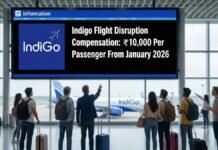
The Civil Aviation Ministry directed IndiGo to complete all pending refunds for cancelled or disrupted flights by 8 pm on December 7, though it’s unclear if the airline fully complied with this deadline. Under DGCA’s CAR rules, passengers are entitled to compensation of ₹5,000–₹10,000 if cancellations were not communicated two weeks in advance. The ministry also prohibited airlines from charging rescheduling fees for affected passengers and imposed fare caps on domestic routes to prevent price gouging as stranded travelers sought alternative flights.
The crisis has triggered widespread public outrage, with social media flooded with complaints about inadequate communication, long wait times, and inconsistent information. Over 10 lakh passengers have been affected, making this India’s worst aviation disruption in years. The ministry has directed IndiGo to reunite separated baggage within two days and establish dedicated support cells at major airports, though passenger frustration continues to mount.
Industry Impact and Competitive Dynamics
The slot redistribution could fundamentally alter India’s aviation market landscape. Competitors are already positioning to absorb the 110 daily flights, with Air India and Akasa Air reportedly preparing to add capacity on high-demand routes. Moody’s ratings agency warned that the crisis could impact IndiGo’s credit profile if passenger confidence doesn’t recover quickly.
The pilots’ body, Airlines’ Pilots Association (ALPA) India, has strongly objected to DGCA’s “selective and unsafe” relief to IndiGo, which includes rolling back night duty definitions and increasing permitted night landings. ALPA claims these relaxations destroy regulatory parity and place millions of passengers at heightened risk. The crisis has also sparked political controversy, with opposition parties blaming the government’s alleged push for aviation duopoly and rollback of pilot safety norms.
What’s Next for IndiGo
IndiGo faces a critical fortnight as it works to restore normal operations while under intense regulatory scrutiny. The airline has formed a crisis management group and promised to operate approximately 1,650 daily flights, down from its usual 1,800+ schedule. DGCA’s investigation will determine whether the airline faces maximum sanctions or receives leniency based on its cooperation and remediation efforts.
Aviation experts suggest that IndiGo may need to accelerate pilot recruitment, redesign its entire rostering system, and implement more robust safety-risk analysis protocols. The carrier’s reputation for operational reliability has suffered a severe blow, and winning back passenger trust will require consistent performance over several weeks. With the peak holiday travel season underway, all eyes are on IndiGo’s ability to prevent further disruptions while competitors stand ready to capture its market share.