



























Key Points
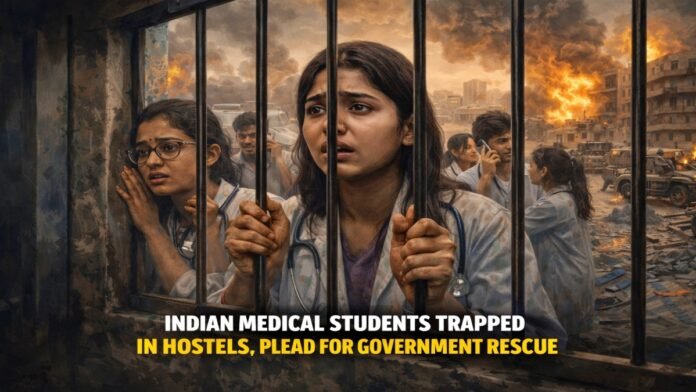
- 9,000+ Indian medical students trapped in Bangladesh hostels due to violence
- Students hide identities, avoid native accents to escape mob attacks
- Economic necessity drives students to Bangladesh, costs half of Indian private colleges
- Bangladesh universities accused of hollow assurances, lack of concrete security
- India faces 2 million medical aspirants for only 60,000 government seats
- Indian government urged for diplomatic intervention and evacuation plans
The Eurasia Review report documents harrowing experiences of Indian students who cannot leave their hostels after sunset due to security threats. Students avoid markets, public transport, and even speaking Hindi or other Indian languages that might reveal their nationality. For them, medical education has transformed from academic pursuit into constant vigilance, where every unfamiliar sound triggers panic about potential attacks.
The violence stems from broader political instability following Bangladesh’s 2025 elections, with radical groups targeting minorities and foreigners. Indian students, easily identifiable by appearance and language, have become soft targets despite their significant contribution to Bangladesh’s education economy.
Economic Compulsion Versus Safety
More than 9,000 Indian students currently study medicine in Bangladesh, not by choice but due to India’s severe medical seat shortage. Over 2 million students compete annually for approximately 60,000 government medical college seats in India, while private institutions charge ₹20-25 lakh per year. Bangladesh offers equivalent MBBS degrees at nearly half the cost, making it the only viable option for middle-class families.
This economic compulsion forces families to send their children to a country where their safety cannot be guaranteed. The Bangladesh Medical College Hostel Association reports that 70% of Indian students come from families earning less than ₹8 lakh annually, making them particularly vulnerable as they cannot afford emergency evacuation or private security.
University Administration’s Inadequate Response
Bangladeshi universities have imposed curfews but failed to implement robust security measures or zero-tolerance policies against violence targeting foreign students. The Eurasia Review report criticizes institutions for offering “hollow assurances” rather than concrete protection. When students fear leaving rooms simply because of their passports, it represents that country’s moral failure.
The University of Dhaka’s International Student Office has issued generic safety advisories but lacks resources for 24/7 security. Private medical colleges, where most Indian students enroll, have even weaker security infrastructure, with some hostels lacking perimeter walls or security personnel.
Diplomatic Inaction and Urgent Appeals
The Indian government has received over 2,000 direct pleas from students and parents through the Indian High Commission in Dhaka, but response has been limited to advisory warnings. Unlike the 2022 Ukraine crisis, when Operation Ganga evacuated 18,000 Indian students, no similar evacuation plan exists for Bangladesh.
Experts argue India must raise this issue at the highest diplomatic levels, potentially through the SAARC framework or bilateral security agreements. The Ministry of External Affairs has scheduled a meeting with Bangladeshi officials on January 20, 2026, but students demand immediate action rather than diplomatic discussions.
Long-term Solutions Needed
Until India addresses its medical education capacity crisis, students will continue risking lives abroad. The National Medical Commission’s proposal to add 10,000 seats remains stalled due to infrastructure shortages. Meanwhile, Bangladesh’s $200 million annual revenue from Indian medical students faces collapse if security measures aren’t implemented immediately.
The Indian government must either expedite domestic medical seat expansion or negotiate binding security guarantees with Bangladesh, including dedicated police protection for Indian student hostels and fast-track justice for perpetrators of violence.