































Key Highlights
- Withdrawal Confirmed: Formal notification was sent to the Asia-Pacific regional group of the UNFCCC last week, effectively ending India’s candidacy.
- Shift from 2023 Proposal: The move reverses Prime Minister Narendra Modi’s high-profile announcement made during COP28 in Dubai.
- Internal Recalibration: Sources cite a “review of 2028 commitments” and potential conflicts between national interests and the impartial role required of a COP President.
- Dissolution of COP33 Cell: The decision follows the 2025 establishment of a dedicated unit within the Ministry of Environment to manage the event’s logistics.
- Uncertain Successor: South Korea is currently viewed as a leading potential contender for the 2028 summit in the Asia-Pacific rotation.
In a move that has surprised the international diplomatic community, India has officially withdrawn its bid to host the 33rd Conference of the Parties (COP33), scheduled for 2028. This decision, confirmed on Wednesday, April 8, 2026, represents a significant pivot from the country’s earlier efforts to lead the global climate conversation. While the Indian government has not yet issued an exhaustive public statement, official sources indicate that a formal letter of withdrawal was submitted to the United Nations Framework Convention on Climate Change (UNFCCC) earlier this month.
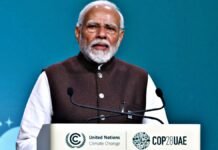
The withdrawal is particularly noteworthy because it stems from a proposal personally championed by Prime Minister Narendra Modi. During the COP28 summit in Dubai in 2023, the Prime Minister invited the world to India, positioning the country as a bridge between the developed world and the Global South in the fight against climate change.
Strategic Considerations and National Interests
Reports suggest the decision followed months of internal deliberation within the Ministry of Environment, Forest and Climate Change (MoEFCC) and the Ministry of External Affairs. High-level discussions reportedly focused on the challenges of presiding over a COP summit, which requires the host nation to act as a neutral mediator. There were growing concerns that this role might limit India’s ability to aggressively defend its own national positions on energy security and fossil fuel transitions.
Furthermore, the “COP33 Cell,” which was established in July 2025 to oversee the mammoth task of organizing the summit, has reportedly been scaled back. The withdrawal comes shortly after the Union Cabinet approved India’s updated Nationally Determined Contributions (NDCs) for 2031-2035, suggesting that the government may prefer to focus on meeting domestic climate targets rather than managing the logistical and political complexities of an international presidency in 2028.
Regional Dynamics and the Road Ahead
Under the UN’s rotational hosting system, the responsibility for COP33 lies with the Asia-Pacific group. With India’s exit, the vacancy has left room for other regional players. South Korea, which has previously expressed interest through its Jeollanam-do province, is now being closely watched as a likely successor for the 2028 slot.
The reaction at home has been mixed. While some analysts view the withdrawal as a pragmatic move to avoid the “perfect storm” of international pressure that typically targets a COP host, others, including opposition leaders, have described it as a missed strategic opportunity. They argue that hosting COP33 would have provided India with a unique platform to demand greater accountability from historical emitters while showcasing its own advancements in renewable energy and green technology. For now, the global community awaits an official word from the UN Climate Secretariat in Bonn to formalize the next steps for the 2028 summit.