































Key Highlights
- Booking Rules: Customers must now maintain a minimum 24-day gap between booking two domestic cylinders, up from the previous 21-day limit.
- Price Hike: Domestic 14.2 kg LPG cylinder prices rose by ₹60 on March 7, now costing ₹913 in Delhi.
- Commercial Impact: 19 kg commercial cylinders saw a steeper increase of ₹115, reaching ₹1,883 in the national capital.
- Supply Status: The government maintains that there is no shortage of petrol, diesel, or LPG, and refineries have been ordered to prioritize domestic production.
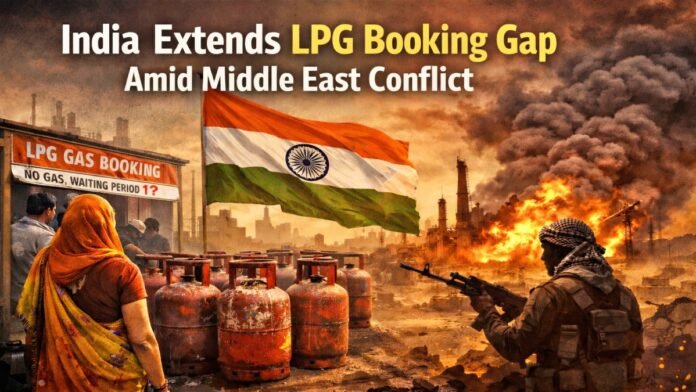
In response to the volatile geopolitical situation in West Asia, the Union Petroleum Ministry has implemented a second extension to the LPG refill booking period within a week. As of Monday, March 9, 2026, the mandatory interval between domestic gas cylinder bookings has been increased from 21 days to 25 days. This move follows a previous extension from 15 to 21 days just three days prior, reflecting the government’s proactive stance against artificial shortages.
Official sources indicate that the decision was necessitated by unusual booking patterns. Households that typically required a refill every 55 days began placing orders within 15 days, a trend attributed to panic buying as the conflict between the United States, Israel, and Iran intensified. By enforcing a 25, day lock, in period, the ministry aims to ensure equitable distribution and discourage the illegal hoarding of essential fuel.
Global Conflict Drives Energy Price Surge
The pricing landscape for cooking gas has shifted significantly as international energy benchmarks react to the “Ramadan War” in the Middle East. On March 7, 2026, oil marketing companies (OMCs) implemented a sharp ₹60 increase for 14.2 kg domestic cylinders. This marks the second price hike in a year, the previous being a ₹50 increase in April 2025.
According to the Indian Oil Corporation (IOC) website, the updated rates for a non-subsidized cylinder in major metros are:
Commercial users face an even greater burden, with the price of 19 kg cylinders rising by ₹115 to reach ₹1,883 in Delhi. This cumulative increase follows a smaller ₹28 hike on March 1, meaning commercial rates have surged by over ₹300 since the beginning of the year.
Protection for Ujjwala Beneficiaries
Despite the broad price increases, the government has confirmed that over 100 million beneficiaries of the Pradhan Mantri Ujjwala Yojana will remain shielded from the full impact. These households will continue to receive a subsidy of ₹300 per cylinder for up to 12 refills annually. After accounting for the subsidy, Ujjwala consumers will pay approximately ₹613 for a domestic cylinder in Delhi.
Strategic Reserves and Sourcing
To stabilize the domestic market, the Petroleum Ministry has directed refineries to prioritize the production of domestic LPG over commercial variants. Furthermore, India is actively diversifying its energy imports to bypass the Strait of Hormuz, a critical maritime route currently threatened by regional hostilities.
Government officials have reassured the public that India possesses sufficient strategic reserves of crude oil and petroleum products to last 74 days. International partners, including Australia, Norway, Canada, and Algeria, have reportedly approached New Delhi to offer additional LPG supplies, strengthening India’s energy security during this period of global uncertainty.