




























Key Developments in Aviation Pricing
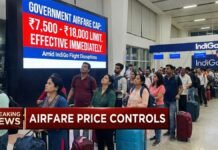
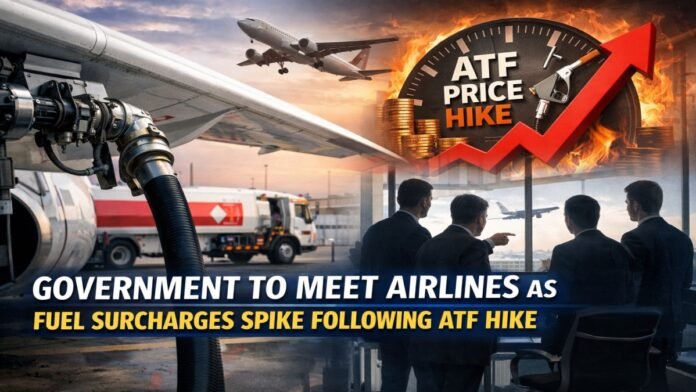
- Government Intervention: The Ministry of Civil Aviation will meet with airline executives to prevent uncontrolled airfare hikes and seek transparency on pricing strategies.
- Calibrated Price Hike: Domestic ATF prices rose by 8.5% to ₹1,04,927.18 per kilolitre, while international rates more than doubled to over ₹2.07 lakh.
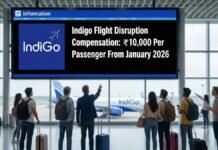
- New Surcharges: IndiGo has introduced distance-based fuel charges, with international long-haul surcharges reaching up to ₹10,000 per ticket.
- Conflict Context: The price surge is directly linked to the closure of the Strait of Hormuz, which has severely disrupted global oil supplies since early March 2026.
- Capped Domestic Impact: To protect local travelers, the government limited the domestic ATF increase to a fraction of the global benchmark spike.
In response to the growing financial burden on air passengers, the Central Government is preparing to hold high-level discussions with major domestic carriers. While the government has not yet issued formal directives, officials from the Ministry of Civil Aviation are actively seeking clarifications on how fuel surcharges are being calculated. The primary goal of these upcoming meetings is to ensure that the “calibrated” increase in fuel costs does not translate into predatory pricing for the general public, especially during a period of heightened geopolitical instability.
The Record-Breaking ATF Surge
The revision of Aviation Turbine Fuel (ATF) prices on April 1, 2026, marked a historic moment for the industry. For the first time, jet fuel prices in India crossed the ₹2 lakh per kilolitre threshold for international operations. This 114.5% jump is a direct consequence of the blockade in the Strait of Hormuz, a critical maritime chokepoint.
To shield the domestic aviation market, the Ministry of Petroleum and Natural Gas, in coordination with state-owned oil marketing companies, implemented a staggered price hike. While international and charter services are paying the full market rate, the increase for scheduled domestic flights was capped at approximately 8.5%.
| ATF Category | Previous Price (₹/kl) | New Price (₹/kl) | Percentage Change |
|---|---|---|---|
| Domestic Operations | ₹96,638.14 | ₹1,04,927.18 | +8.56% |
| International/Charter | ₹96,638.14 | ₹2,07,341.22 | +114.5% |
IndiGo’s Revised Surcharge Structure
Despite the government’s efforts to cushion the domestic sector, IndiGo, India’s largest airline by market share, has overhauled its fuel surcharge policy effective April 2, 2026. Moving away from its previous flat-rate model of ₹425, the carrier has introduced a tiered system based on flight distance.
For domestic routes, the surcharge now ranges from ₹275 for short hops under 500 km to ₹900 for sectors exceeding 2,000 km. However, the most significant impact is visible on international routes. Passengers traveling to Europe or other long-haul destinations now face a surcharge of up to ₹10,000 per booking. The airline cited a “sudden and substantial change in the operating environment” as the reason for the hike, pointing to both fuel costs and rising war-risk insurance premiums for flights traversing West Asian airspace.
Looking Ahead: Market Stability and Audits
As other carriers are expected to follow IndiGo’s lead, the government is focusing its efforts on establishing accountability. Technical teams are currently conducting reviews to identify if the current surcharge levels are proportionate to the actual increase in operating expenses. Until the situation in West Asia stabilizes, the Ministry has advised airlines to maintain pricing discipline, warning that any unjustified surges during peak travel periods will face immediate regulatory scrutiny.