































Key Points
- IMD yellow alert for Delhi-NCR with minimum temperature at 7-9°C and maximum at 20-22°C on Sunday
- Air Quality Index in very poor category (300-400), high PM2.5 levels increase respiratory illness risk
- IndiGo cancelled 57 flights on Saturday, 13 more cancelled for Sunday due to adverse weather conditions
- Dense to very dense fog warnings for eastern and western Uttar Pradesh, impacting Lucknow, Varanasi, and Agra
- Cold wave conditions in Punjab and Haryana with temperatures dropping to 4-8°C, raising concerns for standing crops
- Light to moderate snowfall expected in Jammu & Kashmir and Himachal Pradesh under Western Disturbance influence
The national capital recorded minimum temperatures between 7-9 degrees Celsius on Sunday morning, with the mercury expected to peak at only 20-22 degrees Celsius. Moderate to dense fog enveloped the region during early hours, reducing visibility to less than 200 meters in several areas and severely impacting vehicular movement on highways and arterial roads.
The Air Quality Index remained entrenched in the very poor category, hovering between 300 and 400 across monitoring stations. According to the Central Pollution Control Board, PM2.5 concentrations in several localities have reached alarming levels, significantly increasing the risk of respiratory illnesses among vulnerable populations. Despite the easing of GRAP restrictions earlier this month, stagnant wind speeds have trapped pollutants close to the surface, creating a persistent haze that combines with fog to reduce visibility further. The IMD has advised residents to limit outdoor exposure during early morning hours and use masks to mitigate health risks.
Uttar Pradesh Battles Dense Fog, Travel Disruptions
The meteorological department has issued warnings for dense to very dense fog across eastern and western Uttar Pradesh, with conditions expected to persist until Monday morning. Minimum temperatures in the state could drop to 5-10 degrees Celsius, creating cold day conditions that affect normal activities. Major cities including Lucknow, Varanasi, and Agra are experiencing significant traffic disruptions due to near-zero visibility during morning hours.
Pollution levels have simultaneously spiked across the state, particularly in western Uttar Pradesh due to the influence of Delhi’s polluted air mass. The CPCB data indicates AQI levels in the poor to very poor category in Ghaziabad, Noida, and Meerut, with local emissions from industrial areas and biomass burning compounding the problem. Authorities have advised motorists to use fog lights and maintain safe distances while driving.
Punjab and Haryana Face Cold Wave Warning
Both states continue to reel under dense fog conditions accompanied by icy winds from the north. Minimum temperatures in Amritsar, Chandigarh, and Hisar range between 4-8 degrees Celsius, prompting the IMD to issue a cold wave warning for the next 48 hours. The department has expressed particular concern about the impact on standing wheat and mustard crops, which are vulnerable to frost damage during this critical growth phase.
Air quality has deteriorated to the poor to very poor category across most monitoring stations in the region. In Chandigarh, the AQI touched 320 on Saturday, while Hisar recorded 295. The combination of low temperatures, fog, and pollution has led to increased cases of breathing difficulties in hospitals across both states. Farmers have been advised to use smoke pots and water sprinkling to protect crops from frost injury.
Snowfall Forecast for Jammu & Kashmir, Himachal Pradesh
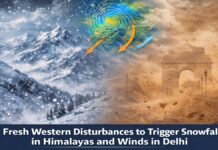
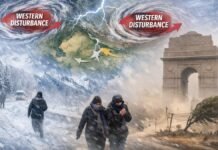
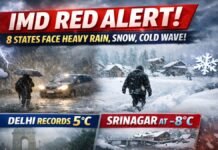
A fresh Western Disturbance is expected to bring light to moderate snowfall and rainfall to Jammu & Kashmir and Himachal Pradesh on Sunday, December 28. The IMD has forecast snow in tourist destinations including Srinagar, Gulmarg, Pahalgam, and Shimla, which is likely to attract winter tourists seeking snow-covered landscapes. However, the department has also warned of potential avalanches in the upper reaches of the Pir Panjal and Greater Himalayan ranges.
Minimum temperatures in the Kashmir Valley are remaining in the negative territory, with Srinagar recording minus 3.2 degrees Celsius on Saturday night. The severe cold wave conditions have frozen water supply lines in several areas and disrupted power distribution. In Himachal Pradesh, Keylong recorded minus 6.8 degrees Celsius, while Shimla hovered around 2 degrees Celsius. The state disaster management authority has advised residents and tourists to avoid venturing into avalanche-prone areas.
Flight Operations Severely Disrupted
IndiGo Airlines cancelled 57 flights on Saturday due to adverse weather conditions at multiple airports across North India. The Gurugram-based carrier has cancelled an additional 13 flights for Sunday, with two cancellations attributed to operational reasons and the remaining 11 due to the forecast of inclement weather. The disruptions have affected routes connecting Delhi, Chandigarh, Srinagar, Lucknow, and Varanasi, leaving hundreds of passengers stranded.
The flight cancellations come just weeks after IndiGo cancelled hundreds of flights in early December due to strict regulatory norms regarding pilot duty hours and rest periods. Airport authorities have advised passengers to check flight status before leaving for airports, as visibility is expected to remain below 500 meters during morning hours at most North Indian airports until Tuesday.
No Immediate Relief in Sight
According to IMD senior scientists, the prevailing conditions represent the peak winter period for North India, with the cold wave, dense fog, and pollution combining to create challenging living conditions. Weather models indicate that the Western Disturbance may temporarily improve air quality through washout effect, but temperatures are expected to drop further by 2-3 degrees Celsius after its passage. The department has advised residents to wear layered clothing, avoid early morning outdoor activities, and monitor health conditions closely, especially for children and elderly citizens.