
























Key Points:
- Neha Singh Rathore detained at Hazratganj police station on Saturday night over controversial social media post
- Complaint filed by poet Abhay Pratap Singh ‘Nirbhik’ alleges her remarks harmed national integrity
- Accusations that Pakistani media amplified her statements to damage India’s reputation
- Released within hours as police could not record her statement after sunset under legal provisions
- Senior police officials remain tight-lipped about the high-profile investigation
- The folk singer maintains she cooperated with authorities and presented her side of the story
Bhojpuri folk singer Neha Singh Rathore, who has built a reputation for her politically charged musical commentary, found herself in fresh legal controversy on Saturday night when Lucknow police detained her for questioning over allegations of making anti-national statements on social media regarding the Pahalgam terrorist attack in Jammu and Kashmir.
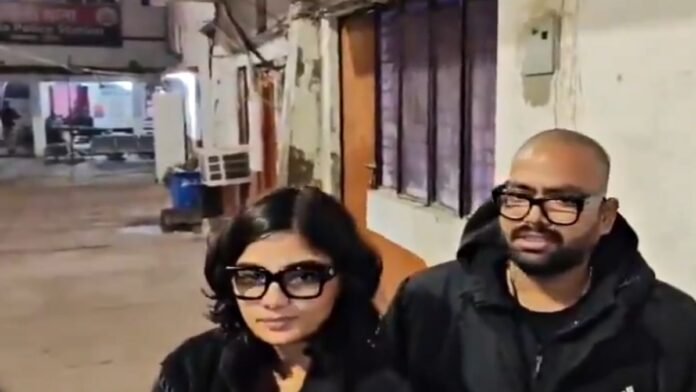
The incident unfolded at the Hazratganj police station, where Rathore arrived with her husband to respond to a police notice issued earlier in the week. The notice stemmed from a formal complaint lodged by poet Abhay Pratap Singh ‘Nirbhik’, a resident of Gudamba, who accused the singer of posting objectionable content about the April 27 attack that killed 26 civilians. The complainant alleged that Rathore’s remarks not only questioned the innocence of the victims but were deliberately crafted to disrupt communal harmony and undermine national unity during a time of crisis.
According to the complaint, Rathore’s statements gained traction across the border, where they were repeatedly broadcast by Pakistani media outlets and praised in social media circles. The poet claimed this international amplification was part of a coordinated effort to tarnish India’s global image and demoralize its citizens. The complainant further argued that such statements from a public figure had deeply wounded the sentiments of Indians and brought disrepute to the artistic community, prompting police action under relevant sections of the Indian Penal Code dealing with promoting enmity and prejudicing national integration.
When Rathore presented herself at the police station around 8 pm, officers initially detained her and transferred her to the women’s police station for further processing. However, procedural complications emerged when authorities realized they could not proceed with recording her detailed statement due to legal restrictions. Senior officers cited provisions under the Code of Criminal Procedure that limit the timing of examinations for women, particularly after sunset, unless exceptional circumstances warrant otherwise. Consequently, Rathore was released around 11 pm with instructions that she would likely be summoned again during daytime hours for a proper deposition.
Despite the brief detention, the case has already sparked significant debate across social media platforms and among civil liberties advocates. Supporters of Rathore have rallied behind her, arguing that the action represents an attempt to stifle artistic expression and dissenting voices. They point to her history of using folk music to highlight social and political issues as legitimate commentary protected under freedom of expression. Critics, however, maintain that public figures bear responsibility for their words, especially when hostile foreign entities could potentially weaponize those words.
Senior police officials have maintained a cautious silence on the matter, declining media requests for detailed comments while the investigation remains active. Sources within the department suggest that forensic examination of Rathore’s digital footprint and the specific content of her post are ongoing, with investigators also looking into the timeline of how her statements reached Pakistani media channels. Legal experts note that the charges, if pursued, could involve sections related to sedition, promoting communal disharmony, and prejudicing national security, though the final determination will depend on the evidence gathered.
Rathore, speaking briefly to journalists after her release, maintained that she had come forward voluntarily to cooperate with the investigation and clarify her position. She expressed confidence that her intentions had been misinterpreted and that she would present a comprehensive explanation when formally questioned. Her husband, who accompanied her throughout the ordeal, described the experience as stressful but expressed hope for a fair resolution.
As the investigation continues, observers are watching closely to see how authorities balance national security concerns with questions about freedom of artistic expression. The case has drawn attention from human rights organizations, with some calling for transparency in the legal process. Police sources indicate that a follow-up summons could be issued as early as Monday, though no official confirmation has been provided. The outcome may set a precedent for how similar cases involving public figures and social media commentary are handled in the future.