






























Key Points:
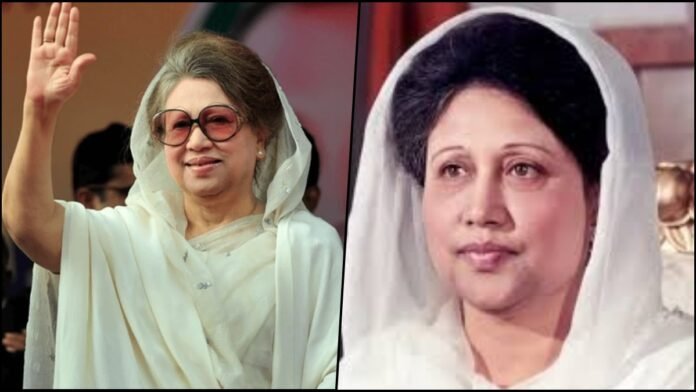
- Khaleda Zia died at 80 from chest infections, liver and kidney complications
- Served as Bangladesh Prime Minister twice, from 1991-1996 and 2001-2006
- Released from prison on August 6, 2024, after Hasina’s government collapsed
- Spent four months in London for advanced medical treatment before returning in May 2025
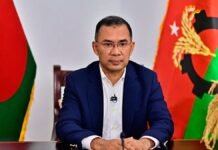
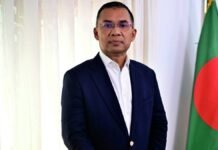
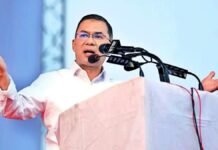
- Eldest son Tarique Rahman, BNP acting chairman, had been in exile since 2008
- Funeral arrangements to be announced by BNP leadership
Khaleda Zia served as Bangladesh’s Prime Minister for two non-consecutive terms, first from 1991 to 1996 and again from 2001 to 2006, becoming the country’s first female premier. As chairperson of the Bangladesh Nationalist Party (BNP), she dominated the nation’s political scene for over three decades alongside her arch-rival Sheikh Hasina. Her tenure saw significant economic reforms and infrastructure development, though her later years were marred by corruption allegations and political turmoil.
Born in 1945, Khaleda entered politics after the assassination of her husband, former President Ziaur Rahman, in 1981. She transformed the BNP into a formidable political force, winning multiple elections and shaping Bangladesh’s post-independence trajectory. Her leadership style, often described as authoritarian by critics, earned her both loyal supporters and fierce opponents.
Health Complications and Final Days
The BNP leader had been suffering from a complex array of medical conditions for several years, including chronic chest infections, cirrhosis of the liver, kidney dysfunction, diabetes mellitus, severe arthritis, and progressive eye disease. Her health deteriorated rapidly in recent weeks, requiring intensive care at a private Dhaka hospital.
Family sources revealed that she developed acute respiratory distress in the final 48 hours, with multi-organ failure ultimately leading to her demise. Despite receiving advanced medical care, including treatment in London earlier this year, her frail condition proved insurmountable. Medical attendants confirmed she passed away peacefully with her family present.
Legal Battles and Imprisonment
On February 8, 2018, a special Dhaka court sentenced Khaleda Zia to five years rigorous imprisonment in the Zia Orphanage Trust embezzlement case. The court found her guilty of misappropriating 21 million Bangladeshi Taka meant for orphan welfare. Her son Tarique Rahman and five co-accused received 10-year sentences and identical fines.
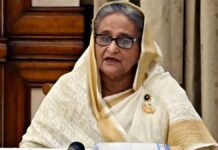
When Khaleda challenged the verdict in the High Court, her sentence was unexpectedly increased to 10 years on October 30, 2018. The case languished in legal procedures for five years as she filed a leave-to-appeal in the Supreme Court. She remained incarcerated until August 6, 2024, when interim authorities released her following Sheikh Hasina’s departure from the country.
Family Dynamics and Succession
Khaleda’s elder son Tarique Rahman, currently BNP’s acting chairman, had lived in London since 2008 to avoid what he termed “political persecution.” He returned to Dhaka earlier this month, sparking speculation about the party’s future leadership. His homecoming after 17 years allowed him to be with his mother during her final days.
The family suffered tragedy in 2015 when younger son Arafat Rahman died of a heart attack at age 45, a loss that deeply affected Khaleda. With both sons now accounted for, attention turns to BNP’s leadership transition and whether Tarique will formally assume the chairmanship his mother held for decades.
Current Bangladesh Context
Khaleda Zia’s death comes at a turbulent time for Bangladesh, with an interim government struggling to restore democratic norms after Hasina’s dramatic exit. The BNP, now leaderless, faces internal debates about its direction and participation in future elections. Political analysts suggest her passing may create a vacuum in the opposition landscape, potentially reshaping the nation’s political alignments.
The party’s media cell announced her death through official channels, though detailed funeral arrangements remain pending. Government sources indicate she will receive a state funeral befitting a former head of government, with ceremonies expected to draw supporters from across the country.