






























Key Points
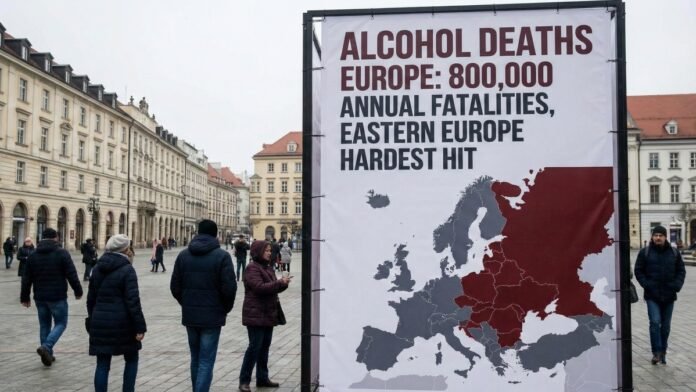
- WHO reports 800,000 annual deaths in Europe from alcohol-related illnesses and accidents
- 145,000 deaths in 2019 from alcohol-related injuries, including road accidents and violence
- Eastern Europe accounts for over 50% of alcohol-related injury deaths in the continent
- Alcohol linked to seven types of cancer, cardiovascular disease, and liver cirrhosis
- 40% of interpersonal violence deaths involve alcohol as a contributing factor
- WHO urges stricter policies, higher taxes, advertising bans, and clear health warnings
The WHO’s latest report, based on comprehensive 2019 data, reveals that approximately 800,000 people die each year in the European region due to illnesses and accidents related to alcohol consumption. This staggering figure represents nearly 9% of all deaths in Europe, making alcohol one of the leading preventable causes of mortality. The death toll includes 145,000 fatalities from injuries sustained while under the influence of alcohol, encompassing road traffic accidents, falls, drownings, and other traumatic incidents. Carina Ferreira-Borges, Regional Advisor for Alcohol, Illicit Drugs and Prison Health at WHO/Europe, emphasized that these numbers reflect a crisis that extends far beyond individual health, affecting families, communities, and national economies. The report notes that alcohol-related mortality disproportionately affects working-age populations, creating a significant burden on productivity and healthcare systems across the continent.
Alcohol’s Role in Violence and Criminal Activity
The WHO report highlights alcohol’s disturbing connection to interpersonal violence, revealing that approximately 26,500 deaths in Europe during 2019 were due to violent injuries, with alcohol contributing to 40% of these cases. This includes assaults, homicides, and domestic violence incidents where alcohol impairment played a decisive role. The organization states that alcohol reduces self-control, impairs judgment, slows reaction time, and encourages risk-taking behavior, creating a dangerous combination that fuels aggressive tendencies. Domestic violence cases show particularly strong alcohol involvement, with studies indicating that perpetrators had consumed alcohol in over half of reported incidents. The report also links alcohol to sexual violence, child abuse, and public disorder offenses, creating a cascade of social problems that extend far beyond the drinker. Law enforcement agencies across Europe have reported that alcohol-related violence strains police resources, with Friday and Saturday nights requiring disproportionate deployment to manage alcohol-fueled disturbances in urban centers.
Devastating Health Consequences Beyond Injuries
Alcohol’s impact on physical health extends far beyond immediate injuries, causing seven types of cancer and numerous non-communicable diseases. The leading causes of alcohol-related deaths include cardiovascular disease, liver cirrhosis, and various cancers such as breast and bowel cancer. The WHO has stated unequivocally that “no amount of alcohol is completely safe,” as even moderate consumption increases the risk of several serious diseases. The report identifies alcohol as a major cause of premature death among working-age people, with men aged 40-60 showing the highest mortality rates. The economic burden is substantial, with healthcare costs for alcohol-related illnesses consuming 2-4% of national health budgets in many European countries. The report also notes that alcohol exacerbates mental health conditions, contributes to depression and anxiety disorders, and increases suicide risk, with approximately 15% of alcohol-related deaths attributed to self-harm.
Eastern Europe Bears the Brunt of the Crisis
Data analysis reveals stark regional disparities, with Eastern Europe emerging as the most severely affected area. More than half of all deaths from alcohol-related injuries in Europe occur in Eastern European countries, where per capita consumption and harmful drinking patterns are significantly higher. In contrast, Western and Southern Europe account for less than 20% of alcohol-related injury deaths, reflecting different cultural attitudes and more stringent policy implementations. Countries like Russia, Ukraine, Belarus, and the Baltic states show alcohol-attributable mortality rates three to four times higher than the European average. The legacy of post-Soviet social upheaval, economic instability, and limited alcohol control policies has created a perfect storm in these nations. The report highlights that in some Eastern European regions, alcohol accounts for over 20% of all male deaths, devastating families and communities. The WHO notes that while these countries have made progress in recent years, they still lag far behind Western European standards in implementing effective alcohol control measures.
Economic and Social Burden on Society
The WHO report emphasizes that alcohol’s destructive impact extends far beyond the individual drinker, creating profound social and economic challenges for families and governments. Children in households with alcohol abuse face higher risks of neglect, abuse, and developmental problems, perpetuating cycles of disadvantage across generations. The cost of treating alcohol-related illnesses places a significant economic burden on healthcare systems, while lost productivity due to alcohol-related absenteeism and premature death reduces national GDP by an estimated 1-3% in heavily affected countries. The report also documents how alcohol contributes to social instability, family breakdown, and community disintegration, particularly in marginalized populations. Emergency services, including ambulances and hospital emergency departments, report that alcohol-related incidents consume 30-40% of their resources during peak hours. The criminal justice system bears additional costs, with alcohol-related offenses filling courts and prisons, further straining public finances.
Urgent Call for Comprehensive Policy Action
The WHO has issued a strong appeal to European countries to adopt stricter alcohol control policies based on scientific evidence. Effective measures include significantly increasing taxes on alcohol, which research shows reduces consumption and related harms, particularly among heavy drinkers and young people. The organization recommends comprehensive bans on alcohol advertising and sponsorship, especially targeting youth-oriented media and sports events. Limiting the time and place of alcohol sales, including reduced hours for off-premise outlets and restrictions on the density of retail outlets, has proven effective in reducing alcohol-related violence. The report emphasizes the need for clear health warnings on alcohol labels, similar to tobacco packaging, that explicitly state cancer risks and other health consequences. Public awareness campaigns must convey that alcohol consumption is not “low-risk” but rather a significant “health risk,” challenging the normalization of drinking in European culture. The WHO believes that if governments implement these evidence-based policies, alcohol-related deaths and illnesses can be significantly reduced in the coming years, potentially saving hundreds of thousands of lives.