































Key Points:
- 11 people killed, 3 injured as snowstorms hit several Afghan provinces
- Worst-affected areas: Parwan, Wardak, Kandahar, Jawzjan, Faryab, and Bamiyan
- 530 livestock dead, 9 houses damaged, major roads blocked due to snow
- Refugee camps facing acute shortages of food, shelter, and healthcare
- MSF warns winter could become a “silent killer” for Afghan refugees
- Authorities working to restore roads and deliver relief amid ongoing snowfall
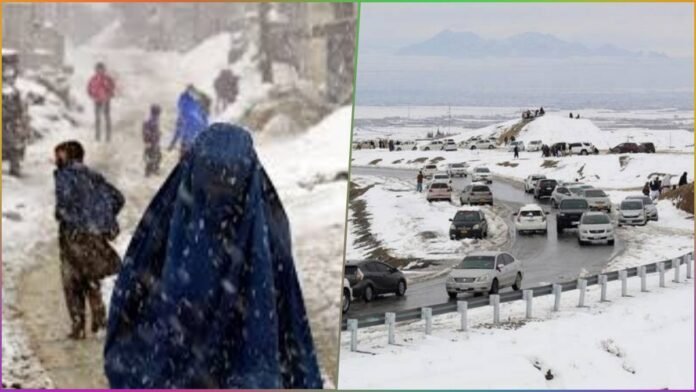
Afghanistan has been struck by a devastating wave of winter storms that have left multiple provinces isolated under thick layers of snow, killing at least 11 people and injuring three others. According to the National Disaster Management Authority (NDMA), relentless snowfall and torrential rains since Wednesday have blocked major highways, damaged homes, and deepened the already fragile humanitarian crisis engulfing the country.
Provincial officials say that the eastern regions of Parwan and Wardak, the southern province of Kandahar, the northern provinces of Jawzjan and Faryab, and the central highlands of Bamiyan are among the hardest hit. Emergency teams are struggling to reach remote mountain villages where communication has been cut off for over 48 hours.
Rural Livelihoods Crushed as Livestock Perish
In predominantly agricultural and pastoral regions, the storm’s impact has gone beyond human casualties. At least 530 livestock have died due to the cold, according to early estimates from local authorities. “For many families here, livestock is their only source of food and income,” said a provincial disaster officer in Bamiyan. “Losing even a single animal can mean months of hunger.”
Nine houses have been reported partially damaged in wind-driven blizzards, while several mud structures have collapsed in smaller settlements. The NDMA acknowledged that rebuilding will take months, especially in rural areas where construction materials and equipment are scarce.
Roads Closed, Relief Efforts Hampered
Major connecting roads, including the Kabul–Bamiyan and Kandahar–Zabul routes, remain completely blocked by heavy snow accumulation. Convoys carrying food and fuel have been halted, forcing prices of essentials like flour and kerosene to spike overnight. Emergency crews using bulldozers and snow plows are clearing key transport corridors, but officials warn that low visibility and continued snowfall are delaying progress.
Afghanistan’s Meteorological Department issued a fresh weather warning, forecasting more snow and rain across the central highlands and northern plateau for the next three days. Authorities have urged citizens to avoid unnecessary travel and brace for continued power and water outages.
Humanitarian Crisis Deepens with Refugee Expulsions
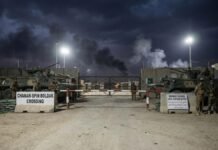
The latest disaster has struck at a time when Afghanistan is grappling with a worsening refugee and economic crisis. Doctors Without Borders (MSF) reports that tens of thousands of Afghans expelled from Pakistan are now living in temporary camps near Torkham and Spin Boldak without adequate shelter or heating. “Families are facing freezing temperatures in tents made for summer conditions,” the organization said in a statement.
Conditions in these camps remain dire. Clean water and medical aid are scarce, while food distribution is irregular due to blocked roads. Aid workers warn of rapidly spreading respiratory infections, particularly among children and the elderly. MSF’s team leader in Pakistan, Shu Weibing, cautioned that “without adequate supplies and healthcare, this winter could turn into a silent killer for thousands of displaced Afghans.”
International Calls for Urgent Aid
Humanitarian agencies are appealing to the international community to scale up emergency aid. The United Nations Office for the Coordination of Humanitarian Affairs (OCHA) has requested additional funding for winter response operations, noting that more than 24 million Afghans, over half the population, already depend on assistance.
Despite Taliban-led authorities promising quick restoration efforts, logistical challenges remain immense. Freezing temperatures, limited fuel supplies, and damaged infrastructure continue to obstruct relief missions. As snow continues to fall, many fear that the true scale of the devastation will only become clear once roads reopen and communication is restored in remote provinces.