


































Key Points
- 21-hour marathon talks in Pakistan end without a diplomatic breakthrough.
- VP JD Vance departs Islamabad after presenting a “final and best offer.”
- Iran rejects U.S. demands regarding long-term nuclear commitments.
- Disputes persist over control of the Strait of Hormuz and frozen assets.
- A fragile two-week ceasefire remains the only buffer against renewed conflict.
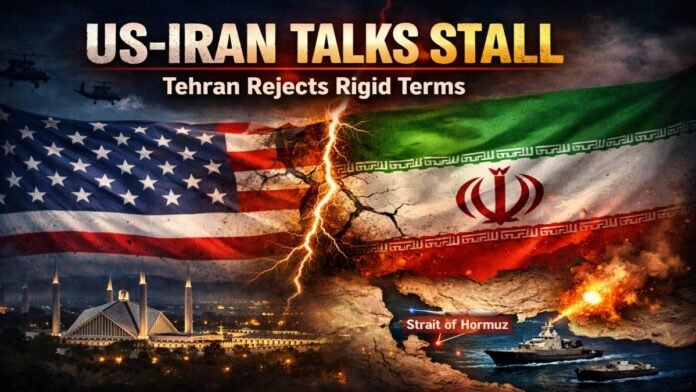
The diplomatic atmosphere in Islamabad turned somber early Sunday as high-level negotiations between the United States and Iran ended in a stalemate. Following 21 hours of intensive, face-to-face dialogue, the Iranian delegation expressed significant frustration, stating that the U.S. presented “excessive and stringent” conditions that made reaching a consensus impossible.
The talks, hosted by Pakistani Prime Minister Shehbaz Sharif and Army Chief Asim Munir, represented the highest level of direct engagement between Washington and Tehran in decades. However, the optimism that characterized the start of the summit quickly evaporated. According to officials from Tehran, the American approach was defined by a notable lack of flexibility. The Iranian side emphasized that while specific technical and political issues were addressed, the “unbalanced” nature of Washington’s requirements prevented a breakthrough.
U.S. Vice President JD Vance, who led the American delegation alongside special envoy Steve Witkoff and Jared Kushner, departed Pakistan shortly after the talks concluded. Before boarding Air Force Two, Vance characterized the U.S. proposal as a “final and best offer,” emphasizing that Washington remains firm on its core requirement, a fundamental, long-term commitment from Iran to abandon its nuclear weapons program.
Beyond the nuclear impasse, control over the Strait of Hormuz remains a critical sticking point. Iran continues to demand sovereignty over the waterway, while the U.S. insists on the immediate cessation of tolls and the removal of sea mines to ensure global energy security.
This latest breakdown makes it clear that deep-seated differences persist between the two nations. While a two-week ceasefire initiated on April 7 remains technically in place, the prospect of a permanent peace deal is now increasingly uncertain. Without a clear mechanism for compromise, both delegations have returned home, leaving the international community to brace for a potential escalation in regional tensions.