































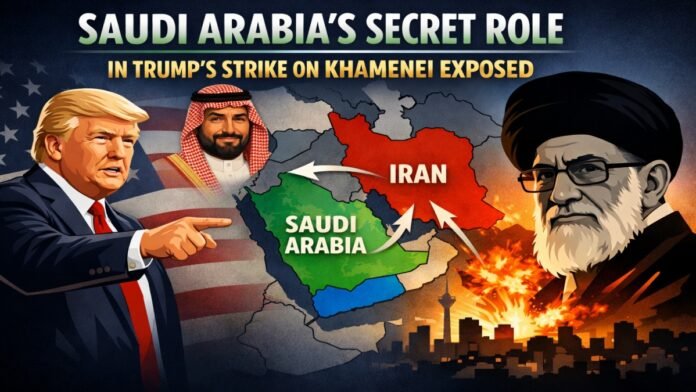
Key Highlights
- Secret Lobbying: Sources reveal that Crown Prince Mohammed bin Salman (MBS) made multiple private calls to Trump urging a decisive military strike to “stop” Iran.
- Intelligence Disconnect: The strike reportedly proceeded despite US intelligence assessments suggesting that Tehran did not pose an imminent threat to the American mainland.
- The Kushner Connection: Analysts believe MBS leveraged his close personal relationship with Jared Kushner to bypass traditional diplomatic channels and reach the President.
- Oil Security Guarantee: Saudi Arabia reportedly assured the US it would stabilize global energy markets and manage oil supplies in the event of Iranian retaliation.
- Public vs. Private: While Saudi officials publicly advocated for Middle Eastern unity, internal reports suggest a high-stakes strategy to eliminate their primary regional rival.
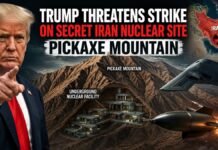
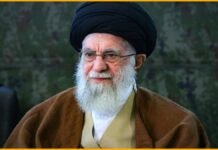
The geopolitical landscape of the Middle East has been permanently altered following the death of Ayatollah Ali Khamenei, but new evidence suggests the spark for “Operation Epic Fury” was lit in Riyadh as much as in Washington or Tel Aviv. According to a detailed investigation by The Washington Post, US President Donald Trump ordered the high-stakes strikes after weeks of intense, private lobbying by his closest regional allies, specifically Israeli Prime Minister Benjamin Netanyahu and Saudi Crown Prince Mohammed bin Salman.
Citing four high-level sources familiar with the discussions, the report alleges that MBS initiated multiple telephone conversations with Trump over the last month. During these calls, the Crown Prince reportedly argued that a “rare window of opportunity” had opened to dismantle the Iranian leadership, which he described as an existential threat to the global order. This private stance stood in stark contrast to Saudi Arabia’s public rhetoric, which had been cautiously supportive of China, led reconciliation efforts, and promoted regional stability.
The Role of Jared Kushner and the Intelligence Gap
One of the most striking revelations is the bypass of official US intelligence assessments. Director of National Intelligence Tulsi Gabbard and other top intelligence officials had reportedly briefed the White House that Iran was years away from possessing a military capability that could directly threaten the United States. However, the report suggests that Trump was moved more by the personal counsel of his son, in, law, Jared Kushner, and special envoy Steve Witkoff.
Kushner, who maintains a long-standing and well, documented friendship with the Saudi Crown Prince, reportedly served as a vital bridge for Riyadh’s interests. Analysts suggest that the “Kushner, MBS” axis was instrumental in convincing Trump that the rewards of a regime, destabilizing strike outweighed the risks of a wider war. By framing the operation as a definitive end to “Kamas, level” threats across the region, the lobbyists successfully aligned Trump’s “strength through action” doctrine with their own strategic goals.
Economic Safeguards and Regional Security
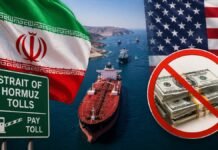
To mitigate the risk of a global economic collapse following an attack on Iran, the Saudi government reportedly provided the Trump administration with a “comprehensive energy guarantee.” This agreement allegedly promised that the Kingdom would mobilize its spare production capacity to prevent a permanent spike in oil prices, should Iran attempt to blockade the Strait of Hormuz.
This assurance was critical for Trump, whose domestic mandate is heavily tied to economic performance and low fuel prices. The report also claims that Saudi Defense Minister Khalid bin Salman met with US officials in Washington as early as January 2026 to outline the negative consequences of leaving the Iranian regime “untouched” while it continued its nuclear and ballistic advancements.
A Fragile Reconciliation Shattered
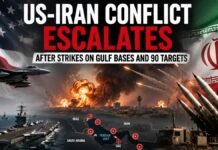
The exposure of this secret lobbying has effectively ended the fragile “frenemy” relationship that had been building between Tehran and Riyadh since the 2023 Beijing Accord. While the IRGC has already retaliated with strikes against several Gulf nations, the revelation of Saudi Arabia’s proactive role in the death of the Supreme Leader is likely to fuel a generation of sectarian and political animosity.
As the 40-day mourning period begins in Iran, the international community is now left to grapple with a new reality where regional powers are no longer operating in the shadows. The coming days will reveal whether the Saudi gamble to “force change” in Iran will result in the regional security they promised or a prolonged cycle of violence that could engulf the entire Gulf.