






























Key Points
- IndiGo cancelled over 300 flights on December 4, 2025, following 150 cancellations on December 3, totaling 1,232 cancellations in November alone
- Bengaluru airport reported 73 flight cancellations, Hyderabad 68, Mumbai 85 planned cancellations, and Delhi approximately 30 on December 4
- On-time performance crashed to 35% during the crisis, down from 67.7% in November and 84.1% in October
- New FDTL rules implemented November 1 increased pilot rest requirements and restricted night operations, creating severe crew shortage
- DGCA has launched formal probe and demanded information from IndiGo management regarding passenger care protocols and operational failures
- IndiGo CEO Pieter Elbers announced “calibrated adjustments” to schedules for 48 hours to normalize operations
- Federation of Indian Pilots blamed IndiGo’s “lean staffing strategy” and failure to recruit additional pilots despite two years advance notice
- Technology failures at Delhi and Pune airports on December 2 caused check-in system breakdowns, creating cascading delays
- Airport terminals experiencing massive crowding, long queues, and passengers forced to rebook as remaining flight fares spike sharply
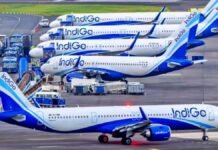
India’s aviation sector witnessed its most severe operational crisis in recent memory on December 4, 2025, as IndiGo, the nation’s largest airline commanding over 60% of domestic air traffic, cancelled a staggering 300 plus flights in a single day across its network. The scale of disruption became dramatically evident with Bengaluru’s Kempegowda International Airport alone reporting 73 IndiGo flight cancellations, while Hyderabad recorded 68 cancelled flights, Mumbai faced 85 planned cancellations for Thursday, and Delhi’s Indira Gandhi International Airport saw approximately 30 cancellations.
This massive disruption marked the third consecutive day of chaos at major Indian airports, following at least 150 cancellations on December 3 and similar widespread disruptions on December 2. The airline, which operates approximately 2,300 domestic and international flights daily, effectively cancelled nearly 7 percent of its services within a 48-hour period, creating a ripple effect that has paralyzed airport operations nationwide and affected thousands of passengers during peak winter travel season.
Root Cause: New FDTL Rules and IndiGo’s Staffing Crisis
The core trigger behind the unprecedented operational meltdown is IndiGo’s inability to adjust to new Flight Duty Time Limitation (FDTL) regulations that came into force on November 1, 2025, following Delhi High Court directives aimed at addressing pilot fatigue and enhancing flight safety. These regulations significantly increase mandatory rest periods for pilots, extend the definition of night operations, impose stricter caps on night landings, and restrict the total number of hours and sectors a pilot can legally fly within specific timeframes.
According to data from the Directorate General of Civil Aviation (DGCA), IndiGo cancelled 1,232 flights during November 2025, with 755 of these cancellations directly linked to crew shortages and the implementation of new FDTL rules. The Federation of Indian Pilots has sharply criticized IndiGo for maintaining a “lean staffing strategy” for years and failing to recruit additional pilots despite having two years advance notice about the impending regulatory changes, while other airlines successfully anticipated the higher crew requirements and adjusted their operations accordingly.
Compounding Factors: Tech Glitches, Weather, and Winter Schedules
While the FDTL-related crew shortage represents the primary catalyst, IndiGo has cited a complex mix of operational challenges that have created a perfect storm of disruption. In a statement, an IndiGo spokesperson explained, “Minor technology glitches, schedule changes linked to the winter season, adverse weather conditions, increased congestion in the aviation system and the implementation of updated crew rostering rules (Flight Duty Time Limitations) had a negative compounding impact on our operations in a way that was not feasible to be anticipated.”
Technology failures at critical airports significantly worsened the situation, with Delhi and Pune airports reporting breakdowns in check-in and departure control systems on December 2, leading to long queues and cascading delays across multiple IndiGo flights. Given IndiGo’s tightly interconnected aircraft and crew movements across its extensive network, these early disruptions compounded throughout the day and across subsequent days. High winter passenger traffic volumes, fog-related operational stress particularly affecting North Indian airports, and congestion at metro airports added further pressure, making operational recovery extremely difficult.
DGCA Launches Formal Investigation, Summons Airline Leadership
The Directorate General of Civil Aviation has taken decisive action in response to the crisis, launching a formal investigation into IndiGo’s operations and summoning the airline’s top management to explain the unprecedented scale of cancellations and delays. On Wednesday, the aviation regulator announced it had questioned the airline regarding its sharp drop in performance during November and initiated a comprehensive probe into whether passenger care protocols and advance intimation rules were properly followed.
DGCA stated in an official announcement, “The DGCA is currently investigating the situation and evaluating measures along with the airline, to reduce cancellations and delays, in order to minimise inconvenience being caused to passengers.” Regulators are examining whether IndiGo needs to temporarily cut its schedule or make further operational adjustments to ensure that flights remaining on the roster can operate more reliably. However, IndiGo issued a clarification stating, “We clarify that the company is not aware of any probe by the DGCA. The DGCA, however, has sought certain information in connection with the said matter and the Company is in the process of providing the same.”
IndiGo CEO Announces Calibrated Schedule Adjustments
IndiGo CEO Pieter Elbers addressed the crisis through internal communications and public statements, acknowledging the severe operational challenges while outlining recovery measures. The airline announced it had initiated “calibrated adjustments” to its flight schedules that would remain in effect for 48 hours starting December 4, designed to allow the airline to normalize operations and progressively recover punctuality across its extensive network.
In an internal email to employees, Elbers attributed the disruptions to an “accumulation of issues” rather than a single cause, emphasizing the complexity of factors ranging from regulatory compliance to weather conditions and technical challenges. The CEO stated that the goal is to “normalise operations” and restore IndiGo’s reputation for reliability, famously known in the industry as “IndiGo Standard Time” due to its historical practice of closing boarding gates well ahead of departure to maintain punctuality.
Dramatic Impact on Passengers and Airport Operations
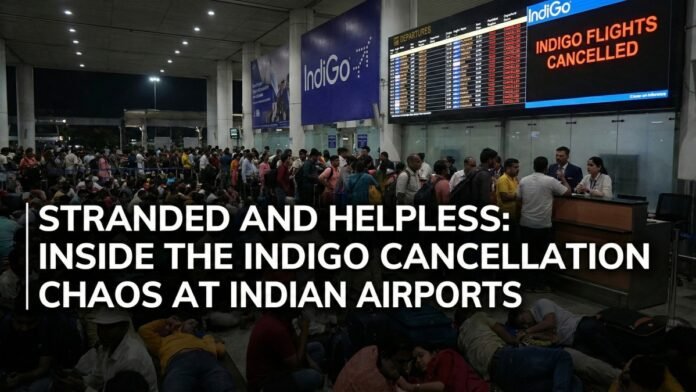
The operational crisis has created severe hardships for passengers across India’s major airports, with terminals witnessing unprecedented scenes of chaos, confusion, and frustration. Flight information display boards at Delhi’s Indira Gandhi International Airport, Mumbai’s Chhatrapati Shivaji Maharaj International Airport, Bengaluru’s Kempegowda International Airport, and Hyderabad’s Rajiv Gandhi International Airport showed extensive red cancellation notices for IndiGo flights throughout December 3 and 4.
Airport terminals have become overwhelmed with massive crowding and long queues as thousands of stranded travelers attempt to rebook flights, seek refunds, or find alternative travel arrangements during peak winter holiday season. In Kolkata, 24 IndiGo flights including 10 arrivals and 14 departures were delayed due to operational reasons, with two international flights heading to Singapore and Siem Reap, Cambodia, among those affected. Because IndiGo dominates the domestic market with over 60% share, its widespread cancellations and delays are disrupting overall airport operations, creating knock-on effects even for other airlines sharing the same runways, gates, airspace, and ground handling resources.
Sharp Fare Increases and Passenger Rights Concerns
As hundreds of flights were removed from service, fares on remaining IndiGo and competitor flights have spiked sharply, with passengers reporting dramatic price increases for last-minute bookings and rebooking attempts. The sudden capacity reduction in India’s aviation market, where IndiGo operates the majority of flights, has created artificial scarcity that has benefited airlines financially while imposing significant additional costs on affected passengers forced to rebook or seek alternative travel options.
Aviation consumer advocates and passenger rights groups have raised concerns about whether IndiGo properly followed DGCA’s passenger charter requirements during the mass cancellations, including timely advance intimation of cancellations, provision of full refunds or alternate flight arrangements, food and water during extended delays, and appropriate accommodation for passengers stranded overnight. The DGCA investigation will specifically examine IndiGo’s compliance with these mandatory passenger care protocols during the crisis period.
Performance Metrics Reveal Severity of Operational Collapse
Official data from the Ministry of Civil Aviation reveals the dramatic deterioration in IndiGo’s operational performance over recent months, painting a stark picture of the airline’s struggles. On-time performance, a key metric of airline reliability, crashed to approximately 35% during the peak of the December crisis, representing a catastrophic decline from 67.7% in November 2025, which itself was significantly down from 84.1% in October 2025.
This collapse in punctuality and reliability represents an existential threat to IndiGo’s brand reputation, which has been carefully built over two decades of operations on the promise of on-time performance and operational efficiency. The airline’s struggle to recover from the compounding effects of FDTL implementation, technical failures, and seasonal challenges demonstrates the fragility of tightly optimized airline operations when multiple disruption factors converge simultaneously.
Essential Guidance for Passengers Flying in Coming Days
Aviation experts and consumer advocates are urging passengers booked on IndiGo flights over the next several days to take proactive precautions to minimize disruption. Travelers should check flight status directly on IndiGo’s mobile app, website, and airport websites before leaving home, and should expect a significantly higher risk of cancellations or extended delays if booked on IndiGo during the December 4,6 period while the airline implements its “calibrated adjustments.”
Passengers are advised to keep substantial buffer time for connecting flights, carry essential medications and mobile device chargers in hand baggage rather than checked luggage, and arrive at airports prepared for potential long waiting times. In case of cancellation, passengers should immediately approach the airline service desk to request rebooking on the next available flight, full refund options, meal vouchers, and basic assistance as mandated under DGCA’s passenger charter. Travelers with urgent travel needs may consider rebooking on alternative carriers if IndiGo cannot provide acceptable options, though this may involve additional out-of-pocket costs that can later be claimed through the airline’s customer service channels or consumer forums.