




























Key Points
- Arctic Militarization: Greenland has transitioned from a climate research hub to a critical strategic frontier for NATO and Russia.
- Ukraine Stagnation: The conflict enters its fifth year, shifting toward a high-tech war of attrition with increasing risks of direct NATO involvement.
- Asia-Pacific Friction: Heightened naval activity around the Taiwan Strait and the Korean Peninsula continues to threaten global semiconductor supply chains.
- Diplomatic Paralysis: The United Nations remains deadlocked, leaving a vacuum for unilateral military actions by regional powers.
Greenland, once perceived primarily as a landscape of ice and isolation, has emerged as the centerpiece of a new “Great Game.” As polar ice recedes at record rates, the opening of Northern Sea Routes and access to vast deposits of rare earth minerals have drawn intense interest from the United States, Russia, and China.
The U.S. has significantly increased its presence at Pituffik Space Base, while European allies have expanded maritime patrols to counter Russian Northern Fleet activity. This region, once a zone of environmental cooperation, is now a high-stakes arena where resource extraction and military positioning could easily lead to miscalculation, making it a primary sensitive zone in 2026.
The Ukraine Crisis: Entering the Fifth Year
February 2026 marks the fourth anniversary of the full-scale invasion of Ukraine, pushing the conflict into its fifth year. The front lines have largely stabilized, yet the intensity of drone warfare and long-range strikes has reached an all-time high.
The threat of escalation remains acute, particularly as Russia continues its mobilization efforts and NATO countries weigh the provision of even more advanced long-range capabilities. What began as a territorial dispute in 2022 has evolved into a fundamental battle over European security architecture, testing the industrial and political endurance of the West.
Global Flashpoints: Taiwan, Iran, and Korea
While Eastern Europe remains a primary concern, other theaters are reaching a boiling point:
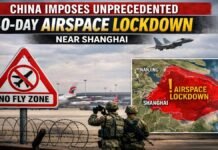
- Taiwan Strait: China’s military drills have become more frequent and sophisticated, surrounding the island with naval and air assets. The “Silicon Shield,” Taiwan’s dominance in microchip production, remains the only deterrent preventing a total economic and military blockade that would paralyze the global economy.
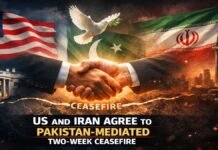
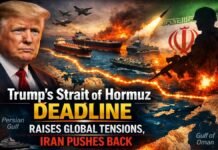
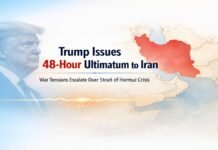
- The Middle East: Iran’s nuclear program has reportedly reached a “breakout” threshold, leading to stern warnings from Washington and Tel Aviv. The instability in West Asia, compounded by regional proxy conflicts, remains a persistent threat to global energy security.
- The Korean Peninsula: Diplomacy between the North and South has completely stalled. Pyongyang’s aggressive rhetoric, combined with the development of sophisticated delivery systems, has revived fears of a nuclear escalation that could involve major regional powers.
The Erosion of International Diplomacy
The global institutional framework, led by the United Nations, is struggling to maintain its relevance. Frequent use of the veto power in the Security Council has rendered it unable to intervene in major crises, allowing powerful nations to act with increasing impunity.
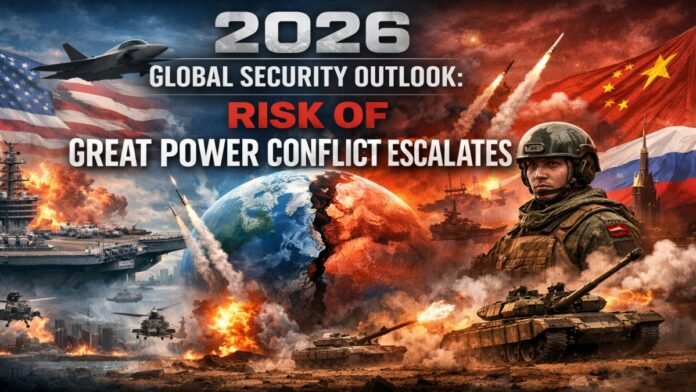
Experts warn that the current state of global affairs mirrors the era of “polycrisis,” where multiple, overlapping conflicts feed into one another. Without a renewed commitment to multilateral dialogue, 2026 may be remembered as the year the post-Cold War order finally fractured, replaced by a world of competing blocs and heightened military readiness.