

























Key Points
- UNSC passed Trump’s Gaza peace plan with 13 votes, Russia and China abstained
- International Stabilization Force authorized to disarm Hamas and secure Gaza
- Hamas rejected the plan as violation of autonomy and unwanted guardianship
- Proposal includes new Palestinian police force and reconstruction trust fund
- Resolution comes during fragile ceasefire that began October 10, 2025
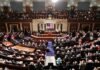
After two years of devastating conflict in Gaza, the United Nations Security Council took a historic step Monday by adopting US President Donald Trump’s comprehensive 20-point peace proposal. The resolution passed with 13 votes in favor, while Russia and China abstained from voting, giving the American-backed plan a binding international mandate that could reshape the future of the Palestinian territory.
The US-drafted resolution authorizes the creation of an International Stabilization Force, a multinational peacekeeping body designed to oversee Gaza’s transition from conflict to stability. US Ambassador Mike Waltz revealed that multiple countries have already expressed interest in contributing troops to the force, though their names have not been publicly disclosed.
What Is the International Stabilization Force?
The ISF represents a cornerstone of Trump’s peace strategy, tasked with several critical missions in Gaza. Ambassador Waltz outlined the force’s mandate before the Security Council, explaining that ISF personnel will be responsible for “securing the area, supporting the demilitarization of Gaza, dismantling terrorist infrastructure, removing weapons, and ensuring the safety of Palestinian civilians.”
The peacekeeping force will coordinate closely with Gaza’s neighboring countries, particularly Egypt and Israel, to maintain regional security and facilitate humanitarian operations. One of its primary objectives involves permanently disarming non-state armed groups operating in the territory, including Hamas and other militant organizations.
Hamas Demands Disarmament Under Peace Framework
Under Trump’s proposal, Hamas would be required to surrender all weapons and military equipment as a precondition for long-term peace. The ISF would oversee this disarmament process while simultaneously supporting the delivery of humanitarian aid to Gaza’s civilian population, which has suffered immensely throughout the prolonged conflict.
The force’s mandate extends beyond security operations to include dismantling underground tunnel networks, weapons manufacturing facilities, and other infrastructure used by armed groups. This comprehensive approach aims to prevent future military buildups while creating conditions for sustainable peace.
Hamas Denounces Plan as Unwanted Foreign Intervention
Despite receiving broad international support at the Security Council, Hamas issued a scathing rejection of the peace plan within hours of the vote. The militant group characterized the resolution as an unacceptable violation of Palestinian sovereignty and an insult to resistance movements opposing external influence in Gaza.
In a detailed statement posted on Telegram, Hamas condemned what it called an “international guardianship mechanism” being imposed on the Gaza Strip. “Our people and their factions reject this plan,” the statement declared, emphasizing that Palestinians should determine their own political future without foreign oversight.
Hamas specifically criticized the ISF’s disarmament mandate, arguing that this requirement strips the force of any claim to neutrality. “The ISF becomes a party to the conflict on the side of the occupation,” Hamas stated, referencing Israel. The group contends that the proposal fails to address fundamental Palestinian rights, including self-determination and freedom from occupation, while imposing unwanted external authority over the territory.
Additional Components of Trump’s Peace Strategy
Beyond the International Stabilization Force, Trump’s comprehensive plan includes several other significant initiatives aimed at rebuilding Gaza’s institutions and infrastructure. A key component involves creating a newly trained Palestinian police force that would replace the current Hamas-run security apparatus, establishing civilian law enforcement accountable to international standards.
The proposal also calls for establishing a “Board of Peace,” an international oversight body expected to be chaired by President Trump himself. This board would coordinate reconstruction efforts and monitor implementation of the peace agreement’s various provisions.
Financial support for Gaza’s reconstruction would come through a World Bank-backed trust fund, pooling international donations to rebuild homes, schools, hospitals, and critical infrastructure destroyed during the conflict. This economic dimension of the plan recognizes that lasting peace requires addressing the humanitarian catastrophe and economic devastation that have plagued Gaza.
Fragile Ceasefire Holds Amid Diplomatic Push
The Security Council vote occurred during a delicate period as global powers work to maintain the current ceasefire agreement. Ambassador Waltz described the initial ceasefire phase, which commenced October 10 with exchanges of hostages and detainees, as a “fragile, fragile first step” toward ending hostilities.
The conflict that necessitated this peace initiative began with Hamas’s October 7, 2023 attack on Israel, which resulted in approximately 1,200 deaths. Israel’s subsequent military offensive in Gaza has claimed more than 69,000 Palestinian lives, according to figures from the Hamas-ruled Gaza Health Ministry. The massive casualties and widespread destruction have created an urgent humanitarian crisis demanding international intervention.
The coming weeks will prove critical as international diplomats attempt to move from ceasefire to comprehensive peace despite Hamas’s rejection of the current framework. Whether the International Stabilization Force can deploy and fulfill its mandate without cooperation from Gaza’s de facto governing authority remains uncertain, potentially determining whether Trump’s ambitious peace plan succeeds or joins previous failed attempts to resolve one of the world’s most intractable conflicts.