























Key Points
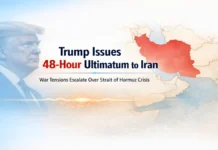
- Final Deadline: Iran has until 8:00 PM ET on Tuesday, April 7, 2026, to reopen the strategic waterway or face total infrastructure destruction.
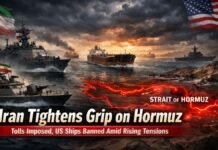
- Toll Collection Shift: Trump asserted that the U.S., not Iran, should rightfully collect transit tolls in the Strait of Hormuz due to its established military dominance.
- Massive Rescue Confirmed: Details emerged of a “movie-like” rescue of a downed U.S. pilot involving 200 soldiers and 21 aircraft in hostile Iranian territory.
- Infrastructure Threats: The U.S. military has contingency plans to neutralize Iran’s energy grid and transportation networks within hours.
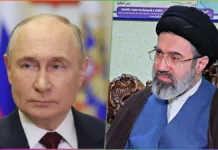
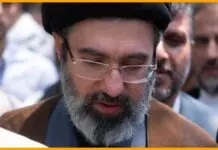
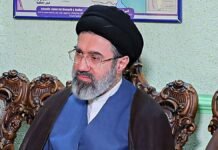
- Regime Defiance: New Supreme Leader Mojtaba Khamenei declared that the loss of leadership and U.S. threats will not deter Iran’s regional objectives.
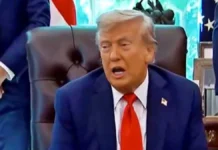
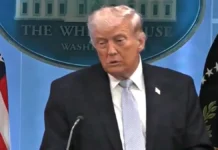
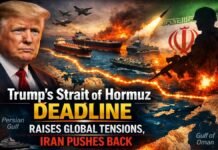
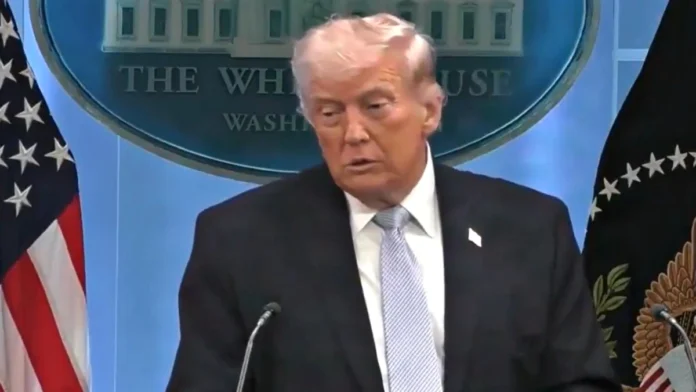
In a high-stakes press conference at the White House on Monday, President Donald Trump tightened the noose on the Iranian regime, declaring that the time for negotiation is nearly over. With the 10-day ultimatum set to expire at 8:00 PM ET tonight, the President warned that failure to comply with U.S. demands regarding the Strait of Hormuz would result in a military response of unprecedented proportions.
“Iran has a very limited amount of time remaining,” Trump told reporters, adding that the situation would become “extremely grave” the moment the clock strikes eight. He reiterated his stance that Iran will never be allowed to possess nuclear weapons and suggested that the U.S. is prepared to inflict massive damage upon the capital and critical infrastructure in a “single night.”
The “Power Plant Day” Doctrine
Central to the President’s threat is the promise of “Power Plant Day” and “Bridge Day.” Trump claimed that the U.S. military possesses specialized contingency plans to systematically dismantle Iran’s energy grid and transportation bridges within a matter of hours. While he stated the U.S. does not “wish” to take such drastic measures, he emphasized that military intervention is not just an option, but a “viable reality” if the waterway remains closed.
In a bold shift in maritime policy, Trump also suggested that the United States should take over the authority to collect tolls from vessels transiting the Strait of Hormuz. Arguing that the U.S. has established a definitive military advantage in the region, he stated that the settlement must occur on American terms, effectively stripping Tehran of its primary economic and strategic leverage over global oil and fertilizer transit.
Details of the “Largest-Ever” Pilot Rescue
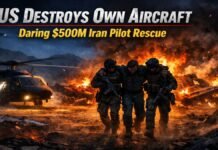
The President utilized the press conference to praise the “courage and capability” of U.S. Special Forces following a complex rescue operation. New details indicate the mission was the largest of its kind, involving approximately 200 soldiers and 21 aircraft to extract a pilot and Weapons Systems Officer (WSO) stranded in the rugged Iranian interior.
During the extraction, U.S. forces were compelled to deliberately destroy a Lockheed Martin C-130 transport aircraft that had become immobilized in sandy terrain. The $100 million aircraft was scuttled to prevent sensitive navigation technology and classified communication hardware from falling into Iranian hands. Despite coming under heavy fire from local militias and IRGC units, the rescue was deemed a total success.
Tehran’s New Leadership Responds
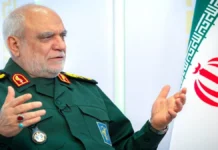
As the deadline approaches, the political landscape in Tehran remains defiant. Mojtaba Khamenei, who has stepped into the role of Supreme Leader following the recent death of Ali Khamenei during “Operation Epic Fury,” issued a stern response. He asserted that the systematic “assassination” of Iranian leaders and the destruction of civilian infrastructure would not deter the nation from its course.
The global community now watches the clock as the 8:00 PM ET deadline approaches. With oil prices hovering near $109 and global supply chains fractured, the outcome of the next several hours will determine if the Middle East moves toward a tenuous settlement or a catastrophic escalation.