






























Key Points:
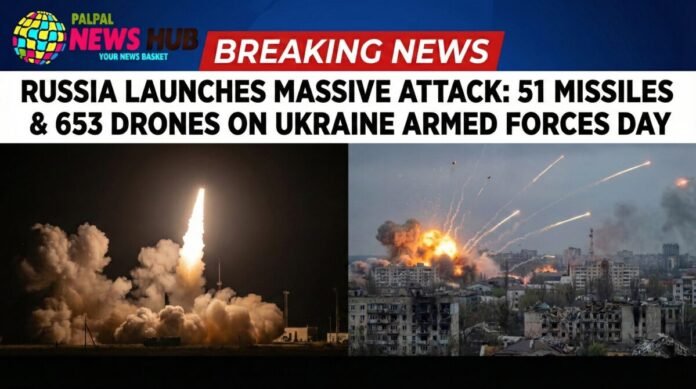
- Russia fired 653 drones and 51 missiles targeting Ukraine overnight
- Ukrainian air defense shot down 585 drones and 30 missiles
- 29 locations struck across Ukraine despite strong defense
- Energy facilities heavily targeted, Zaporizhzhia nuclear plant external power disrupted
- At least 8 people injured, including 3 in Kyiv region
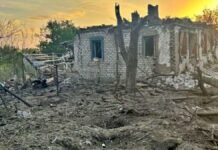
- Fastiv railway station destroyed by drone strike
- Zelensky to meet UK, French, and German leaders in London on December 8
- Trump administration envoys conducting peace talks in Florida with Ukrainian delegation
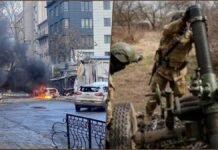
Russia unleashed a devastating overnight assault on Ukraine, firing 653 drones and 51 missiles in one of the largest coordinated attacks of the conflict, deliberately timed to coincide with Ukraine’s Armed Forces Day celebrations on December 6-7. The barrage triggered air raid alerts across the entire country and marked a significant escalation amid ongoing diplomatic negotiations aimed at ending the nearly four-year war. Ukrainian Air Force officials confirmed that defensive systems successfully intercepted 585 drones and 30 missiles, preventing a complete catastrophe, yet the sheer volume of incoming weapons meant that 29 locations were still struck across Ukrainian territory.
President Volodymyr Zelensky stated on social media that Russian forces deliberately focused on energy infrastructure, declaring, “The main targets of these strikes, once again, were energy facilities. Russia aims to inflict suffering on millions of Ukrainians.” The assault included a direct hit on the Fastiv railway station, approximately 70 kilometers southwest of Kyiv, which was burned down completely. Ukrainian Interior Minister Ihor Klymenko reported that at least 8 people were injured during the attacks, including 3 from the Kyiv region, though casualty figures remained fluid as rescue operations continued.
Critical Infrastructure Under Siege
Energy facilities bore the brunt of Russia’s coordinated offensive, representing a deliberate strategy to cripple Ukraine’s power system during early winter when civilians depend most heavily on heating. According to Ukraine’s national power company Ukrenergo, Moscow is pursuing a systematic campaign to weaken the country’s electricity grid during the critical heating season. The Zaporizhzhia nuclear power plant, Europe’s largest nuclear facility, experienced a temporary disruption to its external power supply during the bombardment, creating a dangerous situation that prompted immediate intervention from plant operators.
The International Atomic Energy Agency warned that even though the reactors at Zaporizhzhia remain shut down following Russia’s takeover, a continuous electricity supply is essential to cool spent nuclear fuel stored on-site. Experts have cautioned that a prolonged power outage could trigger a serious nuclear accident with catastrophic regional consequences. Notably, the entire facility remains under Russian military control, compounding security concerns. Ukrainian and Western officials have extensively documented that Russia has systematically attacked electricity, water, and heating infrastructure every winter for the past four years, implementing what they characterize as “weaponizing winter” tactics designed to maximize civilian suffering.
Diplomatic Developments Amid Conflict
The massive missile and drone attack occurred while diplomatic negotiations were actively underway in Florida between envoys from the Trump administration and Ukrainian representatives. President Zelensky reported having a “substantive phone call” with American officials overseeing the talks, emphasizing Ukraine’s commitment to achieving “genuine peace.” The Ukrainian delegation, led by chief negotiator Rustem Umerov and National Security and Defense Council Secretary Andriy Yermak, has been engaged in multi-day discussions focused on developing a post-war security framework.
Zelensky confirmed plans to travel to London on December 8 to meet with British Prime Minister Keir Starmer, French President Emmanuel Macron, and German Chancellor Friedrich Merz to coordinate European positions on peace negotiations. These high-level diplomatic meetings represent efforts by Western European leaders to influence ongoing peace discussions, particularly following the U.S. administration’s release of controversial peace frameworks that some viewed as potentially disadvantageous to Ukraine. Zelensky stressed that Ukraine seeks genuine peace only if Russia approaches negotiations seriously, and that any security arrangements must adequately protect Ukrainian interests and territorial integrity.
Strategic Context and Future Outlook
The Russian offensive illustrates Moscow’s determination to maintain military pressure on Ukraine while negotiations continue, a pattern that has characterized the entire conflict. The targeting of energy infrastructure reflects Russia’s strategy to maximize civilian hardship and potentially force Ukraine into accepting unfavorable peace terms. Ukraine has responded with intensified long-range drone strikes on Russian refineries and military targets, attempting to degrade Moscow’s military-industrial capacity and reduce oil export revenues.
Security analysts note that the scale of this attack, involving over 700 missiles and drones, demonstrates Russia’s substantial remaining military capabilities despite nearly four years of continuous warfare. The successful interception rate of approximately 87 percent showcases Ukrainian air defense improvements, particularly following recent Western military aid deliveries, though the sheer volume of incoming weapons means significant damage remains inevitable.