




























Key Highlights
- Duration: A 32-hour ceasefire from 4:00 PM on April 11 until midnight on April 12.
- Purpose: To allow civilians to celebrate Orthodox Easter safely.
- Mediation: Reports indicate the United States played a key role in facilitating the dialogue.
- Context: The move follows a separate ceasefire agreement between the U.S. and Iran.
- Timeline: The conflict is now entering its fifth year since the February 2022 invasion.
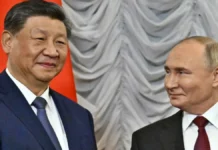
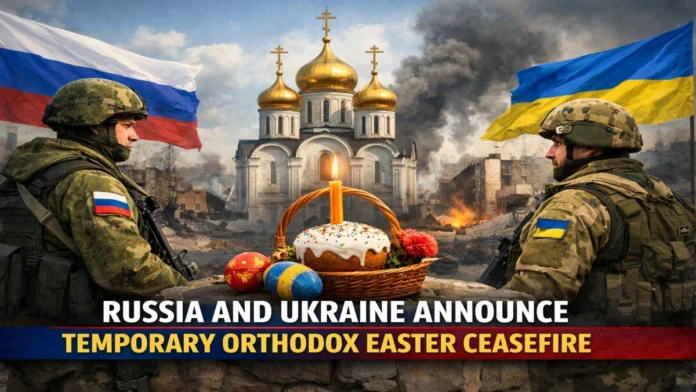
In a move that mirrors recent diplomatic breakthroughs between the U.S. and Iran, a brief window of peace has been established on the frontlines of Eastern Europe. Russian President Vladimir Putin has officially declared a temporary ceasefire to coincide with Orthodox Easter, offering a momentary reprieve to soldiers and civilians alike.
According to a formal statement from the Kremlin, all military activities are scheduled to halt at 4:00 PM on April 11, with the suspension lasting through the end of April 12. While the 32-hour window is limited in scope, Russian officials expressed hope that Ukraine would reciprocate the gesture to ensure a peaceful holiday period.
The Significance of Orthodox Easter
For both Russia and Ukraine, Orthodox Easter is the most significant date on the religious calendar. Celebrated according to the Julian calendar, the holiday serves as a deep cultural link between the two nations, despite the current state of war. This year, the holiday falls on April 12, and the ceasefire is designed to allow the faithful to attend church services and visit family without the immediate threat of bombardment.
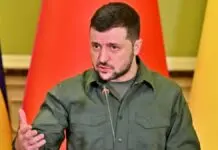
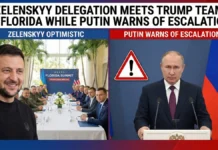
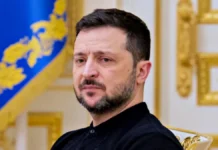
President Volodymyr Zelenskyy responded to the announcement by affirming Ukraine’s commitment to humanitarian safety. Zelenskyy noted that Kyiv has previously proposed similar pauses for religious observances and remains ready to maintain the peace. He emphasized that the citizens of Ukraine deserve a safe holiday, suggesting that this initiative could serve as a test for more sustained diplomacy.
Diplomatic Undercurrents and U.S. Mediation
The announcement comes at a critical juncture, as the war has now persisted for over four years. Since the full-scale invasion began in 2022, the toll on infrastructure and human life has been staggering. Recent reports suggest that the United States has been active behind the scenes, playing a mediating role to protect energy grids and reduce civilian casualties.
This Easter pause follows recent discussions regarding the protection of energy infrastructure, a point Zelenskyy has championed to prevent further humanitarian crises. While the international community remains cautious about the long-term implications of such a short-term measure, the ceasefire is being viewed as a necessary, if small, step toward broader stability in a conflict that has reshaped global politics.