




























Key Points
- Interest Rates Unchanged: The MPC unanimously voted to keep the repo rate at 5.25% to balance inflation and growth.
- Growth Projections: FY26 GDP remains steady at 7.6%, but FY27 is expected to moderate to 6.9% due to geopolitical shocks.
- Inflation Concerns: CPI inflation for FY27 is projected at 4.6%, driven by “imported inflation” from elevated crude oil prices.
- Supply Chain Risks: “Operation Epic Fury” has caused severe disruptions in the Strait of Hormuz, impacting industrial and agricultural inputs.
- Wait-and-Watch Stance: The RBI is closely monitoring the two-week ceasefire and the upcoming Islamabad peace talks scheduled for April 10.
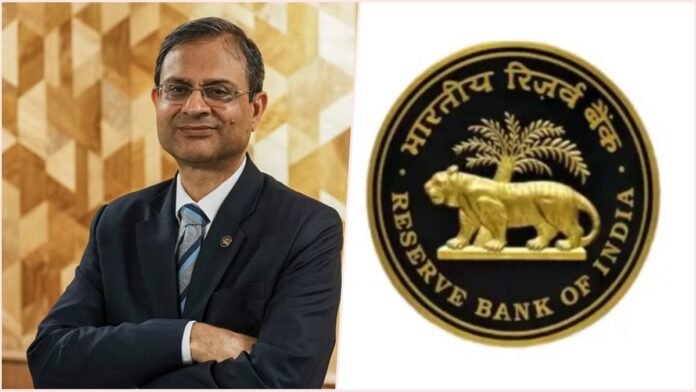
The Monetary Policy Committee (MPC), chaired by Reserve Bank of India (RBI) Governor Sanjay Malhotra, has elected to keep the repo rate unchanged at 5.25%. This decision reflects a strategic “wait and watch” approach as the central bank assesses the economic fallout from the recent military escalation in West Asia. The US-Iran conflict, and its potential impact on the global economy, has emerged as the primary risk to India’s growth prospects, despite the country’s strong internal macroeconomic fundamentals.
Governor Malhotra noted that while India entered the 2026- 27 fiscal year with robust momentum, the intensifying conflict in March significantly altered the global landscape. The central bank highlighted that the current resilience of the Indian economy is far stronger than during previous crises, but cautioned that a prolonged conflict without a definitive resolution would continue to weigh on growth.
Five Channels of Economic Impact
The RBI Governor elaborated on five specific mechanisms through which the ongoing regional instability, characterized by the U.S. campaign “Operation Epic Fury,” is affecting the domestic economy:
- Energy Inflation: Elevated crude oil prices are fueling “imported inflation” and threatening to widen the Current Account Deficit (CAD).
- Supply Disruptions: Blockages in the Strait of Hormuz are affecting the delivery of essential commodities, including fertilizers and industrial raw materials.
- Market Volatility: Increased risk aversion and a flight to “haven” assets like gold have tightened domestic liquidity and impacted investment sentiment.
- External Demand: A weakening global growth outlook is dampening the demand for Indian exports and potentially reducing remittance inflows.
- Financial Spillovers: Volatility in global financial markets is driving up borrowing costs and tightening financial conditions within India.
Shifting from Supply to Demand Crisis
In a stern warning, Governor Malhotra pointed out that supply disruptions, which currently appear to be an initial supply-side crisis, could evolve into a demand-side crisis in the medium term if global logistics and the Strait of Hormuz are not fully restored.
While the GDP growth for the 2025- 26 fiscal year is estimated at 7.6%, the RBI’s first monetary policy review for FY27 projects a slowdown to 6.9%. Quarterly forecasts indicate growth of 6.8% in Q1, 6.7% in Q2, 7.0% in Q3, and a slight recovery to 7.2% in Q4. This trajectory assumes a gradual stabilization of energy prices following the recently announced two-week ceasefire between Washington and Tehran.
Diplomatic Outlook and Market Stability
The RBI’s cautious stance coincides with major diplomatic developments. Following 40 days of intense military operations, a two-week ceasefire mediated by Pakistan is currently in effect. Formal negotiations between U.S. and Iranian delegations are set to commence on Friday, April 10, in Islamabad.
The central bank remains optimistic that the reopening of the Strait of Hormuz will alleviate the “terms of, trade” shock currently hitting the Indian economy. However, with the rupee experiencing heightened volatility and touching the 93 level against the USD, the RBI has signaled its readiness to intervene in the foreign exchange market to ensure that itself, fulfilling expectations, does not further destabilize the currency.