
























Key Points:
- Arif Habib Consortium wins 75% stake in PIA for 135 billion rupees
- Fauji Fertilizer Company Limited (FFPL), linked to Pakistan Army, joins consortium
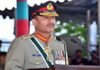
- Army Chief Asim Munir withdrew from direct bidding two days before the auction
- Consortium commits to invest 125 billion rupees in first year for operational upgrades
- Move circumvents auction rules restricting direct military participation
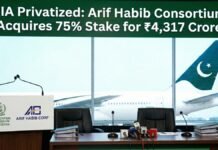
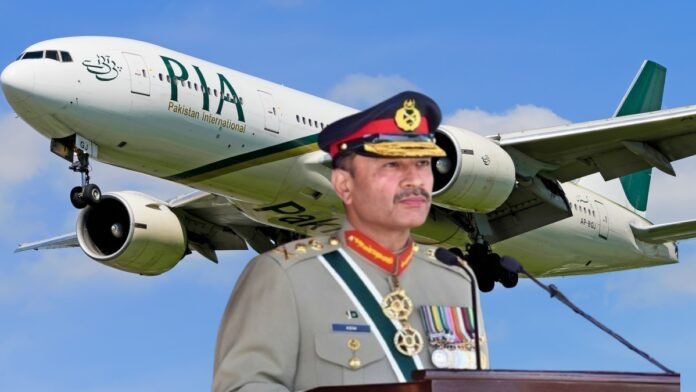
The Arif Habib Consortium has officially announced the inclusion of Fauji Fertilizer Company Limited (FFPL) in its winning bid for Pakistan International Airlines, effectively granting the military a backdoor entry into the country’s flagship carrier. The consortium secured a 75% stake in PIA by bidding 135 billion rupees in the privatization process, significantly exceeding the government’s expectations. On Thursday, the consortium stated that this partnership would provide the airline with financial support and corporate expertise, with FFPL participating in management alongside the Arif Habib group. The consortium has committed to investing 125 billion rupees in the first year to upgrade ground operations and overall services.
Timeline of Strategic Withdrawal and Inclusion
The development follows Army Chief Asim Munir’s sudden withdrawal from the bidding process just two days before the auction deadline, a move that sparked intense speculation in local and international media. Four companies were initially involved in the bidding, with FFPL withdrawing at the last moment. The withdrawal was strategic rather than financial, as the Arif Habib Consortium’s winning bid of 135 billion rupees far exceeded the government’s estimated base price of approximately 100 billion rupees. By withdrawing and then joining the winning consortium, the military avoided the risk of losing the bid and being permanently eliminated from PIA management, as auction rules stipulated that losing companies could not participate in future management decisions.
Fauji Fertilizer’s Military Connections and Corporate Structure
Fauji Fertilizer Company Limited, established in 1978, is part of the Fauji Foundation, a conglomerate directly linked to the Pakistan Army. The foundation serves as the army’s welfare organization but has grown into one of Pakistan’s largest business groups, with interests in cement, food, power, and now aviation. FFPL’s inclusion in the PIA consortium represents a significant expansion of the military’s economic footprint into a strategic civilian sector. The partnership structure allows the army to maintain influence while technically complying with auction terms that restricted direct military participation, as only private companies were permitted to purchase stakes in the national carrier.
Strategic Implications for Pakistan’s Aviation Sector
The military’s indirect entry into PIA management raises several strategic concerns. Aviation experts warn that military involvement in civilian airline operations could compromise commercial decision-making and international partnerships. The move also sets a precedent for the army’s involvement in other privatization deals, potentially deterring genuine private investors who fear unfair competition. The International Monetary Fund, which had been supporting Pakistan’s privatization efforts as part of its bailout program, may view this development with caution, as it blurs the line between genuine privatization and state control through military proxies.
Investment Plans and Operational Overhaul
The Arif Habib Consortium, with FFPL’s backing, plans to invest 125 billion rupees in the first year to modernize PIA’s aging fleet, upgrade ground handling services, and improve overall customer experience. The investment will focus on fleet renewal, IT infrastructure, and staff training programs. However, industry analysts question whether the consortium can achieve profitability given PIA’s accumulated losses of over 700 billion rupees and its reputation for operational inefficiencies. The success of the turnaround plan will depend heavily on the management expertise that FFPL claims to bring, though critics argue that military-run enterprises often prioritize hierarchy over efficiency.
Controversy and Political Reactions
Opposition parties have criticized the development, calling it a “clever manipulation” of the privatization process. PPP leader Bilawal Bhutto-Zardari questioned how a military-linked entity could bypass the spirit of privatization, while PML-N members expressed concerns about transparency. Civil society organizations have raised alarms about the military’s growing influence in the economy, noting that the Fauji Foundation already controls billions in assets across multiple sectors. The government has defended the deal, stating that all procedures were followed and that FFPL’s inclusion was a commercial decision by the winning consortium, not a state-directed move.
International Response and Market Impact
International aviation analysts are watching the development closely, with some expressing concerns about PIA’s future governance structure. The airline’s membership in international alliances and code-sharing agreements may come under scrutiny if military influence becomes too apparent. Credit rating agencies have maintained a cautious stance, waiting to see how the new management structure affects PIA’s operational independence. The Pakistan Stock Exchange saw mixed reactions, with Fauji Fertilizer’s shares gaining 3% on the news, while other aviation-related stocks remained volatile.