





























Key Points
- Origins: Protests began late December 2025 over inflation and rial devaluation, quickly becoming anti-government.
- Death Toll: HRANA confirms 3,090 deaths, while internal medical reports suggest 16,500+ killed, mostly under age 30.
- Khamenei’s Admission: First-time acknowledgment of mass casualties, blaming Trump for inciting “riots.”
- Trump’s Response: Called Khamenei a “sick man” and criminal, urged Iranians to “take control” of their country.
- Injuries: Over 330,000 injured, many with gunshots to head, neck, and chest indicating military-grade weapons.
- Arrests: More than 22,000 people detained nationwide.
- Schools: Reopening January 19 in Tehran and other cities after week-long security closures.
- Internet: Blackout continues, crippling information flow and isolating Iran from the world.
- Eye Injuries: German-Iranian surgeon reports 700-1,000 people blinded, calling it “genocide under digital darkness.”
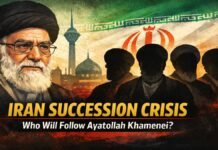
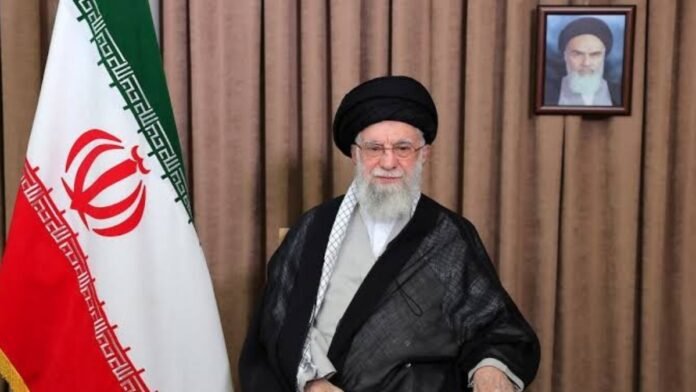
The protests that began in late December 2025 have now escalated into a major crisis in Iran, with the government’s brutal crackdown resulting in one of the deadliest periods since the 1979 revolution. Initially sparked by economic problems such as inflation and the devaluation of the rial, the demonstrations quickly transformed into an anti-government movement, with protesters chanting slogans against Supreme Leader Ayatollah Ali Khamenei.
Khamenei’s Historic Admission
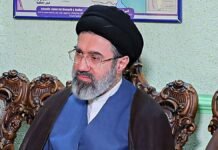
In a significant development, Supreme Leader Khamenei publicly acknowledged for the first time on January 17, 2026, that “several thousand deaths” had occurred during the unrest. He directly blamed US President Donald Trump for the violence, calling him a “criminal” who incited protesters and promised them US military support. Khamenei referred to demonstrators as “foot soldiers” of the United States and claimed the US must be held accountable for the casualties and destruction.
Trump responded swiftly, calling Khamenei a “sick man” who should “properly govern his country and cease the killing of people.” He urged Iranians to continue protesting and “take control” of their nation’s institutions, asserting that “help is on the way”.
Conflicting Death Toll Reports
The scale of the tragedy remains difficult to verify due to the ongoing internet blackout, but multiple sources paint a grim picture. The Human Rights Activists News Agency (HRANA) has confirmed 3,090 deaths, mostly among protesters, with 147 security personnel also killed. However, a new report compiled by doctors inside Iran suggests the death toll has reached at least 16,500 protesters, with over 330,000 people injured.
The majority of victims are young people under age 30, and the majority of injuries sustained are gunshot wounds to the head, neck, and chest, suggesting the deliberate use of military-grade weapons against civilians. Six hospitals in Tehran alone recorded 217 protester deaths on January 8, with medical facilities in crisis mode, lacking sufficient surgeons to treat the wounded.
Brutal Crackdown and Medical Crisis
The crackdown has been systematic and brutal. Security forces have prevented blood transfusions in some cases, leading to additional deaths from blood loss. The internet blackout has crippled the flow of information, isolating Iran from the rest of the world and earning the description “genocide under the cover of digital darkness” from German-Iranian eye surgeon Professor Amir Parasta.
The medical crisis extends beyond fatalities. According to data from major hospitals in Tehran, thousands are suffering from eye injuries, with 700 to 1,000 people having lost their sight completely due to targeted shots to the face.
Schools Reopen Amid Ongoing Violence
Despite the continued violence, Iranian authorities are attempting to restore normalcy. According to local media, schools in Iran are scheduled to reopen on Sunday, January 19, 2026, after a week-long closure due to security concerns. The ISNA news agency reported that schools in several cities, including Tehran, will resume operations, and college exams previously postponed will now be held on January 24.
The reopening comes as security forces claim to have “extinguished” the protests, though localized demonstrations continue in some areas, particularly in the Kurdish regions of northwest Iran, where violence has historically been most intense.
International Isolation and Monitoring
The nationwide protests, which analysts describe as the most serious challenge to the Iranian government since the 1979 revolution, have drawn international condemnation. The UN Independent International Fact-Finding Mission has called on the Iranian government to immediately restore internet access and allow an independent investigation of the casualties.
With over 22,000 arrests reported and the death toll continuing to rise, the crisis shows no signs of resolution. The internet blackout remains the primary obstacle to verifying the full scale of the tragedy, leaving Iranians isolated as the world watches through fragmented reports from human rights organizations and brave medical professionals risking their lives to document the truth.