


























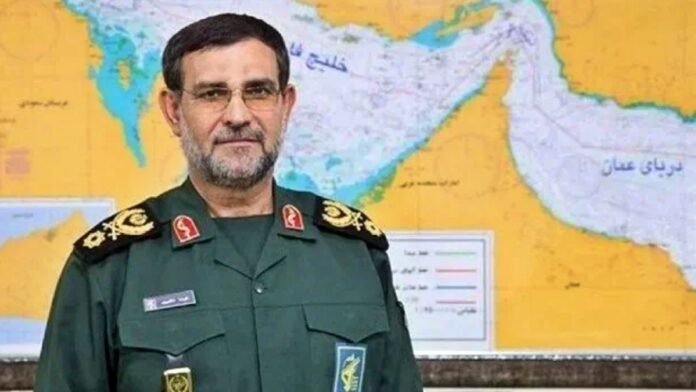
Key Points
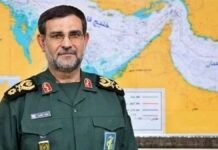
- Official Confirmation: Iran’s state media (IRIB) confirmed on March 30 that Rear Admiral Alireza Tangsiri succumbed to severe injuries.
- The Strike: Tangsiri was targeted by an Israeli airstrike on March 26 in the port city of Bandar Abbas while organizing coastal defenses.
- Leadership Crisis: His death follows the reported assassinations of Supreme Leader Ali Khamenei, Intelligence Minister Esmail Khatib, and other top officials.
- Economic Fallout: Global oil supply fears have pushed the Indian Rupee to a historic low, crossing the ₹95 per USD threshold.
The Islamic Revolutionary Guard Corps (IRGC) has officially confirmed the death of its Naval Commander, Alireza Tangsiri, ending days of speculation following a targeted Israeli operation. Tangsiri, who had led the IRGC Navy since 2018, was a central figure in Iran’s regional defense strategy, specifically the “Strait of Hormuz” doctrine. He was known for his hardline stance against Western naval presence in the Persian Gulf and was instrumental in developing Iran’s fast-attack boat tactics and maritime mining capabilities.
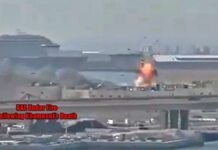
According to official statements, Tangsiri was critically wounded during an Israeli strike in Bandar Abbas on March 26, 2026. While Israel claimed the kill shortly after the operation, Tehran remained silent until today, when state-run media acknowledged he had died from the severity of his wounds.
A Decapitated Command Structure
The death of Tangsiri is not an isolated incident but part of a systematic dismantling of Iran’s top-tier leadership. The conflict, which escalated dramatically in late February, has seen an unprecedented series of successful strikes against the regime’s core:
- Ayatollah Ali Khamenei, the Supreme Leader, was reportedly killed on February 28 during a massive joint US-Israeli operation dubbed “Operation Lion’s Roar,” which targeted his residence and office in Tehran.
- Security & Intelligence: On March 17 and 18, Iran confirmed the deaths of Ali Larijani, a key advisor and potential successor, and Intelligence Minister Esmail Khatib.
- Military Brass: IRGC Commander-in-Chief Mohammad Pakpour and Air Force officer Aziz Nasirzadeh were also eliminated in the opening waves of the campaign.
Israeli Defense Minister Israel Katz has reiterated that the military objective remains the total paralysis of the IRGC’s command and control. This includes the recent elimination of Behnam Rezaei, the head of Naval Intelligence, further blinding Iran’s maritime operations.
Global Economic Shockwaves
The intensity of the conflict and the potential for a total blockade of the Strait of Hormuz have sent tremors through global markets. As a vital artery for the world’s oil supply, the instability has caused crude prices to surge, leading to significant currency volatility.
In India, the impact has been particularly acute. The Indian Rupee plummeted to an all-time intra-day low of ₹95.22 against the US Dollar on March 30. Although the Reserve Bank of India has attempted to intervene by capping net open positions for banks, the “risk-off” sentiment persists. Analysts warn that if the conflict continues to escalate, the “deepening shadow” over the energy sector will lead to sustained inflation and higher logistics costs globally.
Current Stance
Despite the loss of its most senior leaders, Tehran maintains a rigid posture. While President Trump has reportedly utilized Pakistan as a channel to relay proposals for de-escalation, the remaining Iranian leadership has yet to show signs of pivoting toward a ceasefire, vowing instead to continue the “strategy of resistance.”